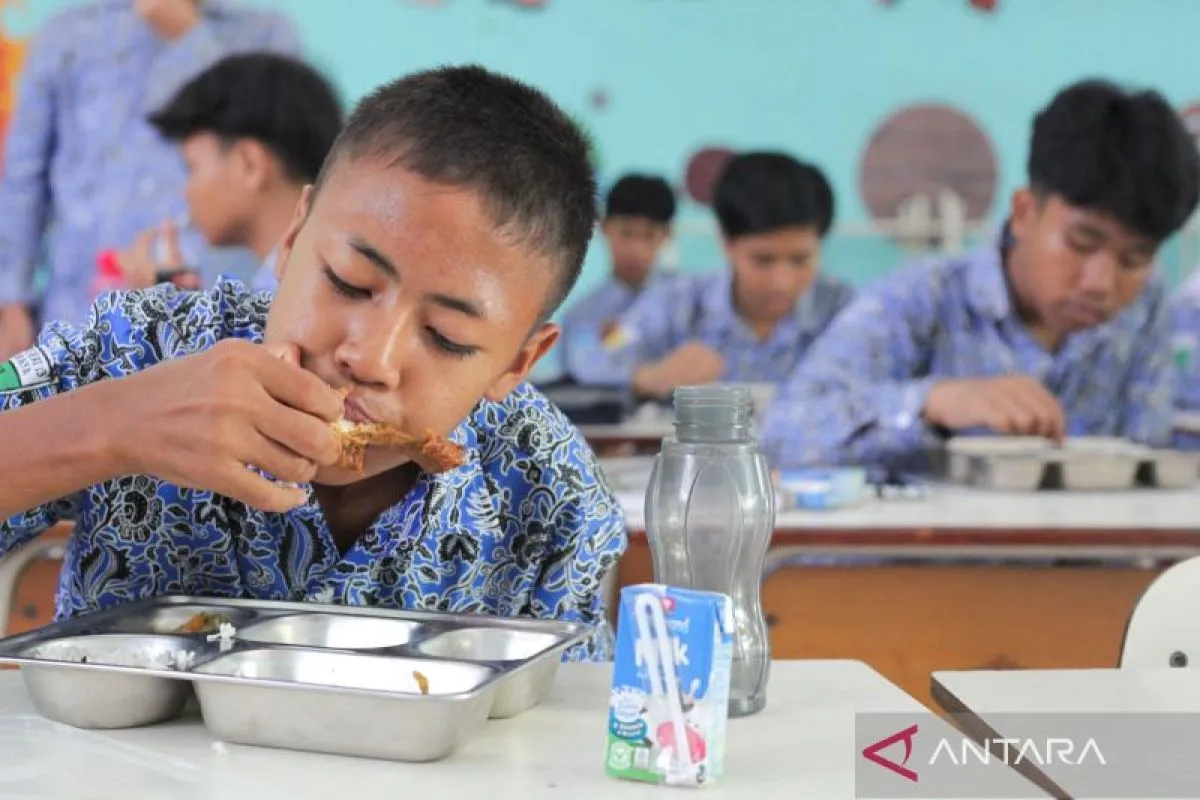
Halal Certification Drive Reinforces Trust in Indonesia’s Free School Meal Initiative
JAKARTA – Indonesia’s religious certification authority is intensifying efforts to ensure halal compliance across the nation’s ambitious Free Nutritious Meals program, responding to public concerns about food safety and religious adherence in school cafeterias nationwide.
Religious Standards Meet Nutritional Goals
The Halal Product Assurance Agency (BPJPH) announced expanded partnerships with multiple government departments to accelerate halal verification processes for the MBG (Makan Bergizi Gratis) program. This coordinated approach aims to address both nutritional objectives and religious dietary requirements for millions of Indonesian students.
“Beyond providing essential nutrition, this program represents a commitment to maintaining public trust through religious compliance,” explained Muhammad Aqil Irham, BPJPH’s Principal Secretary, during a recent Jakarta briefing. “Halal certification ensures families can have confidence that school meals meet both health and faith-based standards.”
Strategic Implementation Framework
The certification drive operates through a collaborative model between BPJPH and the Ministry of National Development Planning, designed to streamline approval processes without compromising thoroughness. This partnership specifically targets the program’s kitchen facilities, officially designated as Nutrition Service Fulfillment Units (SPPG).
According to Bahjuri Ali, Acting Deputy for Human Development and Culture at the planning ministry, program effectiveness extends beyond mere caloric delivery. “Success requires comprehensive food safety protocols alongside strict halal compliance,” Ali emphasized, highlighting the dual responsibility facing program administrators.
Systematic Certification Approach
The National Nutrition Agency (BGN) serves as the primary facilitator in this certification process, coordinating between local kitchen operations and religious authorities. This structure enables systematic evaluation of preparation methods, ingredient sourcing, and handling procedures across hundreds of school meal facilities.
A comprehensive five-year roadmap through 2029 outlines priority regions for certification, establishes training protocols for halal supervisors, and reinforces the authority of regional Halal Inspection Institutions (LPH). This strategic timeline reflects the program’s scale, which serves educational institutions across Indonesia’s diverse archipelago.
Broader Policy Context
The MBG initiative forms a cornerstone of Indonesia’s Asta Cita development framework, specifically supporting human resource advancement through improved childhood nutrition. This policy connection underscores government recognition that educational outcomes depend significantly on adequate nutritional support during critical developmental years.
Recent coordination meetings have addressed implementation challenges while maintaining quality standards. Officials emphasized that certification processes must balance efficiency with thoroughness to avoid program delays while ensuring complete compliance.
The halal certification emphasis reflects Indonesia’s position as the world’s largest Muslim-majority nation, where religious dietary laws significantly influence food policy decisions. By proactively addressing these requirements, program administrators aim to prevent controversies that could undermine public support for the nutrition initiative.
This comprehensive approach demonstrates how large-scale social programs can successfully integrate religious considerations with public health objectives, potentially serving as a model for similar initiatives across Muslim-majority regions globally.
Original Article:
Antara. (2025, August 29). IPNU dorong penggunaan produk lokal dan halal untuk food tray MBG. Retrieved from https://en.antaranews.com/amp/news/375789/indonesias-bpjph-backs-halal-standards-in-free-meals-program