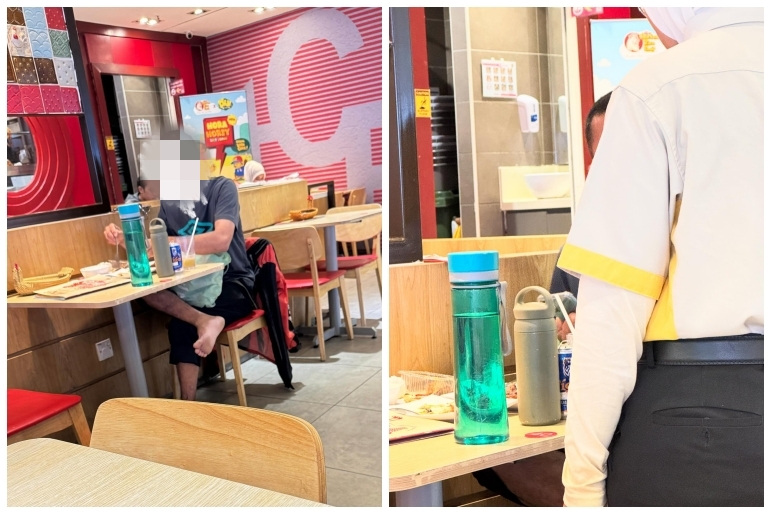
Alcohol Consumption at Certified Halal Eatery Sparks Public Outcry
JAKARTA – A controversial incident at a halal-certified dining establishment in Kajang has ignited widespread public debate about respect for religious dietary standards and appropriate customer behavior. The episode, which involved a patron openly consuming alcoholic beverages despite the restaurant’s halal certification, has drawn significant criticism from online communities and highlighted tensions surrounding cultural sensitivity in Malaysia’s diverse dining landscape.
The Incident Unfolds
The confrontation began when a customer arrived at the chicken rice restaurant carrying an alcoholic beverage, according to social media reports that quickly gained traction across various platforms. Witnesses described how the individual not only brought the prohibited item into the halal-certified establishment but proceeded to request serving equipment from the staff.
The patron’s actions escalated when he allegedly asked restaurant employees to provide a glass for his beverage, demonstrating what many observers characterized as a deliberate disregard for the establishment’s religious certification standards. The open consumption of alcohol in a space specifically designated as halal-compliant represents a direct violation of Islamic dietary principles that govern such certified establishments.
Restaurant staff initially attempted to address the situation through diplomatic means, approaching the customer with polite requests to respect the establishment’s halal status. However, their courteous intervention was reportedly met with hostility and verbal confrontation from the defiant patron.
Escalation and Security Response
When initial diplomatic efforts failed to resolve the situation, restaurant management escalated their response by involving security personnel. The security team’s intervention represented standard protocol for establishments facing customers who refuse to comply with fundamental operational policies.
Despite professional security involvement, the individual reportedly remained uncooperative and dismissive of requests to cease his inappropriate behavior. According to witness accounts, the customer justified his actions by invoking “1Malaysia” concepts, apparently attempting to use national unity slogans to deflect criticism of his disrespectful conduct.
The standoff continued until restaurant staff took direct action by physically removing the glass container, effectively ending the customer’s ability to continue consuming alcohol on the premises. This decisive intervention finally resolved the immediate conflict but left staff members visibly frustrated by the ordeal.
Social Media Response and Public Reaction
The incident gained significant attention after being documented and shared on Threads, where it rapidly circulated among users who expressed strong disapproval of the customer’s behavior. The social media response reflected broader community sentiments about respect for religious practices and appropriate conduct in certified establishments.
Online commentators overwhelmingly criticized the individual’s actions, emphasizing that customers should demonstrate basic awareness of establishment policies before choosing where to dine. Many respondents noted that Malaysia’s diverse dining scene offers numerous non-halal alternatives for patrons seeking to consume alcohol with their meals.
The digital discourse surrounding the incident highlighted community expectations for mutual respect and cultural sensitivity in public spaces. Social media users emphasized that understanding and respecting religious dietary requirements represents basic courtesy rather than unreasonable restriction.
Understanding Halal Certification Standards
Halal certification represents a comprehensive system ensuring food preparation and service comply with Islamic dietary laws. These standards extend beyond ingredient selection to encompass all aspects of food handling, preparation, and service environments.
Certified halal establishments must maintain strict separation from prohibited substances, including alcohol, pork products, and other items deemed non-permissible under Islamic law. The certification process involves rigorous inspection and ongoing monitoring to ensure continuous compliance with religious requirements.
The presence of alcohol in any form within a halal-certified establishment compromises the entire facility’s religious standing and potentially affects its certification status. This reality underscores why restaurant staff felt compelled to take definitive action to protect their establishment’s religious credentials.
Cultural Sensitivity and Dining Etiquette
Malaysia’s multicultural society supports diverse dining options catering to various religious and cultural preferences. This diversity creates an environment where establishments can specialize in serving specific communities while remaining accessible to all patrons who respect their operational standards.
The incident highlights the importance of customer awareness regarding establishment policies and religious requirements. Patrons choosing to dine at certified facilities implicitly accept responsibility for respecting the religious standards that govern those spaces.
Cultural sensitivity in dining contexts requires understanding that religious dietary laws represent fundamental principles rather than optional preferences. Respecting these standards demonstrates basic courtesy toward communities whose religious practices shape their daily lives.
Business Impact and Reputation Management
For the affected restaurant, the incident represents a challenging situation requiring careful management to protect both their halal certification and customer relationships. The public nature of the confrontation and subsequent social media attention creates reputational risks that extend beyond the immediate incident.
Halal-certified establishments invest significant resources in maintaining their religious credentials, including staff training, supply chain management, and compliance monitoring. Customer actions that compromise these standards can potentially affect certification status and community trust.
The restaurant’s handling of the situation, including staff diplomacy and decisive final action, demonstrates appropriate response protocols for similar challenges. Their measured approach likely helped minimize long-term reputational damage while protecting their certification integrity.
Legal and Regulatory Considerations
Malaysia’s halal certification system operates under specific regulatory frameworks that establish clear standards for certified establishments. These regulations provide legal backing for establishments to enforce policies necessary for maintaining their certification status.
Customers who persist in violating establishment policies may face legal consequences beyond simple ejection from the premises. Disrupting business operations and creating public disturbances can result in formal complaints and potential legal action.
The incident illustrates how individual actions can create broader implications for business compliance and regulatory standing. Restaurant operators must balance customer service with regulatory requirements, sometimes necessitating firm action to protect their legal and religious obligations.
Broader Social Implications
The controversy reflects broader tensions in multicultural societies where diverse communities must navigate shared public spaces while respecting different cultural and religious practices. These situations test community commitment to mutual respect and accommodation.
Public reaction to the incident suggests strong community support for respecting religious dietary standards and appropriate behavior in certified establishments. This response indicates widespread understanding of the importance of religious accommodation in commercial contexts.
The incident may serve as a teaching moment for broader discussions about cultural sensitivity, customer responsibility, and the importance of respecting religious practices in public spaces. Such conversations can contribute to improved understanding and cooperation across Malaysia’s diverse communities.
Moving Forward: Lessons and Recommendations
The Kajang restaurant incident offers several important lessons for both businesses and customers navigating Malaysia’s diverse dining landscape. For establishments, the episode demonstrates the importance of clear policy communication and staff training for handling challenging situations.
Customers can learn from this incident about the importance of understanding establishment policies before dining and respecting the religious standards that govern certified facilities. Choosing appropriate venues for specific dining preferences prevents conflicts and demonstrates cultural sensitivity.
The broader community response suggests strong support for businesses maintaining their religious standards and clear expectations for customer behavior in certified establishments. This community backing provides important support for businesses committed to serving specific religious communities while remaining welcoming to all respectful patrons.
Conclusion
The alcohol consumption incident at the Kajang halal restaurant serves as a reminder of the ongoing importance of cultural sensitivity and mutual respect in Malaysia’s diverse society. While the immediate confrontation was resolved through decisive action by restaurant staff, the broader implications extend to questions of customer responsibility, business rights, and community expectations for appropriate behavior in religious contexts.
As Malaysia continues to navigate its multicultural identity, incidents like this highlight both
Original Article:
Daily Express. (2025, September 10). Beer trouble brews in halal-certified restaurant. Retrieved from https://www.dailyexpress.com.my/news/266280/beer-trouble-brews-in-halal-certified-restaurant/