Vietnam Eyes $3 Trillion Halal Market as US Export Challenges Mount
JAKARTA – As Vietnamese exporters encounter mounting difficulties in the United States market, attention is shifting toward the global halal sector—a massive market representing approximately $3 trillion in annual consumption. This strategic reorientation was highlighted at a trade promotion conference organized by Vietnam’s Ministry of Industry and Trade, focusing on expanding access to halal product markets worldwide.
The conference, titled “Trade Promotion to Enhance Exploitation of the Global Halal Product Market,” brought together trade representatives from Vietnamese overseas offices to discuss strategies for tapping into this underutilized opportunity.
Vietnam’s Untapped Potential
Ramlan Bin Osman, Director of the National Halal Certification Center at the Ministry of Science and Technology, emphasized Vietnam’s considerable natural advantages for halal industry participation. The country possesses abundant raw materials suitable for halal production, including coffee, rice, seafood, aquaculture products, spices, nuts, vegetables, and fruits.
Vietnam’s position as a leading international tourism destination also presents opportunities for expanding halal-compliant hospitality services, including restaurants and accommodation facilities catering to Muslim travelers.
“Vietnam has significant opportunities to participate in the global halal food market valued at $3 trillion, yet this remains largely unfulfilled, with less than 10% of demand currently being met,” Osman stated, highlighting the considerable room for growth.
The timing appears particularly opportune given the challenges Vietnamese exporters face in traditional markets, making halal sector development a potentially viable alternative to diversify export destinations and reduce dependence on any single market.
Malaysia: A Gateway Market with Barriers
Le Phu Cuong, head of Vietnam’s Trade Office in Malaysia, identified Malaysia as one of the most promising markets for Vietnamese goods, noting that Muslims comprise over 60% of the country’s population. This demographic reality makes Malaysia both a substantial market in itself and a strategic entry point for broader regional halal market access.
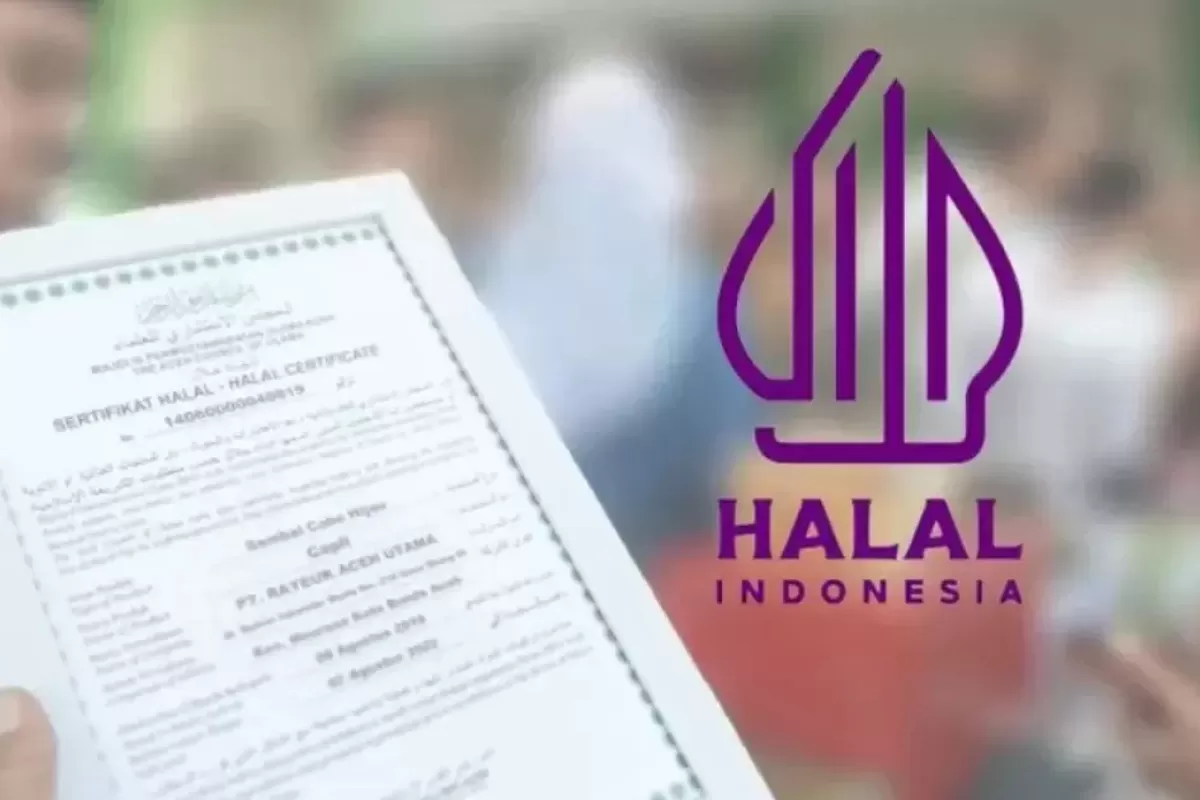
However, Vietnamese products encounter significant obstacles in penetrating this market. The primary barrier remains halal certification, which has become a fundamental requirement rather than an optional attribute for products entering Malaysia.
“Halal certification stands as the top priority criterion for the majority of importers, distributors, and retailers in the host country,” Cuong explained. “The absence of halal certification makes it extremely difficult for many Vietnamese products to secure shelf space in Malaysia’s retail systems.”
This certification gap creates a concrete disadvantage for Vietnamese exporters attempting to establish market presence in Malaysia and similar Muslim-majority countries.
Challenges Facing Vietnamese Enterprises
Vietnamese companies, particularly small and medium-sized enterprises (SMEs), face multiple challenges in obtaining halal certification. The stringent standards and associated costs often prove prohibitive for smaller businesses with limited resources and expertise in navigating certification processes.
This results in a relatively small number of Vietnamese products carrying halal certification, significantly limiting market access opportunities. The certification process requires not only meeting specific production standards but also understanding the religious and cultural requirements underlying halal principles.
Additionally, Vietnamese exporters must contend with intense competition from countries that have already established strong positions in Muslim-majority markets. Competitors from China, Thailand, Indonesia, and other nations benefit from free trade agreements with Malaysia, providing them with tariff advantages.
These competing countries also offer several strategic advantages: diverse product ranges, varied designs appealing to local tastes, extensive distribution networks, and deep understanding of Muslim consumer preferences and purchasing behaviors. This combination makes market entry particularly challenging for Vietnamese newcomers.
Support Initiatives and Strategic Recommendations
Vietnam’s Trade Office in Malaysia has been working to facilitate connections between Vietnamese businesses and major importers, attempting to create pathways into the market despite existing barriers. These matchmaking efforts aim to help Vietnamese companies understand market requirements and establish commercial relationships.
Trade office representatives have advised businesses to adopt comprehensive long-term strategies rather than pursuing short-term gains. Key recommendations include:
Market Research Investment: Companies need to conduct serious, in-depth research into target markets, understanding not just consumer preferences but also cultural nuances, religious requirements, and competitive dynamics.
Product Adaptation: Successful market entry requires adapting products to align with local cultural norms and preferences, rather than simply exporting products designed for other markets without modification.
Brand Building: Establishing strong brand recognition through professional trade promotion channels is essential for long-term success, as brand strength can help overcome the disadvantage of being a new market entrant.
Certification Priority: Obtaining proper halal certification must be viewed as a necessary investment rather than an optional expense, as it fundamentally determines market access.
Economic Context and Strategic Importance
The push toward halal markets comes at a critical time for Vietnamese exporters. Global trade tensions, changing tariff structures, and market access restrictions in traditional destinations like the United States have created urgency around export diversification.
The halal market offers several strategic advantages: it is growing rapidly as Muslim populations expand globally, it is geographically diverse (spanning the Middle East, Southeast Asia, South Asia, Africa, and significant communities in Western countries), and it remains substantially under-served by current suppliers relative to demand.
For Vietnam, successfully entering halal markets could provide: risk diversification away from concentrated export dependencies, access to premium pricing in markets valuing quality halal products, opportunities for value-added processing of Vietnam’s agricultural and seafood resources, and potential for tourism sector growth through halal-compliant hospitality services.
Implementation Challenges
Despite the attractive opportunities, several systemic challenges must be addressed for Vietnam to successfully capture meaningful halal market share:
Certification Infrastructure: Vietnam needs to expand its domestic halal certification capabilities, ensuring certifications are recognized by major Muslim-majority countries and making the process more accessible and affordable for SMEs.
Knowledge Gaps: Many Vietnamese businesses lack understanding of halal requirements, Muslim consumer preferences, and the cultural contexts of target markets. Educational programs and capacity building initiatives will be essential.
Supply Chain Compliance: Halal certification requires not just product compliance but entire supply chain integrity, from raw materials through processing, storage, and transportation. This represents a significant operational adjustment for many companies.
Cost Considerations: Initial investments in certification, facility modifications, training, and market entry can be substantial, potentially requiring government support programs or financing mechanisms to enable SME participation.
Future Outlook
The Vietnamese government’s focus on halal market development through trade promotion conferences and overseas trade office initiatives signals recognition of this sector’s strategic importance. However, translating potential into actual market penetration will require sustained effort across multiple dimensions.
Success will depend on coordination between government certification bodies, trade promotion agencies, business associations, and individual companies. Those Vietnamese enterprises that invest in proper halal certification, develop market knowledge, and build strong brands in Muslim-majority countries could find themselves well-positioned in a market segment offering both scale and growth potential.
As traditional export markets become more challenging to navigate, the $3 trillion halal market represents not just an alternative but potentially a superior long-term strategic direction for Vietnamese exporters seeking sustainable international growth.
Original Article:
Vietnam VN. (2025, October 8). Ekspektasi pasar halal seiring kesulitan ekspor ke AS. Retrieved from https://www.vietnam.vn/id/ky-vong-thi-truong-halal-khi-xuat-khau-sang-my-kho-khan