Global Halal Food Market Surges to $5.9 Trillion by 2033, Driven by Muslim Population Growth, Tech Innovation
Market doubles within decade
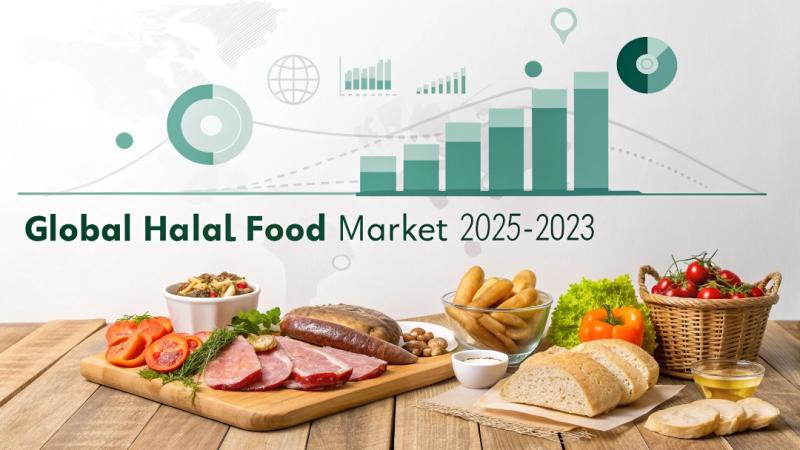
According to the latest report by IMARC Group, titled “Halal Food Market Report by Product (Meat, Poultry and Seafood, Fruits and Vegetables, Dairy Products, Cereals and Grains, Oil, Fats and Waxes, Confectionery, and Others), Distribution Channel (Traditional Retailers, Supermarkets and Hypermarkets, Online, and Others), and Region 2025-2033”, the global halal food market size reached USD 2,714.4 billion in 2024. Looking forward, IMARC Group expects the market to reach USD 5,912.0 billion by 2033, exhibiting a growth rate (CAGR) of 8.92% during 2025-2033.
Muslim population growth drives demand
Fundamental to the rapid growth of the halal food market is the growth of the Muslim community across the globe. Currently, there are more than 1.9 billion Muslims around the world and, because of this, there is continual growth in the consumption of halal certified food products. In addition, the increasing awareness among the non-Muslim population of the so-called halal lifestyle in terms of ethics, health, and animal husbandry is supporting the growth of the market. Together, this expanding base of consumers and the increasing acceptance of halal practices around the world presents an enormous business opportunity for the companies willing to serve a new and growing market.
Globalization enables product diversity
There are a lot of factors that contribute to the increasing popularity of halal food, but perhaps the most important one is globalization. The increasing integration of global economies has enabled traders to move halal food products from one region to another. In addition, changes in the eating habits of the population such as the increased consumption of convenience foods, nutritious and ready to eat meals are supporting growth of the halal food industry. In response, manufacturers are introducing a plethora of new halal food products, from ready to eat meals to organic, gluten free and low fat products.
Blockchain transforms traceability
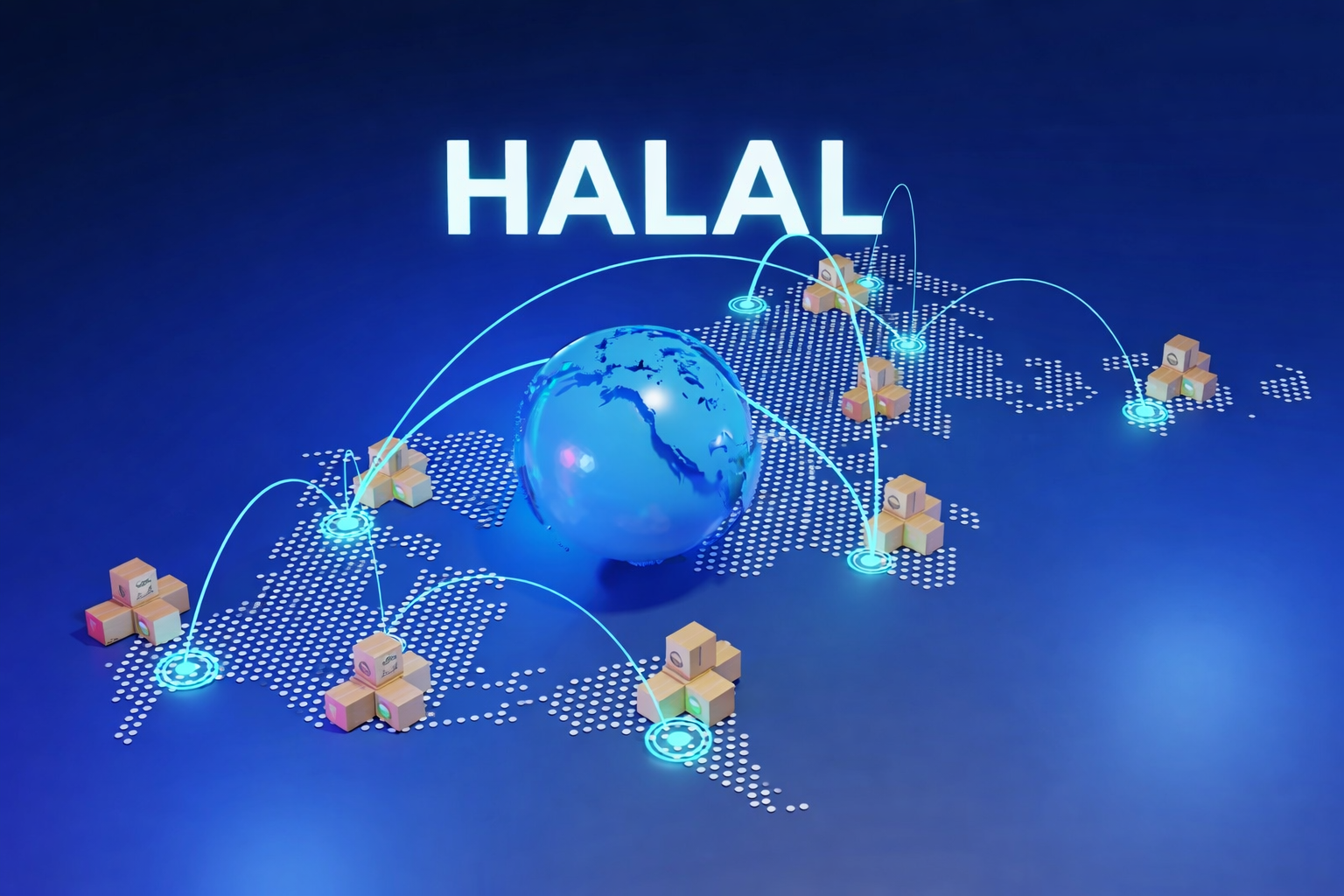
The growing adoption of blockchain technology has profoundly changed the halal food industry because it simplified the tracking of the original source and guarantee of halal food products. These innovations shift the focus towards e-commerce, where online platforms have also facilitated the procurement of halal foods globally and made it easy for consumers to shop from anywhere. Furthermore, diverse halal food varieties are available at online stores allowing people to compare prices, get reviews on products, and make well-educated decisions.
Major players dominate landscape
The halal food market research report outlines a detailed analysis of the competitive landscape, offering in-depth profiles of major companies. Some of the key players in the market include Al Islami Foods Co., QL Foods Sdn Bhd, Saffron Road, DagangHalal Group, Janan Meat Ltd, Kawan Foods Berhad, Cargill, Inc., Prima Agri-Products Sdn Bhd, Nestle S.A., BRF S.A., Tahira Foods Ltd.
Transparency demands reshape chains
There are several important trends shaping the future of the global halal food market. One of them is the increasing demand from consumers for more clear and verifiable processes within halal food supply chains, which includes food production and processing. These growing demands in the market caused the introduction of novel methods of tracing the supply chain of food items, including advanced methods such as blockchain technology which provides detailed information regarding the supply chain lifecycle of food from farm to table.
Diverse segments offer opportunities
Breakup by Product: Meat, Poultry and Seafood; Fruits and Vegetables; Dairy Products; Cereals and Grains; Oil, Fats and Waxes; Confectionery; Others
Breakup by Distribution Channel: Traditional Retailers; Supermarkets and Hypermarkets; Online; Others
Regional Insights: North America (United States, Canada); Asia Pacific (China, Japan, India, Australia, Indonesia, Korea, Others); Europe (Germany, France, United Kingdom, Italy, Spain, Others); Latin America (Brazil, Mexico, Others); Middle East and Africa (United Arab Emirates, Saudi Arabia, Qatar, Iraq, Other)
Beyond religious boundaries
The report’s emphasis on non-Muslim consumers adopting halal products for “ethics, health, and animal husbandry” reasons reflects strategic market repositioning where halal certification transcends religious identity to appeal to secular consumers prioritizing food safety, animal welfare, or simply perceiving halal as a premium quality marker. Such crossover demand explains how halal food markets can grow at 8.92% CAGR while Muslim population growth rates average closer to 3% annually—the differential stems from increased per-capita consumption plus non-Muslim adoption.
The blockchain technology emphasis addresses persistent trust deficits plaguing halal certification, where scandals involving fraudulent labeling, contamination, or inconsistent standards have periodically undermined consumer confidence. Immutable digital records tracking entire supply chains from slaughter through retail theoretically prevent the manipulation that paper-based certification systems enabled, though implementation costs may exclude smaller producers lacking technical infrastructure or capital for such systems.
The inclusion of multinational giants like Nestlé, Cargill, and BRF among top competitors signals halal’s mainstreaming—these companies possess resources to navigate complex certification requirements across multiple jurisdictions while leveraging existing distribution networks to reach Muslim consumers globally. Their participation also raises questions about whether halal production represents genuine religious accommodation or primarily commercial opportunism, particularly when these companies simultaneously produce non-halal products creating potential cross-contamination concerns that stricter interpretations of halal might reject.
Original Article:
IMARC Group. (2025, October 21). Global halal food market size projected to reach USD 5,911.95 billion by 2033. Retrieved from https://www.openpr.com/news/4232619/global-halal-food-market-size-projected-to-reach-usd-5-911-95