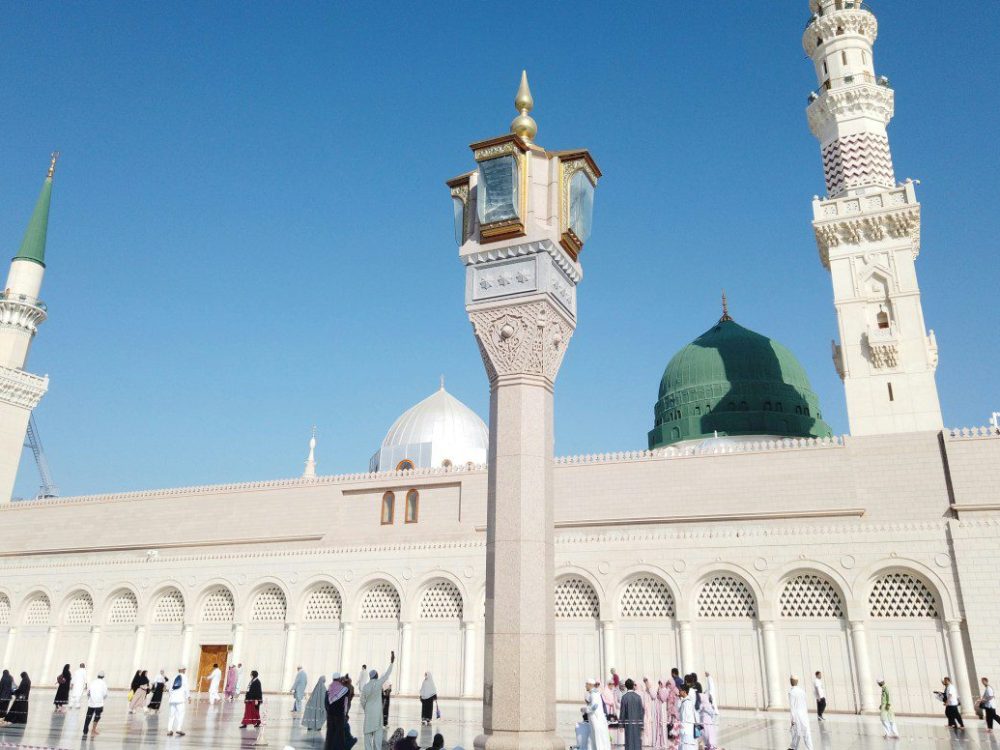
Saudi Arabia Permits Foreign Investment in Mecca and Medina Real Estate Through Listed Companies
JAKARTA – Saudi Arabia has introduced a measured approach to attracting foreign capital into its holiest cities, implementing changes that balance economic objectives with religious sensitivities. Beginning this week, international investors gained access to real estate assets in Mecca and Medina through an indirect investment mechanism that preserves the spiritual sanctity of Islam’s most revered locations.
The New Investment Framework
According to regulations issued by the Capital Market Authority (CMA), non-Saudi investors may now purchase shares and convertible debt instruments of publicly listed companies that own real estate assets in Mecca and Medina. This applies whether the properties are held directly by these companies or through their subsidiaries.
Importantly, the reform maintains existing religious and legal restrictions. Non-Muslims remain prohibited from directly owning property in the two holy cities, preserving their unique spiritual status. The policy creates indirect exposure, allowing global investors to participate in the economic potential of these locations without challenging religious sensitivities or traditional ownership norms.
The Economic Rationale
For international capital markets, the appeal of this investment opportunity is substantial. Mecca and Medina represent among the most resilient real estate markets in the Muslim world, supported by structurally robust demand from Hajj and Umrah pilgrims. Millions of annual visitors generate consistent revenues for hotels, serviced apartments, retail developments, transportation services, and logistics operations.
Unlike cyclical commercial property markets elsewhere, pilgrimage-driven demand offers exceptional visibility and stability—characteristics highly valued by long-term institutional investors seeking predictable returns in emerging markets.
Fiscal Context and Vision 2030
The timing of this decision reflects Saudi Arabia’s broader economic challenges and strategic priorities. Despite years of economic reform under Vision 2030, the Kingdom remains heavily dependent on oil revenues to finance its transformation initiatives. According to International Monetary Fund assessments, Saudi Arabia requires oil prices around $96 per barrel to balance its budget—approximately $20 above current market levels.
This fiscal pressure has intensified Riyadh’s efforts to diversify non-oil revenue sources and attract alternative forms of capital. The real estate sector, particularly in high-demand locations like the holy cities, represents a strategic asset class for achieving these objectives.
Shifting Investment Strategy
Saudi Arabia has quietly recalibrated its global investment approach in recent years. Rather than pursuing aggressive overseas acquisitions, the Kingdom increasingly prioritizes domestic development and capital retention. This strategic shift is evident in sovereign wealth fund activity patterns.
In 2024, Abu Dhabi’s Mubadala overtook Saudi Arabia’s Public Investment Fund as the world’s most active state investor. Data from Global SWF indicates PIF spending declined 37 percent year-over-year to $19.9 billion, down from $31.6 billion in 2023. This adjustment reflects tighter capital discipline and sharper focus on domestic priorities.
Strong Debt Market Reception
Despite uneven foreign direct investment into flagship projects, Saudi Arabia has encountered robust appetite in global debt markets. Recent bond issuance demonstrates strong international confidence in the Kingdom’s creditworthiness. Investor demand for a $12 billion Saudi bond offering exceeded $30 billion, according to Bloomberg data.
In 2024 alone, Saudi Arabia issued $17 billion in international bonds, ranking second among emerging markets behind only Romania. This strong debt market performance provides the Kingdom with alternative funding channels while it works to diversify its economic base.
The Pilgrimage Economy’s Potential
The economic significance of Hajj and Umrah extends far beyond religious observance. The pilgrimage sector generates substantial economic activity across multiple industries including hospitality, retail, food services, transportation, and real estate. Saudi Arabia has been working to expand its capacity to accommodate pilgrims while enhancing service quality and infrastructure.
Recent investments in transportation networks, hotel developments, and urban infrastructure around the two holy cities have created a modern pilgrimage ecosystem capable of supporting millions of visitors annually. As global Muslim populations grow and travel becomes more accessible, demand for pilgrimage-related services is expected to increase correspondingly.
Balancing Reform and Tradition
The new investment framework exemplifies Saudi Arabia’s broader economic strategy: selective liberalization without structural disruption to cultural and religious foundations. By allowing indirect participation while preserving religious and legal boundaries, the Kingdom tests how effectively it can mobilize global capital to support growth objectives without compromising the spiritual integrity of its most sacred sites.
This calibrated approach differs from more wholesale liberalization seen in other sectors of the Saudi economy. The Kingdom recognizes that Mecca and Medina hold unique significance that requires special consideration in any economic policy affecting these cities.
Market Implications
For international investors, this policy creates access to a previously restricted market segment with distinctive characteristics. The combination of steady demand fundamentals, government infrastructure investment, and growing pilgrimage numbers creates an attractive investment profile.
However, investors must navigate the indirect nature of ownership and understand the regulatory framework governing these investments. The structure requires confidence in Saudi corporate governance, transparency standards, and the legal protections afforded to minority shareholders in publicly listed companies.
Looking Ahead
This policy adjustment represents one component of Saudi Arabia’s multifaceted economic transformation strategy. As the Kingdom works to reduce oil dependency and diversify its economy, strategic sectors like real estate in high-demand locations become increasingly important.
The success of this initiative will depend on several factors including the performance of listed real estate companies, transparency in corporate governance, regulatory stability, and continued growth in pilgrimage numbers. International investor response in the coming months will provide early indicators of market confidence in this new investment channel.
By opening this carefully structured pathway for foreign investment, Saudi Arabia demonstrates its willingness to innovate economically while maintaining the religious and cultural parameters that define its identity. This balance between economic pragmatism and spiritual preservation will likely characterize Saudi development strategies as the Kingdom navigates its ambitious transformation agenda.
Original Article:
Halal Times. (2026, January 3). Saudi Arabia Opens Mecca & Medina Real Estate to Foreign Investors. Retrieved from https://www.halaltimes.com/saudi-arabia-opens-mecca-medina-real-estate-to-foreign-investors/