Halal Milestone Opens Global Doors for Yumart’s Sushi Nori Production in China
| By EIN Newswire
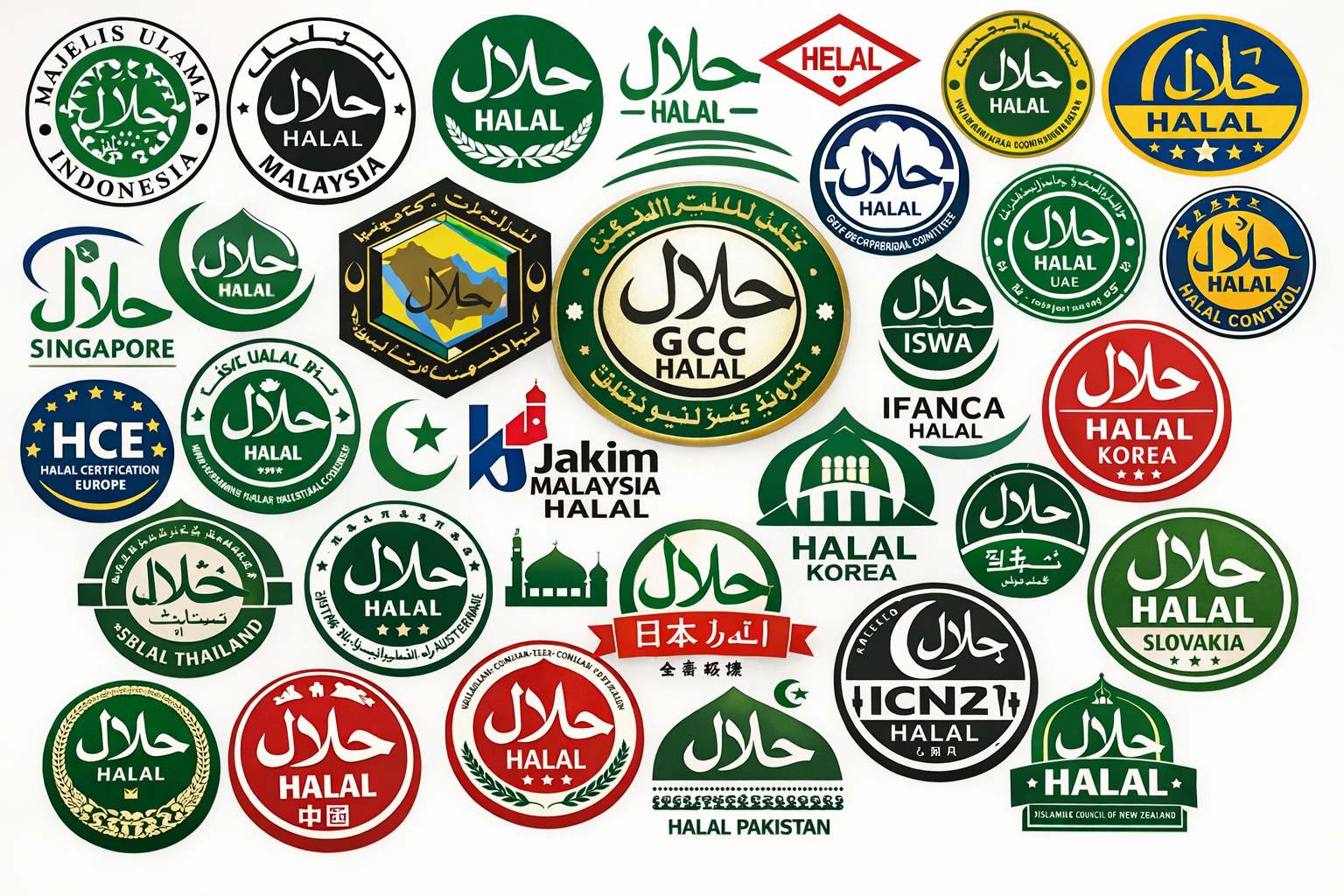
Beijing Shipuller Co., Ltd., producer of traditional Asian food products under the Yumart brand, has announced that its sushi nori manufacturing facility in China has officially obtained halal certification. The achievement confirms that the factory complies with international food safety requirements as well as Islamic dietary principles, strengthening its eligibility to serve Muslim-majority and halal-conscious markets worldwide.
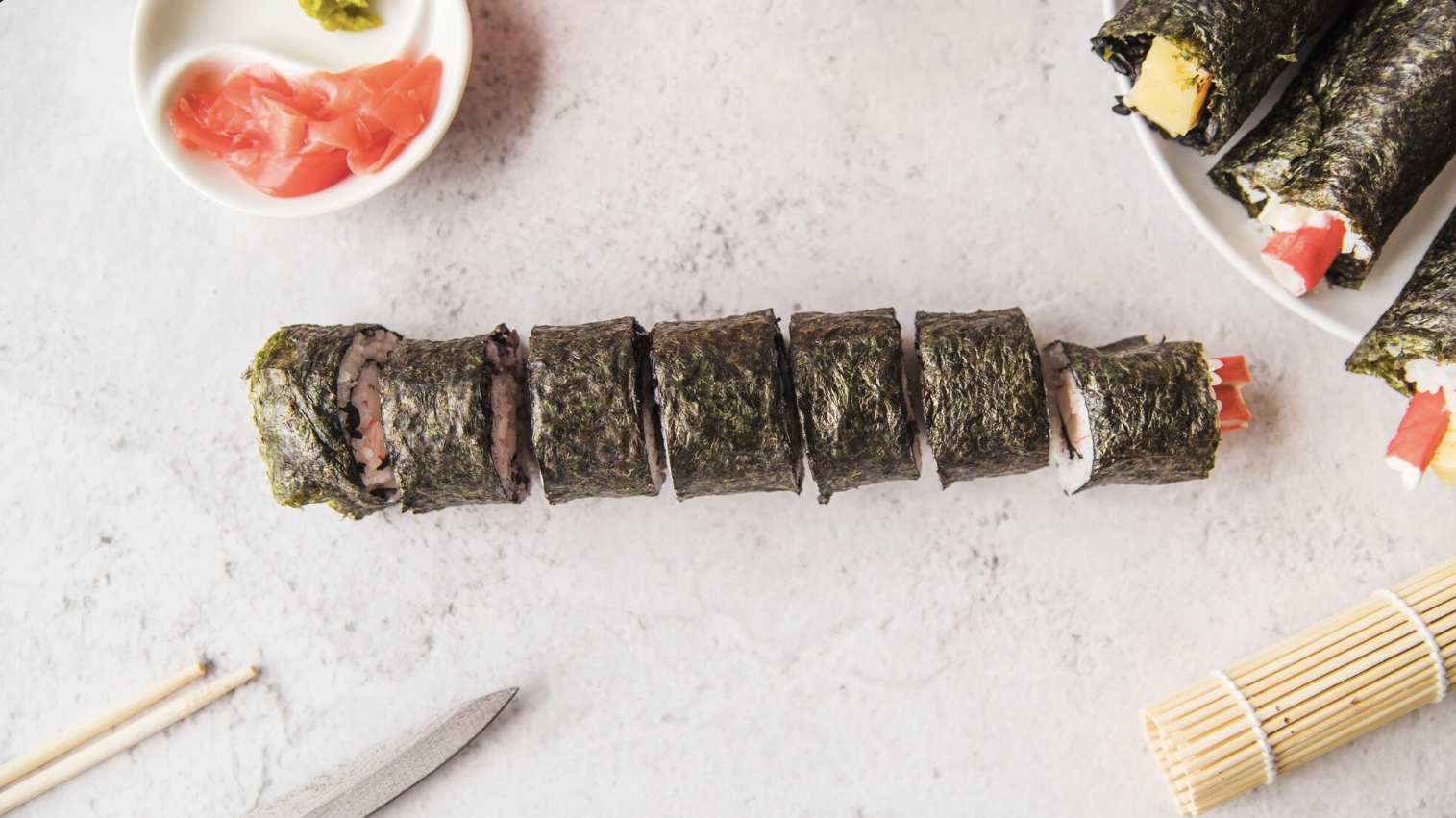
Sushi nori, made from selected red algae (Porphyra), is widely valued for its nutritional profile, natural umami taste, and versatility. Beyond its role in sushi preparation, the dried seaweed has gained traction in the global health-snack segment due to its mineral content, vitamins, and antioxidants. With halal certification in place, Yumart’s roasted seaweed products can now be distributed more widely across Southeast Asia, the Middle East, and Western markets with established halal demand.
Seaweed Consumption Rises with Plant-Based Food Trends
The global seaweed industry is expanding in response to growing interest in plant-based diets and sustainable nutrition. As consumers seek alternatives to highly processed snacks, seaweed is increasingly positioned as a natural “superfood” rich in iodine, fiber, and essential micronutrients, without the high calorie load of conventional grain-based products.
From a sustainability perspective, seaweed cultivation is seen as environmentally efficient. It requires no freshwater irrigation, arable land, or chemical fertilizers, while also absorbing carbon dioxide and excess nutrients from marine environments. These characteristics align the industry with Environmental, Social, and Governance (ESG) priorities that are shaping modern food production and investment decisions.
From Traditional Sushi to Functional Food Innovation
Seaweed is no longer limited to its traditional culinary role. Manufacturers are now using it as a salt alternative, a stabilizer in gluten-free products, and a base for high-protein vegan snacks. This diversification has increased demand for standardized, high-quality nori with consistent texture, thickness, and crispness—capabilities that large-scale, professionally managed factories like Yumart’s are designed to deliver.
Halal Certification as a Quality Benchmark
The halal certification process for Yumart’s China Sushi Nori Factory involved a comprehensive audit of sourcing, processing, sanitation, and packaging systems. Certification bodies reviewed raw material origins, roasting additives, equipment cleaning agents, and overall traceability to ensure that prohibited substances are fully excluded from the production environment.
Beyond religious compliance, halal certification is widely associated with high standards of hygiene and quality control. Because it requires strict sanitation procedures and transparency throughout the supply chain, halal status also appeals to non-Muslim consumers and international retailers seeking robust food safety assurances.
Expanding Access to Global Halal Markets
Halal certification plays a strategic role in facilitating international trade. As halal food consumption continues to rise in markets such as Indonesia, Malaysia, and the Gulf states, certified products face fewer regulatory barriers and gain faster acceptance among importers and distributors. For Yumart, certification enhances credibility, simplifies export procedures, and positions the company to serve large-scale buyers focused on compliance and risk management.
Integrated Production Strength, Broad Product Portfolio
Established in 2004, Yumart has built its competitiveness around integrated supply chain management and advanced processing technology. The company coordinates production through a network of joint and invested factories, enabling consistent quality across high-volume orders. Modern roasting systems are used to preserve nutritional value while meeting professional culinary requirements.
In addition to sushi nori, Yumart supplies a wide range of Japanese cuisine essentials, including panko breadcrumbs, wasabi, sushi ginger, soy sauce, and noodles such as udon, soba, and ramen. This “one-stop” sourcing model allows food service operators, retailers, and distributors to streamline procurement while maintaining flavor consistency.
Serving a Global Client Base
Yumart currently supplies customers in more than 100 countries and regions, including supermarket chains, food distributors, restaurant groups, airline caterers, and institutional food services. The addition of halal certification further broadens its market reach, enabling deeper penetration into halal-sensitive sectors without compromising product standardization.
Looking Ahead
The halal certification of Yumart’s sushi nori factory marks a significant step in the company’s global strategy. By aligning its operations with international dietary, safety, and sustainability standards, Yumart reinforces its position as a reliable supplier of premium Asian food ingredients. As demand for healthy, sustainable, and halal-compliant products continues to grow, the company is well placed to support evolving global consumption patterns.
Source:
The News-Journal. (2025). Global compliance confirmed: Yumarts China sushi nori factory achieves halal certification. https://www.news-journalonline.com/press-release/story/17316/global-compliance-confirmed-yumarts-china-sushi-nori-factory-achieves-halal-certification/