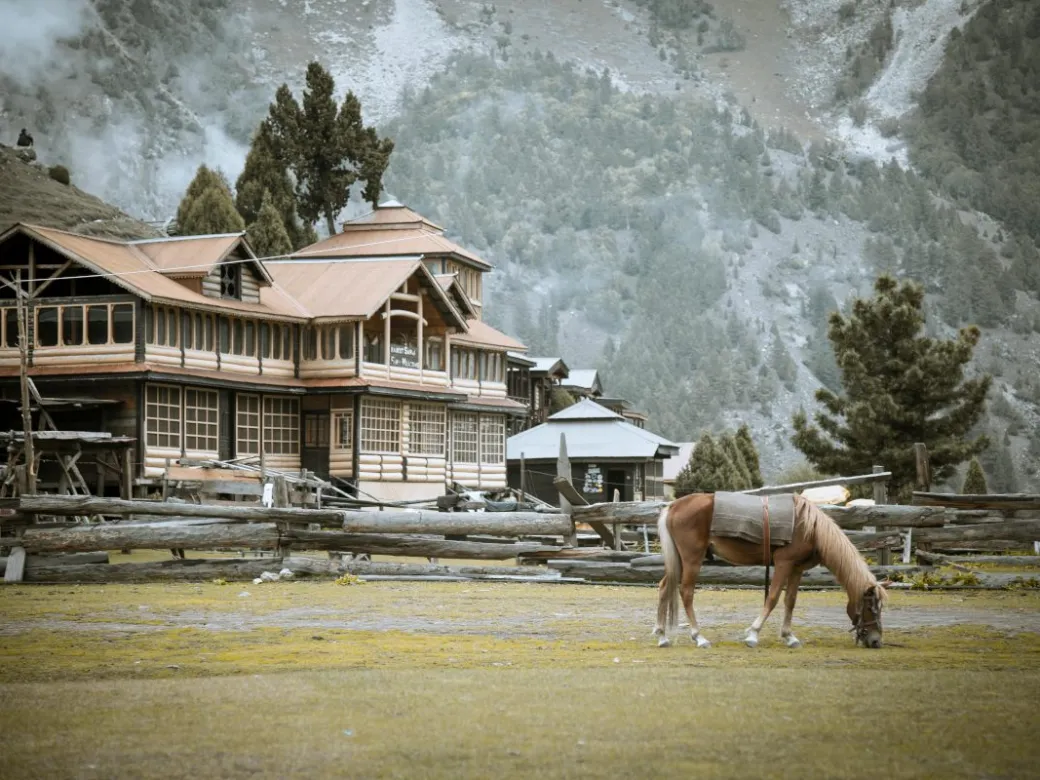
Gilgit-Baltistan: Why This Pakistani Paradise Tops 2025’s Global Travel Lists

Source: Halal Times
Kyoto, Japan – Imagine standing at the shore of a vibrant turquoise lake, encircled by towering, snow-capped peaks that pierce the heavens. The mountain air fills your lungs with crisp purity, an absolute silence envelops you, and in the distance, a shepherd guides his flock across a meadow that appears plucked from fantasy. This isn’t imagination—it’s Gilgit-Baltistan, Pakistan’s breathtaking northern territory that has earned its place among the world’s premier travel destinations for 2025, receiving prestigious recognition from both BBC and CNN.
A Geographic Wonder at the Crossroads of Giants
Nestled in northern Pakistan, Gilgit-Baltistan occupies a strategic position bordered by Afghanistan to the north, China to the northeast, and India to the southeast. The legendary Karakoram Highway cuts through this rugged terrain, serving as the main artery to this realm of natural extremes. Here stands the world’s second-highest peak, K2, reaching an imposing 28,251 feet, while glaciers extend longer than anywhere outside the polar regions.
What makes this region truly remarkable is the convergence of four magnificent mountain ranges—the Karakoram, Himalayas, Hindu Kush, and Pamirs—creating an alpine paradise for trekkers, mountaineers, and nature enthusiasts. Combined with pristine lakes, historic fortresses, and a heritage intertwined with the ancient Silk Road, Gilgit-Baltistan offers an unparalleled destination for travelers seeking both adventure and cultural immersion.
Nature’s Masterpiece: Landscapes That Defy Imagination
The natural splendor of Gilgit-Baltistan is its defining characteristic. Attabad Lake in Hunza Valley dazzles visitors with its electric-blue waters mirroring the surrounding peaks. Remarkably, this lake didn’t exist before 2010, forming after a catastrophic landslide blocked the Hunza River—a testament to how nature transforms disaster into wonder.
Deosai National Park, aptly nicknamed the “Land of Giants,” stands as the world’s second-highest plateau at 13,500 feet. During summer months, particularly July, the plains transform into a vibrant tapestry of wildflowers, creating a natural spectacle that captivates photographers and nature lovers alike. The region’s glaciers present another awe-inspiring attraction, with the Baltoro Glacier extending 39 miles to Concordia, a location mountaineers reverently call the “Throne Room of the Mountain Gods,” surrounded by K2 and other colossal peaks.
Unlike many over-developed tourist destinations, Gilgit-Baltistan remains largely pristine and untouched—an increasingly rare quality in today’s world of mass tourism.
Adventure Capital: A Haven for Thrill-Seekers
For those who measure vacation success by adrenaline levels rather than poolside relaxation, Gilgit-Baltistan delivers unparalleled excitement. The region hosts five peaks exceeding 8,000 meters, including the formidable K2 and Nanga Parbat—the latter earning its ominous nickname “Killer Mountain” for its challenging ascents. Even without attempting these extreme climbs, adventure opportunities abound.
Trekking reigns supreme in this mountainous paradise. The journey to Fairy Meadows involves a heart-pounding jeep ride followed by a three-hour hike, culminating at Nanga Parbat’s base with views that justify every step. For less demanding excursions, the Passu Glacier trail in Hunza offers spectacular vistas without requiring supplemental oxygen or technical climbing skills.
Living History: Cultural Treasures of the Highlands
Beyond its natural wonders, Gilgit-Baltistan harbors rich cultural heritage. The Hunza Valley, with its flowering apricot orchards and cherry blossoms, evokes an almost mythical atmosphere. Karimabad, the valley’s cultural center, features the 700-year-old Baltit Fort perched above the settlement. Constructed from mud-brick with distinctive Tibetan architectural influences, the fort chronicles centuries of Silk Road commerce and royal dynasties. Nearby, the millennium-old Altit Fort provides panoramic views and glimpses into the region’s feudal past.
The local inhabitants truly distinguish this destination. The Hunzakuts, renowned for their longevity and hospitality, welcome visitors with warmth and traditional tea. In Skardu, traditional polo matches—played without the formal regulations of the international sport—demonstrate the region’s unique cultural expressions against a backdrop of mountain scenery.
Why 2025 Is Gilgit-Baltistan’s Moment
Timing explains Gilgit-Baltistan’s emergence on prestigious travel lists for 2025. Pakistan’s tourism board launched the comprehensive “Salam Pakistan” initiative in 2023, streamlining e-visa processes and highlighting the northern region’s eco-tourism potential. Both BBC and CNN recognized these efforts, particularly praising the region’s sustainable tourism practices such as eco-friendly accommodations and community-based tour operations. This approach is evident in areas like Ghizer, where local residents serve as guides and sell authentic handicrafts, ensuring tourism revenue benefits the community.
Additionally, after decades of being overlooked, Pakistan’s northern beauty is gaining international recognition. The Karakoram Highway—an engineering marvel often called the “Eighth Wonder of the World”—connects Islamabad to Gilgit and beyond, improving accessibility despite remaining an adventure in itself.
Navigating the Challenges
A journey to Gilgit-Baltistan comes with certain challenges. Transportation can prove unpredictable, with flights from Islamabad to Gilgit or Skardu (offering spectacular 50-minute aerial views over Nanga Parbat) frequently delayed due to weather conditions. The alternative land route—a 20-hour bus journey along the Karakoram Highway—includes rough stretches past potential landslides and precipitous drops.
Upon arrival, visitors should expect basic infrastructure. Accommodation ranges from modest guesthouses to the more upscale Serena hotels, but consistent Wi-Fi coverage remains limited. Road closures can occur during winter months, and the high altitude (exceeding 8,000 feet in many locations) may cause acclimatization issues. However, these challenges ultimately contribute to the region’s unspoiled character—Gilgit-Baltistan rewards the adventurous, not those seeking convenience.
Essential Planning Tips for Your Gilgit-Baltistan Adventure
For travelers planning a 2025 visit to this emerging destination, consider these practical recommendations:
Optimal Timing
The summer season (June through September) offers ideal conditions with warm days, accessible roads, and valleys in full bloom. Winter presents stunning snow-covered landscapes but comes with severe conditions and transportation limitations.
Transportation Options
Book flights from Islamabad to Gilgit or Skardu via Pakistan International Airlines well in advance, as availability fills quickly. Alternatively, travel the Karakoram Highway using NATCO buses or hired vehicles for a more immersive experience.
Packing Essentials
Prioritize layered clothing, durable footwear, sun protection, and hydration equipment. Consider altitude medication like Diamox if susceptible to mountain sickness.
Accommodation Choices
Local guesthouses in Hunza or Skardu typically cost $20-50 per night, while premium options like Serena Hotels start around $100. Advance reservations are strongly recommended, particularly during peak season.
Culinary Experiences
Sample regional specialties like chapshuro (meat-filled bread) and apricot soup from local vendors. Pack supplementary snacks for remote excursions where food options may be limited.
Budgeting Guidelines
A comprehensive week-long trip including flights, accommodations, and meals typically ranges from $800-1,500, with costs varying based on comfort preferences and activities.
Safety Considerations
While Gilgit-Baltistan maintains a strong safety record for tourists, consulting current travel advisories is advisable. Guided tours are recommended for remote area exploration.
The Enduring Appeal of Pakistan’s Northern Gem
The true value of Gilgit-Baltistan lies in transformative experiences—witnessing Rakaposhi’s 25,551-foot summit illuminated by sunrise from Hunza’s Duikar viewpoint, or experiencing the profound serenity of Sheosar Lake in Deosai National Park. These raw, unfiltered moments exemplify why this destination stands apart from conventional tourism.
Gilgit-Baltistan’s emerging prominence represents more than fleeting popularity—it embodies sustainable tourism’s future. Local initiatives promote eco-conscious practices from solar-powered lodges to waste-reduction programs on popular trekking routes. Pakistan views this region as an economic catalyst, with infrastructure improvements through the China-Pakistan Economic Corridor potentially enhancing accessibility by 2026.
This remote corner of Pakistan earns its place among 2025’s premier global destinations through its celestial mountains, challenging trails, rich cultural heritage, and commitment to sustainable development. Beyond geographic coordinates, Gilgit-Baltistan offers a genuine adventure that promises personal transformation for those willing to venture beyond conventional destinations.
Original Articles:
halaltimes.com. (n.d.). Why Is Gilgit-Baltistan One of the World`s Best Travel Destinations in 2025? Retrieved April 9, 2025, from https://www.halaltimes.com/why-is-gilgit-baltistan-one-of-the-worlds-best-travel-destinations-in-2025/