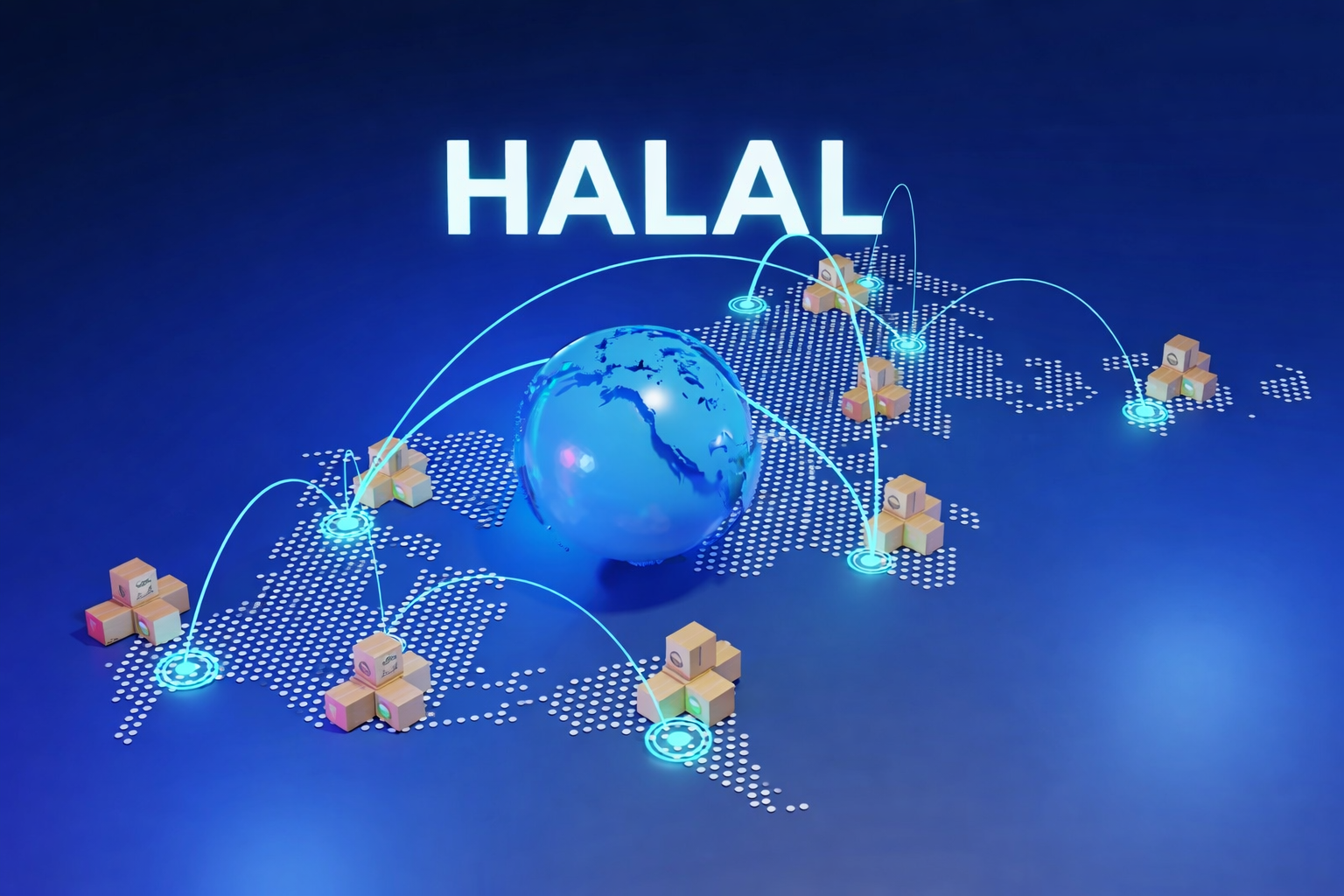
Strategic Marketing for Islamic Financial Products: A Comprehensive Guide
Source: Halal Times
Kawaguchiko, Japan – From the gleaming towers of Dubai to the financial centers of Kuala Lumpur, Islamic finance has transformed from a specialized offering into a global financial powerhouse. With assets exceeding $4 trillion and projected growth to $5 trillion by 2028, this sector represents one of the fastest-growing segments in global finance. Yet despite this remarkable expansion, many Islamic Financial Institutions (IFIs) struggle to effectively market their products, often overshadowed by conventional banks with larger marketing budgets and established brand recognition. The challenge isn’t the quality of Shariah-compliant offerings like sukuk, takaful, or murabaha—it’s communicating their value in a way that resonates with diverse audiences while maintaining religious authenticity.
This article provides marketing professionals at Islamic banks and fintech companies with actionable strategies to elevate their promotional efforts. Drawing from industry research, successful case studies, and market insights, we present a framework designed to help IFIs compete effectively in an increasingly digital and globalized marketplace.
Understanding the Islamic Finance Landscape
Islamic finance operates according to Shariah principles, prohibiting interest (riba), excessive uncertainty (gharar), and investments in industries deemed unethical, such as alcohol, gambling, or weapons. Instead, it emphasizes profit-sharing arrangements, risk distribution, and asset-backed transactions that create real economic value.
Market statistics demonstrate impressive momentum. According to recent Refinitiv data, Islamic finance assets grew by 15% year-over-year, outperforming many conventional financial sectors. The sukuk market alone reached $800 billion in issuance during 2024, as reported by S&P Global, with diverse issuers ranging from sovereign wealth funds to emerging fintech companies. Takaful (Islamic insurance) is likewise experiencing rapid expansion, with premium volumes forecast to reach $100 billion by 2030, particularly in Southeast Asia and Gulf Cooperation Council (GCC) nations.
This growth extends beyond predominantly Muslim regions, with financial centers like London and Singapore emerging as Islamic finance hubs, attracting ethical investors impressed by the sector’s natural alignment with Environmental, Social, and Governance (ESG) principles.
Strategy 1: Precise Audience Segmentation
Effective marketing begins with understanding your target audience. For Islamic finance products, several distinct segments exist, each with unique motivations and communication preferences:
Core Audience Profiles
- Observant Muslims seeking Shariah-compliant alternatives to conventional banking products. This group prioritizes certifications from respected Shariah boards like the Accounting and Auditing Organization for Islamic Financial Institutions (AAOIFI) and scrutinizes product structures for religious compliance.
- Ethically-motivated Non-Muslims drawn to Islamic finance’s principled approach. Recent Bloomberg research indicates that 35% of sukuk investors in the United Kingdom identify as non-Muslim, attracted primarily by stability and ethical considerations.
- Digital-native Young Professionals in Muslim-majority countries who demand seamless mobile experiences. According to Statista, approximately 70% of Islamic banking customers in Malaysia prefer digital channels over physical branches.
- Corporate and Institutional Clients requiring specialized services like trade financing, sukuk issuance facilities, or Shariah-compliant project funding. Indonesia’s infrastructure development has particularly fueled corporate demand for Islamic financing instruments.
Data-Driven Targeting
Leverage CRM systems to analyze customer behavior patterns and preferences. Social media analytics can reveal valuable insights—for instance, social media conversations show that young professionals in the UAE highly value digital features like integrated zakat calculators. Recent market research from Deloitte indicates that 40% of takaful customers prioritize digital claims processing, informing product development and marketing priorities.
Cultural Sensitivity in Communication
Different markets require tailored approaches. Saudi Arabian audiences generally respond well to messaging emphasizing family security and religious values, while Malaysian consumers engage with vibrant, community-oriented campaigns. Avoid generic imagery that feels disconnected from local contexts; instead, utilize visuals reflecting local cultural elements and settings.
Success Story: Emirates Islamic Bank’s 2023 campaign targeted young urban professionals with a mobile application featuring Shariah-compliant automated investment advice. By utilizing localized Arabic content and collaborating with regional influencers like Emirati content creator Khalid Al Ameri, the bank achieved a 25% increase in new account openings among customers under 35.
Strategy 2: Educational Marketing
Islamic financial products often involve concepts unfamiliar to many consumers. Effective marketing must educate without overwhelming potential customers.
Simplifying Complex Concepts
Replace technical terminology with accessible explanations:
- Instead of: “Murabaha is a Shariah-compliant cost-plus financing arrangement”
- Try: “Murabaha lets you purchase property with transparent, fixed costs—no hidden interest charges”
For takaful products, explain: “Takaful works through mutual cooperation, where members contribute to a fund that helps everyone when needs arise”
Use relatable analogies: “Sukuk is similar to owning part of a building and earning returns from its actual use rather than from interest”
Content Marketing Excellence
Develop multi-format educational content to build understanding and trust:
- Thought Leadership: Publish articles like “The Future of Ethical Finance Through Sukuk” in industry publications and on your website, optimized with relevant keywords
- Video Explainers: Create concise animated explainers (e.g., “Understanding Takaful in 2 Minutes”) for social media platforms—65% of financial services customers prefer visual content according to Vidyard research
- Detailed Resources: Develop comprehensive guides like “Navigating Islamic Mortgages: A Complete Guide” for serious prospects
- Interactive Content: Host webinars featuring Shariah scholars and industry experts—Al Rajhi Bank’s webinar series on Islamic wealth management attracted 10,000 registrations
Authority Through Partnerships
Collaborate with respected voices in the Islamic finance community. According to the Edelman Trust Barometer, 62% of Muslim consumers trust recommendations from religious or community leaders more than corporate advertising. Partner with prominent Shariah scholars to validate your products and engage with Islamic finance influencers to reach broader audiences.
Success Story: Bank Islam Malaysia partnered with respected Islamic finance educator Ismail Kamus in 2023 for an educational video series explaining takaful concepts in accessible Malay language. The campaign generated over 2 million views and increased takaful inquiries by 30%.
Strategy 3: Building Trust Through Transparency
In Islamic finance, trust is fundamental. Customers need confidence that products are authentically Shariah-compliant rather than conventional offerings with superficial modifications.
Demonstrating Authentic Compliance
- Prominently display certifications from recognized bodies like AAOIFI or local Shariah boards across marketing materials
- Provide clear explanations of product structures, including detailed profit-sharing formulas for investments
- Share impact stories highlighting how Islamic financial products contribute to community development, ethical businesses, or sustainable projects
Addressing Common Concerns
Counter misconceptions with data and comparisons. Recent S&P Global research shows sukuk yields averaging 4.5%, competitive with conventional bonds. Use visual comparisons to demonstrate how Islamic financial products performed during economic downturns, highlighting their resilience during the 2008 financial crisis.
Responsive Communication
Monitor social media platforms for questions or criticisms about your products’ Shariah compliance. Respond promptly with factual information, supporting your claims with references to Shariah principles and scholarly endorsements.
Success Story: HSBC Amanah implemented a “Transparency Matters” campaign in the UK market, showcasing their governance process, Shariah scholar profiles, and detailed breakdowns of sukuk asset allocations. This initiative increased retail sukuk subscriptions by 20%.
Strategy 4: Digital Excellence
A comprehensive digital strategy is essential for reaching today’s consumers.
Search Engine Optimization
Develop content optimized for key phrases like “Islamic mortgage alternatives,” “ethical investment options,” and “Shariah-compliant banking.” Create targeted landing pages for specific products with clear calls to action. Use tools like SEMrush to monitor performance and competitor strategies.
Platform-Specific Social Strategies
- LinkedIn: Target corporate clients with substantive content on Islamic finance trends and opportunities
- Instagram/TikTok: Create visually engaging content explaining Islamic finance concepts for younger audiences
- X (Twitter): Join conversations about ethical finance with data-driven insights and timely commentary
Targeted Advertising
Implement precision targeting in digital campaigns. For instance, direct ads for business financing products to SME owners in specific regions. A/B test different messaging approaches—research indicates culturally tailored ads achieve 15% higher engagement than generic alternatives.
Mobile Experience Optimization
Develop intuitive mobile applications with useful features beyond basic banking. Integrate tools like zakat calculators, prayer time reminders, or halal investment screeners. According to Statista, 78% of Islamic banking transactions in GCC countries now occur through mobile channels.
Success Story: Qatar Islamic Bank’s mobile application redesign, featuring a Shariah-compliant investment advisory tool and simplified zakat payment options, drove a 40% increase in digital account openings within three months of launch.
Strategy 5: Community Integration and Strategic Partnerships
Islamic finance is fundamentally tied to community values and collective benefit. Marketing should reflect and reinforce these connections.
Community Engagement
Sponsor meaningful events like Islamic finance conferences, educational seminars, or community development initiatives during Ramadan. These activities build goodwill while creating organic opportunities to introduce financial solutions.
Fintech Collaboration
Partner with emerging Islamic fintech platforms to reach digitally-savvy consumers. According to PwC research, 45% of Islamic finance customers prefer fintech-enabled solutions for their convenience and innovation.
Impact-Focused Initiatives
Develop campaigns linking financial products to tangible social benefits. Programs allocating a percentage of profits to waqf (endowment) projects or zakat (charitable giving) initiatives resonate strongly—60% of Islamic banking clients cite social impact as a key consideration according to Ernst & Young research.
Success Story: Bank Rakyat Indonesia’s “Waqf for Education” initiative directed 1% of profits from new accounts toward school construction projects. The campaign generated a 15% increase in account openings while strengthening the bank’s reputation for community commitment.
Addressing Key Challenges
Several obstacles require strategic approaches:
Regulatory Complexity
Shariah interpretations vary across regions—Malaysia typically follows more flexible standards than Gulf states. Develop region-specific marketing approaches aligned with local regulatory frameworks and scholarly opinions.
Competition from Conventional Institutions
Differentiate by emphasizing Islamic finance’s unique value proposition: ethical considerations, risk-sharing principles, and economic stability. Highlight the sector’s resilience during financial crises as evidence of its inherent strength.
Awareness Gaps
Many consumers—including Muslims in non-Muslim-majority countries—remain unfamiliar with Islamic finance options. Implement broad educational campaigns through mainstream media, transit advertising, and digital platforms to introduce basic concepts.
Success Story: Standard Chartered Saadiq conducted an “Ethical Wealth” campaign in Singapore targeting professionals interested in responsible investing. Using transit advertising and targeted digital content, the campaign increased brand awareness by 22%.
Measurement and Optimization
Establish comprehensive metrics to evaluate marketing effectiveness:
- Digital Engagement: Track website visitors, content consumption patterns, and conversion rates
- Lead Generation: Monitor inquiries and applications resulting from specific campaigns
- Customer Acquisition Cost: Calculate the efficiency of marketing spend against new account value
- Brand Sentiment: Use social listening tools to assess perception and reputation
Review performance quarterly and reallocate resources based on results. Implement A/B testing for key messages and creative approaches to continuously refine effectiveness.
Future Trends to Watch
Several developments will shape Islamic finance marketing:
- AI-Powered Personalization: Leveraging artificial intelligence to deliver customized product recommendations based on individual needs and preferences
- Sustainable Finance Integration: Marketing green sukuk and other environmentally-responsible instruments to meet growing demand for sustainable investments
- Blockchain Applications: Utilizing distributed ledger technology to enhance transparency and efficiency in Islamic financial transactions
- Virtual Experiences: Exploring metaverse presence to engage younger consumers in immersive educational environments
Conclusion
For Islamic financial institutions, effective marketing represents both a significant challenge and substantial opportunity. By implementing audience-centered strategies, educational content, digital excellence, and community engagement initiatives, IFIs can position themselves competitively in this rapidly expanding market.
Success requires a commitment to authenticity, innovation, and cultural relevance. Begin by auditing your current marketing approach for Shariah alignment and audience resonance, then develop an integrated strategy incorporating the frameworks outlined above. The $4 trillion Islamic finance industry continues to evolve—with strategic marketing, your institution can play a leading role in its future growth.
Original Articles:
halaltimes.com. (n.d.). How To Market & Advertise Islamic Financial Services? Retrieved April 29, 2025, from https://www.halaltimes.com/how-to-market-advertise-islamic-financial-services/