Global Halal Market Confidence in “Made in Saudi Arabia” Creates Export Opportunities

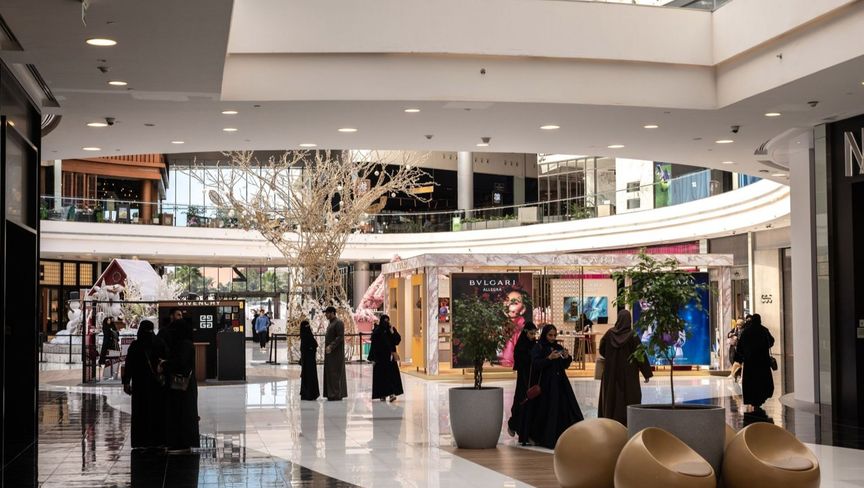
(Photo by: asharqbusiness.com)
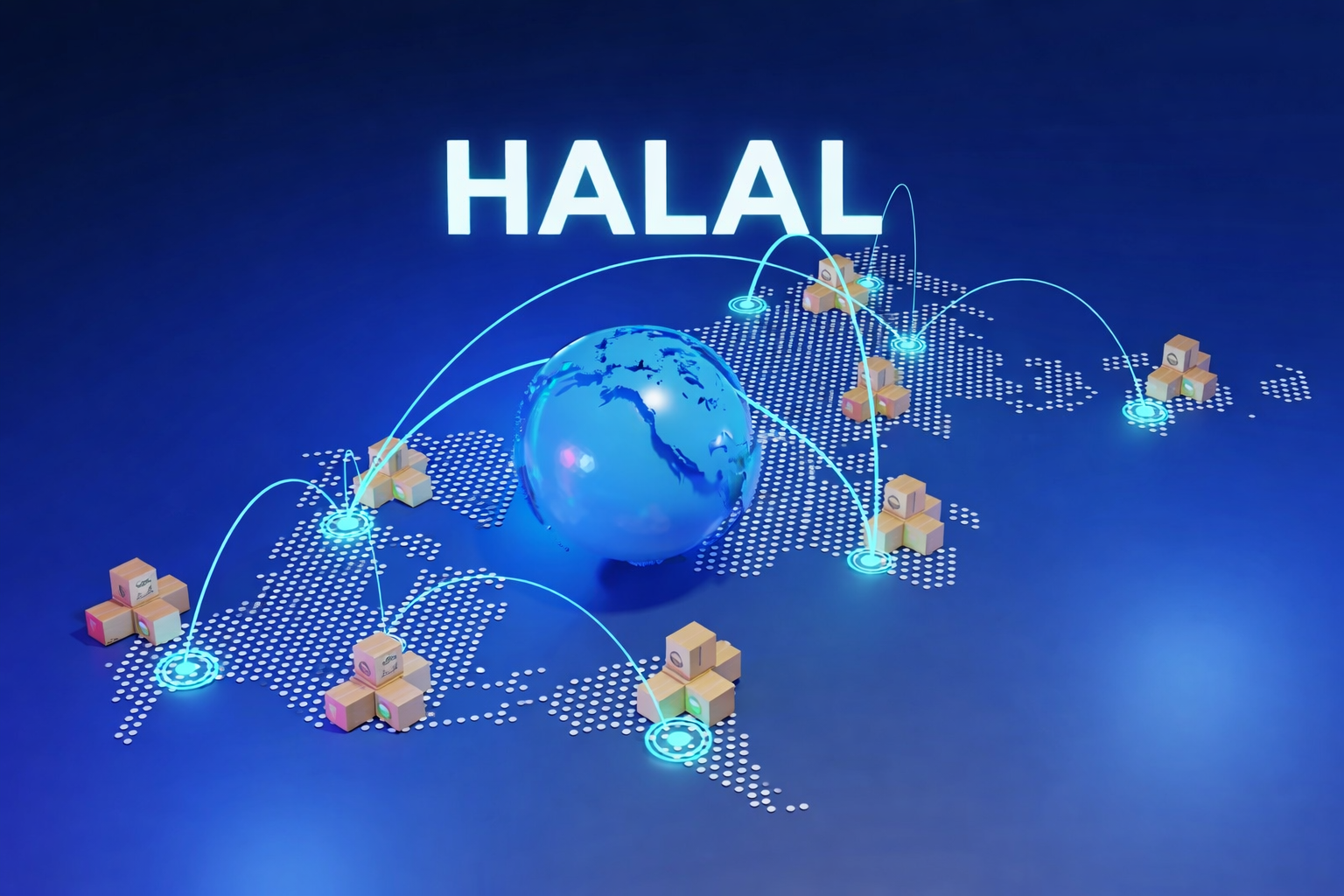
The global halal economy exceeded 9 trillion riyals worldwide, with Saudi Arabia leading investments in the sector during 2023 with 5.5 billion riyals.
Growing Consumer Demand Drives Market Expansion
In a world where consumer patterns diversify and producers strive to meet demands for products that align with their cultures, religious beliefs, and lifestyles, the halal economy has emerged as one of the fastest-growing and most investment-attractive sectors, creating promising opportunities for the Saudi economy.
The concept of halal economy extends beyond food alone, encompassing six sectors: food and beverages, modest fashion, travel, media, pharmaceuticals, and cosmetics.
Market Size and Growth Projections
In 2023, Muslim consumers worldwide spent more than 9.1 trillion riyals on these products. Estimates indicate this figure will rise to 11.7 trillion riyals by 2027, with a compound annual growth rate of 6.4%, driven by the expanding consumer base in Islamic markets. Additionally, approximately 23% of Muslims worldwide live in non-Islamic countries, broadening the demand for halal products across multiple markets.
Saudi Arabia’s Transformation: From Consumer to Investment Hub
Saudi Arabia represented one of the most prominent consumer markets in the halal economy, with spending exceeding 623 billion riyals in 2023. However, the most significant transformation was the Kingdom’s transition from consumer to investor, attracting 5.5 billion riyals in halal sector investments in the same year. This positioned Saudi Arabia as the top destination for such investments, ahead of Malaysia, Kuwait, the UAE, and Indonesia, according to the Saudi Arabia Halal Market Report 2024-2025 issued by Halal Products Development Company.
Strategic Investment Focus
Halal food was the main driver of this transformation, capturing more than 5 billion riyals of those investments, alongside deals in travel and tourism, pharmaceuticals, cosmetics, and modest fashion sectors. This investment momentum is driven by strategic directions led by Halal Products Development Company, established in 2021 as an investment and advisory arm owned by the Public Investment Fund, aiming to enhance this sector’s potential in the Kingdom and enable it globally.
Key Strategic Partnerships
The company represents an extension of the Saudi Halal Products Strategy launched in May 2021, focusing on supporting small and medium enterprises and partnering with local and international companies active in this sector.
In December 2023, Halal Products Development Company signed a joint venture agreement with BRF (Brazil Foods) to increase production capacity in the poultry sector and localize halal food manufacturing, aiming to achieve 80% self-sufficiency in poultry by 2025.
In May 2024, the company announced signing a binding investment agreement with Singapore-based Believe, specializing in halal cosmetics. The agreement includes relocating its headquarters to Riyadh and establishing a factory in the Kingdom to manufacture personal care products targeting local and global markets.
Production Capacity Expansion
The Kingdom’s plans to expand production capacity in vital components like halal gelatin are accelerating, targeting increased production from 450 tons to 2,500 tons annually by 2024. The Saudi Gelatin and Capsules Company – the only factory of its kind in the Gulf – produces more than 3 billion capsules annually, with 85% for food use.
Consumer Trust in “Made in Saudi Arabia”
The growing confidence in Saudi halal products represents one of the Kingdom’s most prominent competitive advantages. In a survey covering consumers from 7 major markets, 99% of participants said they consider Saudi Arabia among the top five most trusted countries for producing halal products, while 92% classified it among their preferred countries for purchasing such products.
This competitive advantage allows the “Made in Saudi Arabia” brand to become a sufficient symbol for gaining consumer trust in the halal market. According to the report, this preference is based on the Kingdom’s religious symbolism as the birthplace of Islam, its strict halal-related legislation, and its advanced regulatory infrastructure.
Export Opportunities and Growth Potential
Despite this strong presence, opportunities remain much greater than what has been achieved. The report indicates that the Kingdom can gradually enhance its exports by 27 billion riyals and reduce its dependence on imports by approximately 66.3 billion riyals, particularly in food and pharmaceutical sectors.
This strategy represents an important tributary for achieving Vision 2030 targets through localizing value chains, diversifying income sources, and increasing the industrial sector’s contribution to GDP, while being able to meet the needs of millions of pilgrims and Umrah performers annually.
Halal Economy Sectors Drive Vision 2030
The six sectors covered by the halal economy play a crucial role in driving Vision 2030, offering investment, industrial, and export opportunities that position the Kingdom at an advanced position on the global halal economy map.
According to Fawaz Al-Harbi, Chairman of Halal Products Development Company, Saudi Arabia’s expansion in building an integrated ecosystem for these sectors targets not only the local market, but the Kingdom seeks to become an international regulatory and industrial reference for halal products through a Saudi model that combines quality, compliance, and trust.
Original Article:
Asharq Business. (2025, July 7). صنع في السعودية”: “علامة الحلال الجديدة للأسواق العالمية. https://asharqbusiness.com/economics/89011/صنع-في-السعودية-علامة-الحلال-الجديدة-للأسواق-العالمية/