Thailand’s Growing Halal Tourism Market: Key Insights from Mega Halal 2025
Thailand is positioning itself as a major player in the global halal tourism industry, which represents one of the fastest-expanding segments in international travel. The recent Mega Halal 2025 exhibition, conducted at BITEC Bangna in Bangkok from July 16-18, provided a crucial forum for examining Thailand’s halal tourism capabilities and strategies for creating a more welcoming environment for Muslim travelers while preserving the nation’s cultural identity.
Leadership Perspectives on Inclusive Tourism
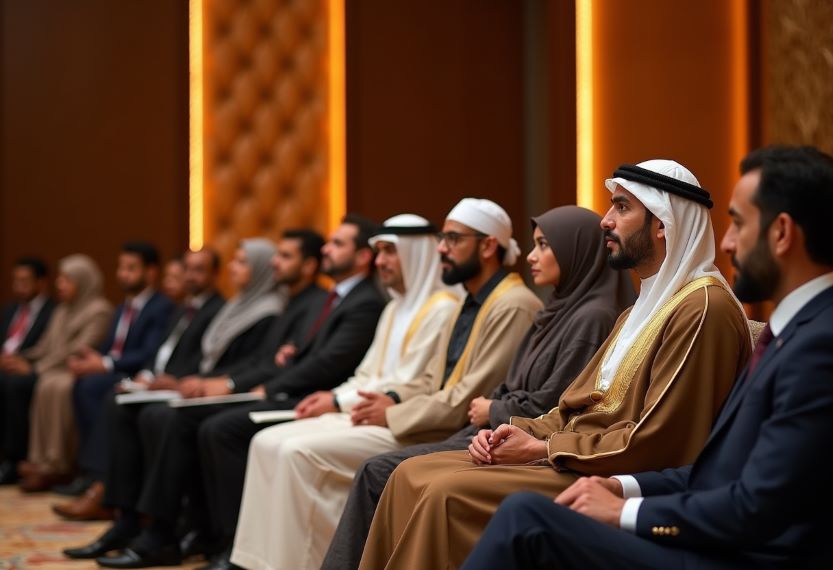
Aida Oujah, who leads the Thai-ASEAN Halal Tourism Trade Association (TAHTA), advocates for an inclusive model of halal tourism that extends beyond serving only Muslim visitors. She reports growing interest from non-Muslim business operators seeking guidance on accommodating Muslim guests effectively.
According to Oujah, successful Muslim-friendly hospitality involves attention to specific details such as installing bidets in restrooms, providing prayer direction indicators, and ensuring same-gender massage services. She emphasizes that while religious considerations are important, they represent only about 30% of the overall travel experience, with the majority of activities and attractions remaining universal for all tourists.
Oujah frames the integration of halal-compliant services not as an additional burden but as an enhancement that creates a more comprehensive and inclusive tourism experience benefiting all visitors to Thailand.
Ensuring Authentic Halal Standards
-
Official Certification Requirements
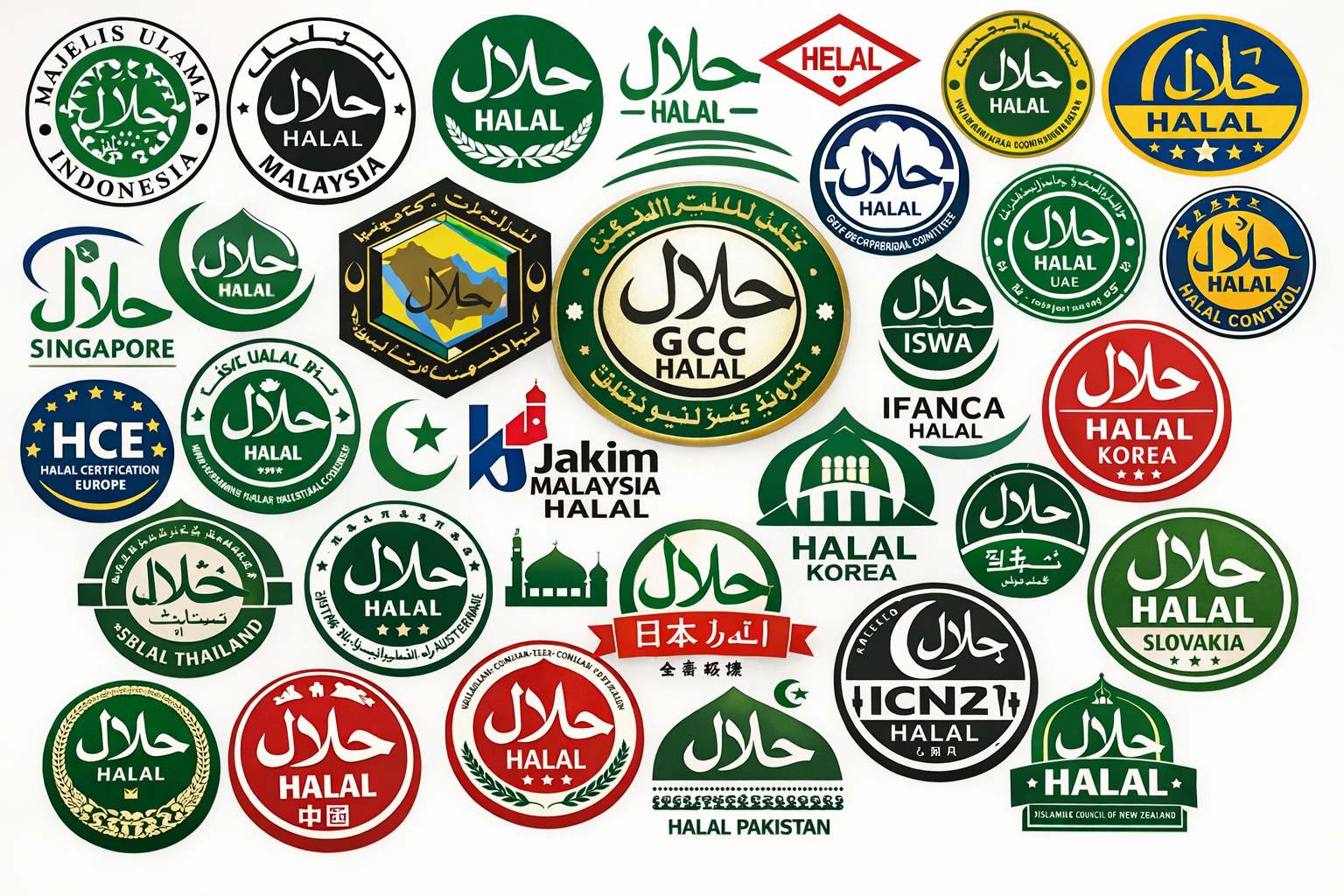
Dumrong Poottan, an aide to the National Assembly Speaker, stresses the critical importance of legitimate halal certification. In Thailand, only two organizations possess legal authority to issue authentic halal certificates: the Halal Science Center at Chulalongkorn University and the Central Islamic Council of Thailand (CICOT). These institutions ensure compliance with international halal standards and maintain industry integrity.
-
The Reality of Muslim Consumer Awareness
Dumrong notes that Muslim consumers are well-informed and communicate within their communities about authentic versus questionable halal offerings. He emphasizes that Muslim travelers look for official halal certification symbols rather than making assumptions based on business owners’ names or appearances.
Combating Fraudulent Halal Claims
-
The Problem of Fake Certification
Travel blogger and halal tourism advocate Sakarin Sadlah highlighted the serious issue of counterfeit halal labels in Thailand. Some establishments display unofficial halal stickers to attract Muslim customers without proper certification, which constitutes both false advertising and a violation of religious trust.
-
Proposed Technology Solution
Sakarin suggests developing a mobile application similar to Japan’s Halal Navi, which would allow Muslim tourists to verify the authentic halal certification status of restaurants and hotels, bringing greater transparency to Thailand’s halal tourism infrastructure.
Market Expansion Opportunities
Dumrong Poottan identifies India as a significantly underutilized source market for Thailand’s halal tourism sector. Despite India’s substantial Muslim population and growing economic prosperity, many potential Indian Muslim travelers remain unaware of Thailand’s halal-friendly offerings due to the country’s reputation for nightlife and entertainment.
There’s a recognized need for collaborative efforts between government agencies and private tourism organizations to rebrand Thailand as a destination offering comprehensive Muslim-friendly experiences, including halal cuisine, prayer facilities, and culturally sensitive services, rather than focusing solely on entertainment options.
Innovation Through Wellness Integration
-
Combining Halal and Health Tourism
Kusuma Kinglek, CEO of Aonang Princeville Villa Resort & Spa, presented an innovative perspective on merging halal tourism with the global wellness movement. She argues that halal principles naturally align with clean living and wellness trends, creating synergistic opportunities.
-
Thailand’s Natural Advantages
Kinglek points out that Thailand already possesses the essential elements—cuisine, culture, and infrastructure—needed for this integration, requiring only adjustments to kitchen operations and service protocols to meet halal wellness standards. This combination could attract Muslim travelers seeking both spiritual fulfillment and physical rejuvenation.
Government Action and Regional Competition
Aida Oujah concluded the event by urging the Thai government to demonstrate concrete commitment to welcoming halal tourists. She specifically mentioned Malaysia’s emergence as a significant source market for halal tourism due to its predominantly Muslim population.
With Thailand’s abundant cultural and natural attractions, the country has strong potential to capture a larger share of the halal tourism market. However, Oujah emphasizes the need for swift action from both public and private sectors to engage actively with the halal tourism community before competitors gain advantage.
Conclusion: Thailand’s Path Forward in Halal Tourism
The discussions at Mega Halal 2025 reflect Thailand’s evolving commitment to becoming more competitive in the halal tourism sector. Through authentic certification processes, cultural sensitivity, and strategic market expansion, Thailand is working toward establishing itself as a leading Muslim-friendly travel destination. While the country is well-positioned for success in this growing market, rapid implementation of these initiatives will be crucial to stay ahead of increasing regional competition.
Original Article:
Travel and Tour World. (2025, August 4). Thailand’s Halal Tourism: Insights from MEGA Halal 2025 at BITEC Bangna. https://www.travelandtourworld.com/news/article/thailands-halal-tourism-insights-from-mega-halal-2025-at-bitec-bangna/