Halal Nutritional Supplements Market Analysis: Explosive Growth Projected Through 2034
(Source: businessresearchinsights.com)
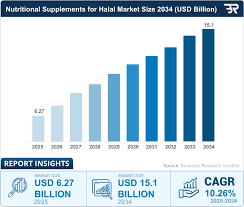
The global halal nutritional supplements market demonstrates remarkable expansion potential, valued at USD 6.27 billion in 2025 and projected to reach USD 15.1 billion by 2033. This represents a robust compound annual growth rate (CAGR) of 10.26% throughout the forecast period. The market’s upward trajectory reflects increasing health consciousness among Muslim consumers worldwide and growing international demand for halal-certified products. These supplements encompass vitamins, minerals, proteins, and herbal products manufactured according to Islamic dietary guidelines, ensuring complete absence of haram (forbidden) substances such as non-halal gelatin or alcohol-based processing.
Product Categories and Applications
Diverse Product Portfolio Serving Multiple Consumer Needs
The market encompasses five primary product categories: halal-certified vitamins, protein supplements, herbal supplements, amino acids, and multivitamins. Each category serves specific health and wellness objectives while maintaining strict adherence to Islamic dietary laws.
Product applications span across healthcare settings, sports nutrition, Islamic dietary compliance, retail distribution, and general wellness. Healthcare applications include supplements supporting medical treatments and chronic condition management, while sports nutrition focuses on performance enhancement and recovery for Muslim athletes. The Islamic dietary needs segment specifically addresses daily nutritional requirements within halal guidelines, emphasizing the importance of religious compliance alongside health benefits.
Pandemic Impact and Recovery
COVID-19 Disruptions Followed by Strong Market Rebound
The COVID-19 pandemic initially created significant challenges for the halal supplements market through global supply chain disruptions, raw material shortages, and manufacturing delays. Lockdowns particularly affected international trade in halal-certified ingredients, while certification body closures delayed product approvals and launches. Retail store closures limited consumer access, especially in developing nations with limited digital infrastructure.
Despite increased demand for immunity-boosting products during the pandemic, logistical problems and economic downturns reduced overall consumer spending capacity. However, the market has demonstrated resilience with demand returning to pre-pandemic levels, contributing to the current strong growth trajectory.
Current Market Trends
Plant-Based Clean-Label Products Drive Consumer Preference
The market is experiencing a significant shift toward plant-based, clean-label halal supplements distributed through transparent e-commerce platforms. Consumers increasingly prefer vegan and vegetarian products that meet stringent halal requirements while avoiding artificial additives, genetically modified ingredients, and preservatives. This trend aligns with moral, health, and environmental consciousness, particularly among younger Muslim consumers globally.
Brands are emphasizing complete supply chain transparency, revealing ingredient sourcing, certification processes, and audit procedures to build consumer trust. The expansion of online halal wellness retailers has improved global accessibility, reaching previously underserved markets and communities.
Market Dynamics
Population Growth and Health Awareness Fuel Demand
The primary growth driver stems from the expanding global Muslim population, projected to exceed 2.2 billion by 2030, creating substantial demand for halal-compliant nutritional products. Rising health awareness, particularly in Southeast Asia, the Middle East, and parts of Africa, encourages supplement consumption that aligns with religious and moral values. Increased access to nutritional information has boosted consumption of halal multivitamins, immune boosters, and herbal products among health-conscious Muslim consumers.
Government support and expanding halal certification frameworks provide institutional backing for manufacturers adhering to Islamic dietary laws. This regulatory support enhances product availability and credibility in both Muslim-majority and non-Muslim countries. The ethical consumerism trend and clean-label product demand are motivating more businesses to pursue halal certification, integrating halal supplements into the mainstream nutrition industry.
Market Challenges and Opportunities
Certification Complexity Balanced by E-Commerce Growth
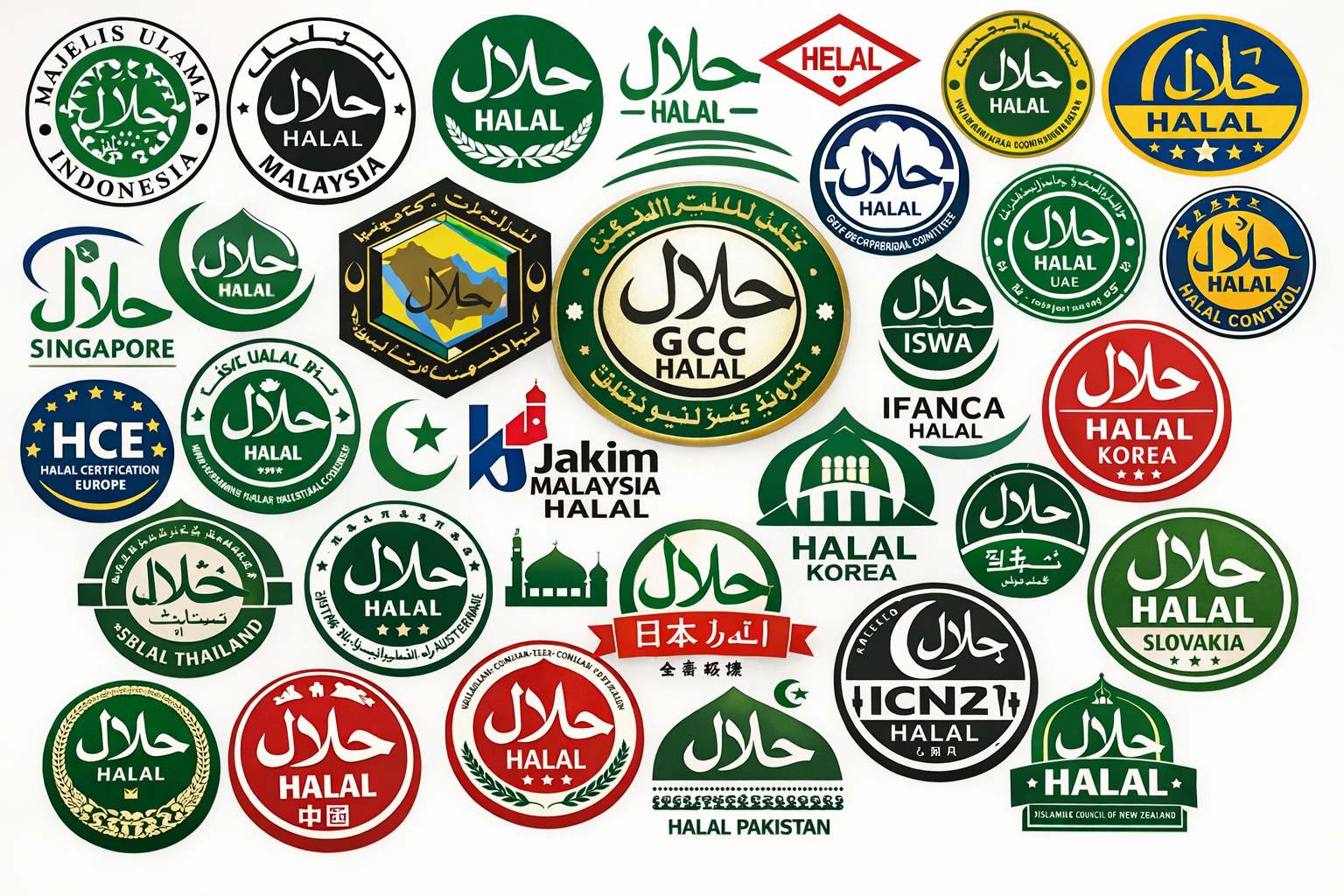
The market faces significant challenges from complex and costly halal certification processes, particularly for multinational supplement companies. Manufacturers must provide detailed supply chain documentation and ensure all ingredients and procedures comply with Islamic guidelines, including gelatin alternatives and alcohol-free processing. Varying halal standards across countries (such as Malaysia’s JAKIM and Indonesia’s MUI) create additional compliance complexity that may discourage market entry and increase manufacturing costs.
Limited awareness and misconceptions about halal certification in non-Muslim majority countries represent another growth barrier. Insufficient understanding of differences between general and halal supplements, combined with poor labeling and unclear regulatory standards, can create consumer confusion despite growing interest in ethical and faith-based products.
However, significant opportunities exist through e-commerce expansion and targeted digital marketing reaching global markets. Online sales channels eliminate geographic limitations, allowing smaller halal-certified companies to connect with health-conscious Muslim consumers worldwide. Social media influencers, wellness blogs, and mobile health applications continue generating product interest, particularly valuable where physical halal retail stores are scarce.
Regional Market Analysis
Asia Leads While North America and Europe Show Strong Growth
Asia dominates as the largest and most dynamic market, driven by substantial Muslim populations in Indonesia, Malaysia, Pakistan, and India. Strong government and religious institutional support ensures robust certification procedures, while health-conscious Southeast Asian consumers increasingly purchase halal-certified multivitamins and herbal supplements. The region hosts major halal manufacturing centers that export globally, with market growth further accelerated by rapid urbanization, digital retail development, and rising middle-class incomes.
North America represents a critical growth area as the Muslim population expands and consumer preference shifts toward ethical, clean-label products. The United States and Canada show increasing demand for halal-certified supplements through online and retail channels, with manufacturers developing halal vitamins, protein supplements, and herbal products within well-established health and wellness markets.
Europe demonstrates strong market potential through large Muslim populations in the United Kingdom, France, and Germany. Rising multicultural awareness, strict food safety regulations, and growing demand for ethically produced supplements drive halal certification requirements. European consumer interest in plant-based and vegan halal products creates additional market diversification opportunities.
Industry Leadership
Major Companies Invest in Halal Innovation and Certification
Leading industry players include Herbalife Nutrition Ltd., Amway Corporation, Nestle Health Science, Blackmores Limited, and AJ Biologics Sdn Bhd (Malaysia). These companies offer diversified product portfolios including vitamins, protein powders, and herbal supplements specifically designed for Muslim consumers. Most maintain partnerships with established halal certification agencies to ensure compliance and expand operations in Muslim-majority nations.
Regional specialists such as HPA Industries and Halagel focus exclusively on halal nutrition, adding product variety and serving diverse consumer health needs. Recent developments include Herbalife’s March 2025 Sharia Certification from Indonesia’s National Sharia Council (DSN-MUI), confirming both product and business model compliance with Islamic principles and boosting consumer confidence during religious periods like Ramadan.
Future Outlook
Innovation and Digital Transformation Drive Continued Expansion
The halal nutritional supplements market is positioned for continued diversification and growth as major enterprises invest in halal innovation and certification. Plant-based formulations, e-commerce expansion, and specialized health supplements present significant untapped opportunities. Digital transformation particularly benefits markets with limited physical halal retail presence, enabling global reach and consumer education.
Government legislation support and growing awareness of ethical consumption patterns indicate sustained market momentum. As certification processes become more standardized and consumer education improves, the market is expected to integrate more fully into mainstream nutrition retail while maintaining its specialized focus on Islamic dietary compliance and cultural values.
Original Article:
Business Research Insights. (2025). Nutritional Supplements for Halal Market Size, Share & Forecast Report, 2034. Retrieved from https://www.businessresearchinsights.com/market-reports/nutritional-supplements-for-halal-market-125563