Exploring the Halal Integrity of Dubai Chocolate: A Sweet Sensation on the Rise
source: traveloka.com
Dubai chocolate, a delightful treat hailing from the Middle East, has taken social media by storm, captivating taste buds around the globe. This delectable confectionery has not only gained immense popularity but has also inspired local culinary entrepreneurs to dive into its production and marketing. But what exactly defines the halal integrity of this indulgent snack, and should consumers prioritize products certified by BPJPH in accordance with MUI fatwa standards?
Sweet treats have an undeniable charm, and Dubai chocolate is no exception. Known for its rich flavors and visually appealing presentation, this chocolate has become a sensation. According to CNN, it was first crafted by Fix Dessert Chocolatier in Dubai at the end of 2023 and quickly gained traction after being showcased by social media influencers.
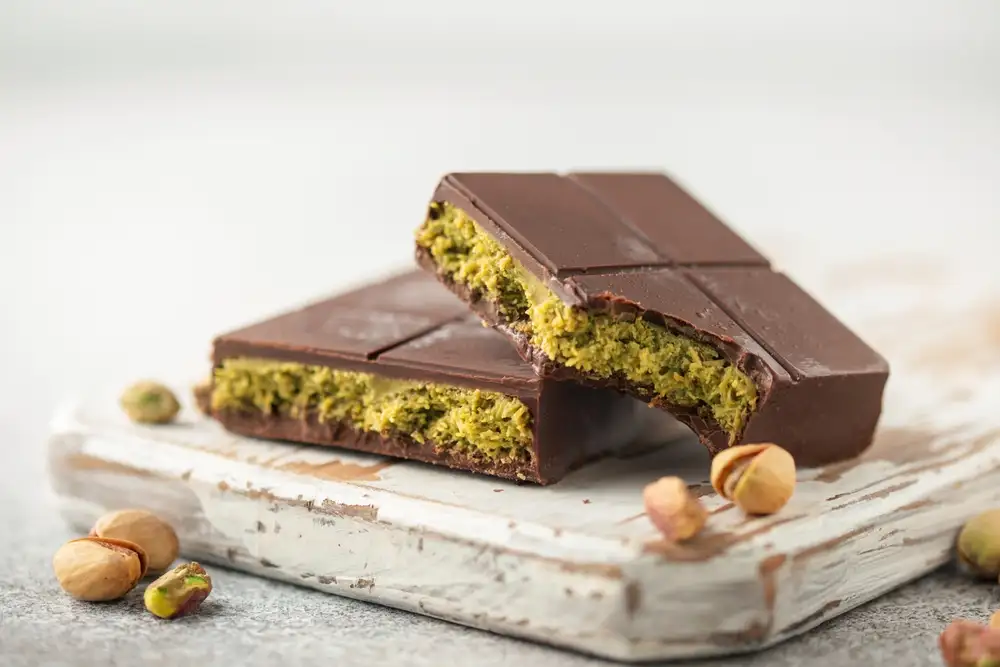
Fix Dessert Chocolatier offers a range of creatively named products, including “Butter to Be Safe Than Salty,” “Mind Your Own Buiscoff,” and the standout “Can’t Get Knafeh of It.” The latter has become particularly famous, featuring a blend of 72% dark chocolate and crunchy kunafa filled with soft pistachio, all topped with a colorful chocolate splatter.
The vibrant packaging adds to the allure, while the unique consumption method—breaking the thick chocolate into two pieces before the first bite—creates an exciting auditory and taste experience.
Initially, Dubai chocolate was primarily available in Middle Eastern countries, requiring eager fans to order it online and often wait for delivery. This exclusivity led to long queues for those wanting to savor this treat, as it was not readily available in Asia but rather shipped to Europe and other continents.
Recognizing the potential of this trend, local Indonesian entrepreneurs have begun to innovate, especially with the Christmas and New Year holidays approaching. Inspired by Dubai chocolate, they have created mini versions using local Indonesian chocolate, dessert boxes filled with melted chocolate and kunafa pistachio, Dubai chocolate doughnuts, and even beverages like Dubai chocolate milk tea. However, a challenge remains: managing the high calorie content, particularly in locally made versions, to suit Indonesian palates. For instance, a 40-gram bar of Dubai chocolate contains approximately 210 calories, with carbohydrates making up around 50%. Comparatively, 100 grams of Dubai chocolate can have 538 calories, equivalent to consuming two to three servings of Nasi Padang. Yet, when consumed in moderation, Dubai chocolate can provide nutritional benefits, especially if the dark chocolate and pistachio content are increased.
Crafting Dubai Chocolate: Ingredients and Process
According to Drizzle and Drip, making Dubai chocolate involves using high-quality couverture chocolate, melted at a low temperature (30-45 °C). This chocolate is a blend of cocoa mass and cocoa butter, resulting in a shiny and crunchy texture. The kunafa pistachio filling is crafted from pistachio cream and fried kataifi, with the cream made by blending pistachios and tahini into a thick paste. Kataifi, resembling vermicelli, is cut into small pieces, fried until golden, and then mixed with pistachio cream to create a textured filling.
To assemble the chocolate, melted chocolate is poured into a silicone mold, leaving space for the filling. After freezing to set, the kunafa pistachio filling is added, and the top is sealed with more melted chocolate before being frozen again. Creative toppings can enhance the visual appeal of the final product.
The Halal Consideration
However, not all Dubai chocolate available on the market is halal for Muslim consumers. The primary ingredient, chocolate, is derived from cocoa beans, which undergo processing that may involve alkali. The halal status of chocolate hinges on additional ingredients like emulsifiers, flavors, and sugars. For instance, chocolate flavored with rum or containing haram animal-derived emulsifiers is not permissible.
Sugar, often perceived as harmless, can also pose halal concerns. Its purification process may involve activated carbon or ion exchange resins, which can be derived from animal sources. Therefore, it is crucial to ensure that these materials are halal-compliant.
The kunafa pistachio filling, a signature element of Dubai chocolate, consists of pistachios, tahini, and kataifi. While tahini is made from ground sesame seeds, kataifi is crafted from a dough of wheat flour, cornstarch, olive oil, salt, and water. The butter used in making kunafa is another point of consideration, as it may contain emulsifiers derived from animal fats, which must be verified for halal compliance.
Wheat flour, the base for kataifi, is generally halal, but fortification processes can introduce additional ingredients that may not be. For example, L-cysteine, often used as a dough conditioner, can be derived from human hair or animal sources, necessitating careful scrutiny.
As for cornstarch, its production methods can vary, and the halal status of the microbial cultures used in fermentation must be confirmed. With the potential for various additives—such as colorings, flavors, preservatives, and stabilizers—Dubai chocolate enthusiasts must exercise patience and diligence when selecting products available in stores.
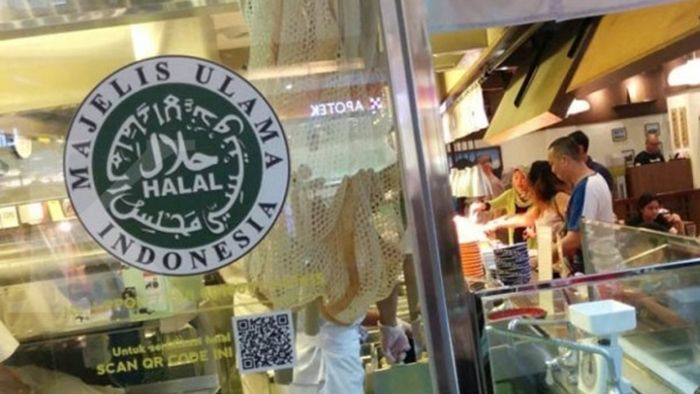
Fortunately, several bakeries and restaurants in Indonesia have received halal certification and now offer Dubai chocolate-inspired treats. For those interested in making their own version, it’s essential to ensure that all ingredients are halal-certified by checking the packaging for the halal label.
In conclusion, as Dubai chocolate continues to capture the hearts and taste buds of many, understanding its halal integrity is crucial for Muslim consumers. With careful consideration of ingredients and production processes, this delightful treat can be enjoyed while adhering to dietary guidelines.
Original Article:
Halal Focus. (2025, March 26). Dubai chocolate: What is the critical point of halalness? Halal Focus. https://halalfocus.com/dubai-chocolate-what-is-the-critical-point-of-halalness/