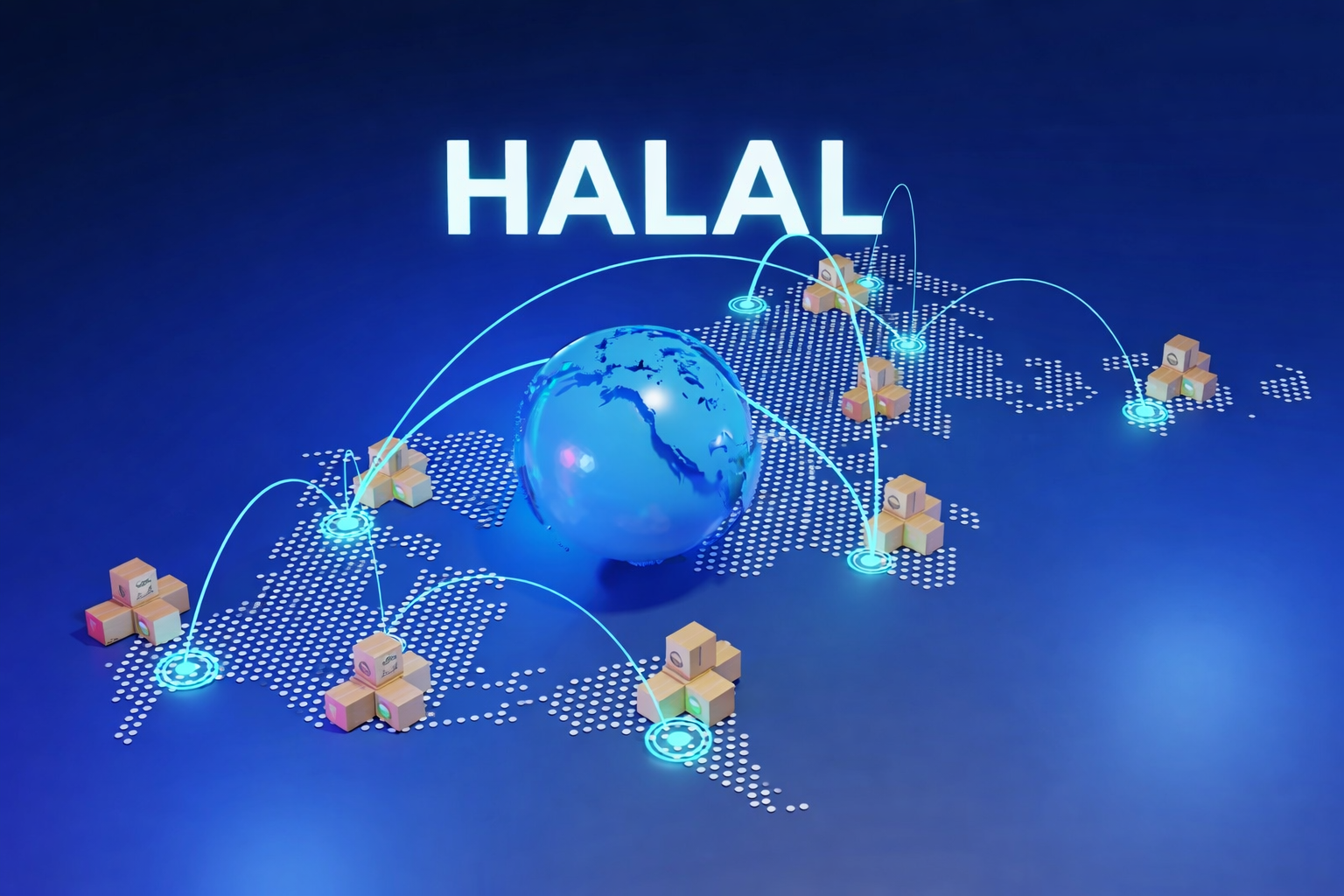
The Rise of Ethical Islamic Finance: Reshaping Global Investment Landscapes
JAKARTA – The international financial sector is experiencing a profound transformation as Islamic finance emerges as a dominant force, driven by growing demand for ethical and Shariah-compliant investment solutions. This remarkable shift represents more than religious accommodation—it signals a fundamental change toward sustainable, value-based capitalism that is attracting investors far beyond Muslim communities.
Recent industry analysis reveals an extraordinary trajectory of growth, with Islamic financial assets nearly doubling from approximately $2 trillion in 2015 to an impressive $4.9 trillion by 2024. This unprecedented expansion demonstrates the increasing appetite for investment products that align with both financial returns and moral principles.
Central Asia Conference Highlights Market Momentum
The significance of this financial revolution was underscored at a recent investment summit in Kazakhstan’s capital, Astana, where leading Shariah finance expert Mufti Muhammad Ibrahim Essa addressed the ITS Ideas 2025 conference. The event, hosted by Kazakhstan’s prominent international trading platform ITS, brought together industry leaders to explore the expanding landscape of ethical investment opportunities.
ITS, which provides investors access to over 3,000 trading instruments from U.S. stock exchanges, represents the growing infrastructure supporting Islamic finance’s global expansion. The platform’s commitment to Shariah-compliant products reflects the broader industry recognition of this market segment’s potential.
Expert Insights on Market Dynamics
Mufti Essa, who serves as CEO of Alhamd Shariah Advisory Services and maintains advisory roles with prestigious institutions including Lloyd’s of London’s Atrium Underwriting Syndicate, provided compelling insights into the sector’s trajectory. His extensive experience across multiple markets—including positions as Sharia Board Chairman for United Bank Limited in Pakistan and Hayat Bank in Uzbekistan—offers unique perspective on global Islamic finance trends.
“The disciplined approach of Islamic investors toward halal, ethical investment options has captured international attention, creating unprecedented opportunities across diverse sectors,” Essa observed. “From sukuk markets to Islamic fintech solutions and takaful insurance products, we’re witnessing comprehensive ecosystem development.”
The expert’s projections suggest continued robust growth, with Islamic finance markets expected to surpass the $5 trillion milestone in 2025, reinforcing the sector’s position as a major component of global financial markets.
Expanding Global Infrastructure
The proliferation of Shariah-compliant investment products is evidenced by the existence of over 4,500 dedicated indexes worldwide, remarkably including numerous offerings in non-Islamic countries. This geographical diversity underscores the universal appeal of ethical investment principles and the recognition of Islamic finance’s commercial viability.
A notable example is the ITS Shariah Index, launched in 2023, which tracks 30 carefully selected international companies meeting strict Shariah compliance standards. The subsequent introduction of dollar-denominated ETFs linked to this index demonstrates the practical implementation of Islamic investment principles in accessible, modern financial instruments.
Mufti Essa’s involvement in developing the ITS halal investment bloc highlights the collaborative effort between religious scholars and financial technologists to create authentic, compliant products that serve contemporary investment needs.
Core Principles Driving Market Appeal
The foundation of Islamic finance rests on several key prohibitions that have gained broader appeal in an era of increased focus on sustainable and ethical business practices:
Prohibition of Riba (Interest)
The elimination of interest-based transactions promotes equity-based financing models that align investor and business interests, reducing systemic financial risks.
Avoidance of Gharar (Excessive Uncertainty)
The restriction on speculative investments encourages transparency and reduces market volatility, appealing to risk-conscious investors seeking stable returns.
Ethical Sector Screening
The exclusion of investments in alcohol, gambling, conventional banking, weapons manufacturing, and other harmful industries aligns with growing ESG (Environmental, Social, Governance) investment trends.
These principles create investment portfolios that not only comply with Islamic law but also appeal to socially conscious investors regardless of religious affiliation.
Demographic Drivers and Market Potential
The global Muslim population’s growth trajectory provides substantial demographic support for continued Islamic finance expansion. With nearly 2 billion Muslims worldwide following a 21% increase between 2010 and 2020, this community now represents approximately 25.6% of global population.
This demographic shift, combined with increasing wealth among Muslim communities and greater financial literacy, creates a expanding customer base for Shariah-compliant financial products and services.
Regional Growth Opportunities in Central Asia
Central Asia presents particularly compelling opportunities for Islamic finance development, given the region’s predominantly Muslim populations and growing economic development needs. Countries including Kazakhstan, Tajikistan, and Turkmenistan are demonstrating increased interest in Shariah-compliant investment solutions, driven by both local demand and requirements for development financing.
Kazakhstan’s hosting of the ITS Ideas conference reflects the country’s strategic positioning as a financial hub connecting Islamic finance with broader international markets, leveraging its unique geographic and cultural position between East and West.
Diversification of Islamic Investment Instruments
Contrary to misconceptions about limited investment options under Islamic principles, the sector now offers comprehensive product diversity matching conventional finance offerings:
Equity Investments
Shariah-compliant stock funds provide exposure to global markets while maintaining ethical standards, offering competitive returns without compromising religious principles.
Sukuk (Islamic Bonds)
These asset-backed securities provide fixed-income investment opportunities through profit-sharing arrangements rather than interest payments, creating stable income streams for institutional and individual investors.
Private Equity and Venture Capital
Islamic private equity funds support entrepreneurship and business development while adhering to Shariah principles, particularly valuable for supporting Muslim-majority economies.
Real Estate Investment Trusts (REITs)
Property-based investments comply naturally with Islamic principles while providing portfolio diversification and inflation protection.
Technology Integration and Innovation
The integration of modern financial technology with Islamic principles has accelerated market development, making Shariah-compliant products more accessible and competitive. Digital platforms, robo-advisors, and mobile applications now offer sophisticated Islamic investment solutions that rival conventional alternatives.
Fintech innovation has particularly benefited Islamic banking and investment services, reducing costs and improving accessibility while maintaining strict compliance with religious requirements.
Sustainable Investment Alignment
The natural alignment between Islamic finance principles and sustainable investment criteria has attracted growing attention from ESG-focused investors. Islamic finance’s inherent emphasis on ethical business practices, social responsibility, and risk-sharing creates synergies with contemporary sustainable finance movements.
This convergence suggests continued growth potential as mainstream investors increasingly prioritize ethical considerations alongside financial returns, expanding the market beyond traditional Muslim investor base.
Future Outlook and Market Implications
The trajectory toward the projected $5 trillion market size reflects several converging trends: growing Muslim wealth, increased financial sophistication, improved product accessibility, and broader recognition of ethical investment principles.
Industry experts anticipate continued expansion of Islamic finance infrastructure, including more sophisticated products, expanded geographic reach, and deeper integration with conventional financial systems. The involvement of major international financial institutions in developing Islamic products suggests mainstream acceptance and continued growth.
Global Financial Integration
As Islamic finance approaches mainstream acceptance, its influence on global financial practices grows. The sector’s emphasis on asset-backed investments, risk-sharing, and ethical business practices offers valuable lessons for broader financial system stability and sustainability.
The integration of Islamic finance principles with international markets creates opportunities for more resilient, ethical financial systems that serve diverse global communities while maintaining competitive performance standards.
Conclusion: Beyond Trends to Transformation
The remarkable growth of Islamic finance represents more than a market trend—it signifies a fundamental shift toward value-based financial systems that prioritize ethical considerations alongside profit maximization. With continued scholarly support, technological innovation, and growing global acceptance, Islamic finance is positioned to play an increasingly central role in shaping the future of global investment.
As markets evolve toward greater sustainability and ethical accountability, the principles underlying Islamic finance offer a proven framework for balancing commercial success with social responsibility, positioning this sector for continued expansion and influence in global financial markets.
Original Article:
Halal Times. (2025, September 5). Global Shift Towards Islamic Investment: An Ethical Financial Revolution. Retrieved from https://www.halaltimes.com/global-shift-towards-islamic-investment-an-ethical-financial-revolution/