Halal Pharmaceuticals: The Unifying Force Transforming Global Medicine Trade
A Groundbreaking Initiative Tackles Fragmentation
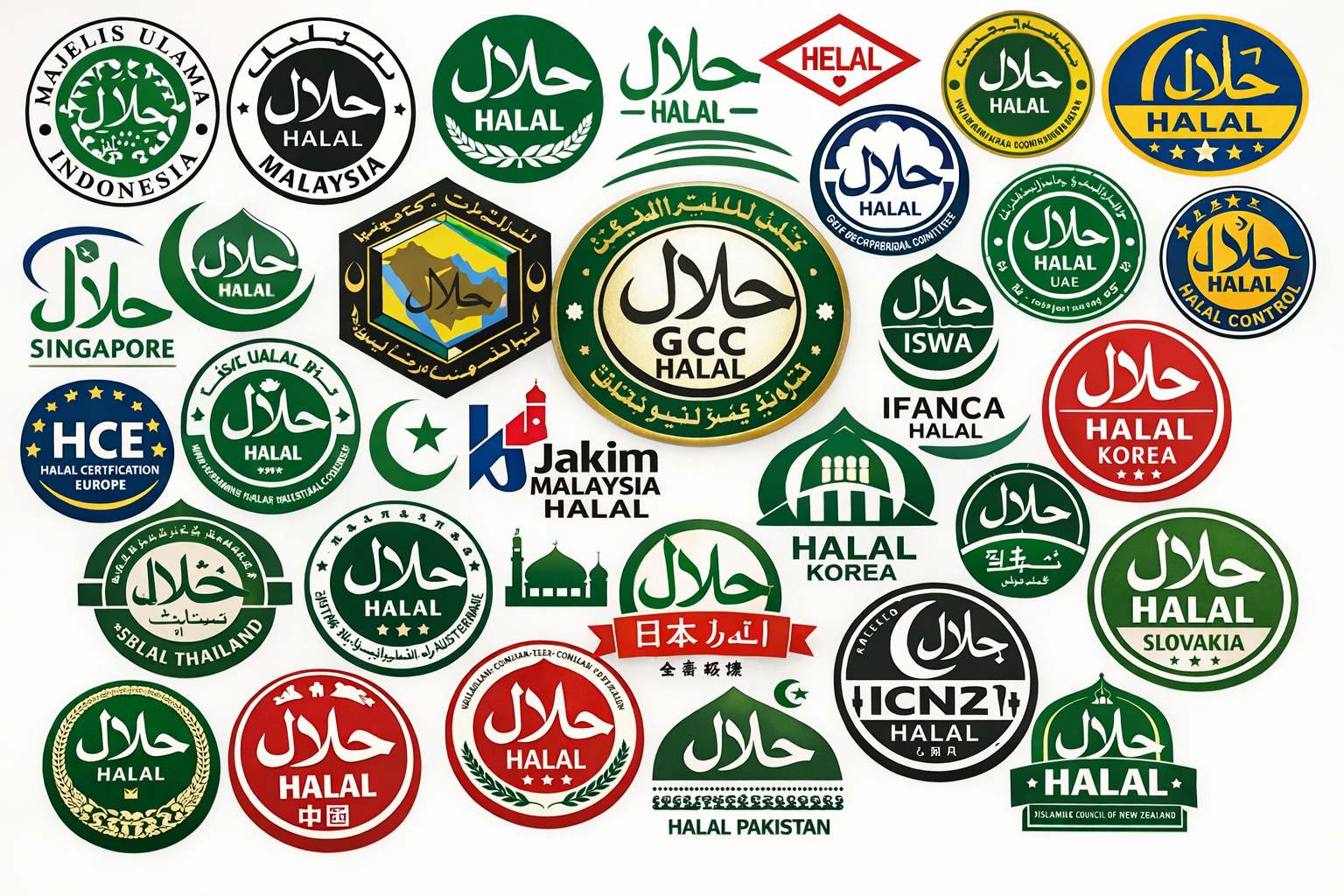
The world stands at the threshold of pharmaceutical history as the first international halal standards for biopharmaceuticals, vaccines, nutraceuticals take shape—potentially revolutionizing how medicines are traded, certified, trusted worldwide. Led by Istanbul’s Standards and Metrology Institute for Islamic Countries (SMIIC), the ambitious initiative addresses a deeply fragmented system. Success could slash costs, accelerate innovation, unlock markets extending far beyond Muslim-majority nations.
Dr. Tariq Ali, professor chairing pharmaceutics at Dow University of Health Sciences in Pakistan, explains that by ensuring the production of safe, high-quality halal-certified medicines, a unified standard can strengthen patients’ confidence in the products they use. Such global standardization, he argues, might even establish free-trade frameworks among Muslim nations—streamlining supply chains while encouraging collaborative drug development. Ali elaborates that in turn, stronger research plus development efforts will flourish—not only in pharmaceuticals but also in biological product manufacturing.
The Complexity Problem
Currently, global halal pharmaceutical sectors remain scattered across competing standards. Dr. Mohammed Ali Alsheikh Wace, Specialist alongside Technical Assistant at SMIIC, which operates under the Organisation of Islamic Cooperation (OIC) with 45 member states, notes that exporting medicines between countries already proves far more complex than other products. He explains that pharmaceuticals demand special registration with health ministries or food and drug authorities to demonstrate safety, quality, efficacy. The process involves extensive documentation plus, frequently, factory inspections.
Wace observes that halal certification compounds difficulties, noting that when multiple national or regional halal standards exist, confusion, elevated costs, additional inspections plague producers. He points out that the problem already exists in halal food, where differing national standards coexist alongside the OIC/SMIIC standard.
Rare Window for Alignment
Unlike halal food sectors, pharmaceuticals present an unusual opportunity for early harmonization. So far, only Malaysia alongside Pakistan have introduced national halal pharmaceutical standards. Wace explains that the timing gives OIC/SMIIC 50 standard a strategic advantage. The framework encompasses three components spanning General Requirements for Halal Pharmaceuticals (50-1), Biopharmaceuticals/Vaccines (50-2), Nutraceuticals with Related Products (50-3).
General requirements (50-1) appeared in 2022. The remaining two standards are currently under development—crucially, they will establish global benchmarks within their categories. Wace emphasizes that notably, SMIIC 50-2 plus 50-3 will become the first international standards in their fields, with no existing national equivalents. He states that the situation provides unique opportunities for global harmonization. He adds that companies complying with these standards will find their products gaining acceptance across borders more readily. Cost reductions will follow while innovation accelerates as firms concentrate on developing new products without navigating conflicting national requirements.
Implementation Challenges Persist
Yet adoption of OIC/SMIIC 50-1 has progressed slowly. Wace reveals that an OIC-member accreditation body must accredit halal certification bodies (HCBs). The process requires registering halal pharmaceuticals as a new field while paying additional evaluation fees. He notes that high costs discourage many HCBs from applying, especially as company certification requests remain limited.
Most active firms produce dietary supplements, typically certified under OIC/SMIIC 1—the general halal food standard—given its simpler regulatory requirements. Wace clarifies that regulations for dietary supplements prove much simpler compared to full pharmaceutical products, so companies often choose that route instead of adopting OIC/SMIIC 50. He states that another significant obstacle involves dedicated halal-only production lines, describing certification as a major barrier for many manufacturers.
Momentum Builds Despite Obstacles
Despite these hurdles, the halal pharmaceutical sector gains traction. Egypt, Nigeria, the UAE, Saudi Arabia, Pakistan rank among OIC members strengthening regulatory frameworks for halal pharmaceuticals. Azerbaijan has adopted the OIC/SMIIC 50-1:2023 standard, while Indonesia introduced comprehensive halal manufacturing guidelines for drugs, biological products, medical equipment.
Wace reports that each year more companies show interest, with trends indicating gradual but stable expansion in OIC/SMIIC 50-1 application. He notes that transportation falls outside standard coverage, instead addressed through the halal supply chain series (OIC/SMIIC 17).
Industry Partnerships Drive Progress
Collaborative ventures accelerate momentum. In 2024, Duopharma Biotech partnered with Universiti Kebangsaan Malaysia to advance halal healthcare standards, producing the first halal-certified oncology drugs alongside the world’s first halal-certified biosimilar.
Dr. Ali stresses that long-term progress depends on global cooperation. He emphasizes that establishing a truly globally accepted framework for the halal pharmaceutical industry requires mutual understanding, collaboration, standardization among countries. He adds that continued research plus innovation will also play vital roles in advancing the sector. He believes that achieving the vision will demand sustained effort, time, strong commitment from all global stakeholders.
Specialized Sectors Lead Adoption
Wace anticipates demand rising initially across specialized areas. He predicts that based on studies with experience, the first significant demand will emerge for heparin alongside low molecular weight heparins, followed by certain vaccines. He suggests that these areas will likely drive innovation waves plus certification within the next three to five years.
According to the State of the Global Islamic Economy Report 2024/2025, Muslim consumer spending on pharmaceuticals rose to $107.1 billion in 2023, up slightly from $106.9 billion in 2022. The market projects growth to $149 billion by 2028. With Muslim populations growing alongside rising halal compliance awareness, the question isn’t whether global standards will take hold—but when. Wace concludes that the Muslim population represents a large, growing market, with increasing awareness naturally expanding demand for halal-compliant medicines. He believes it’s therefore only a matter of time before a global framework is established.
Original Article:
Hashem, H. (2025, October 7). Halal pharmaceuticals offer a rare chance at global harmonization. Salaam Gateway. Retrieved from https://salaamgateway.com/story/halal-pharmaceuticals-offer-a-rare-chance-at-global-harmonization