Essential Market Entry Blueprint for Food Companies Targeting Saudi Arabia
Four Critical Success Factors in the Kingdom’s Booming F&B Sector
The Middle East has experienced remarkable economic expansion alongside population surges over the past decade, positioning Saudi Arabia as a premier destination for food and beverage development within the region.
This growth trajectory stems from demographic dynamics combined with governmental initiatives including trade liberalization and Saudi Arabia’s Vision 2030, which emphasizes retail modernization while attracting numerous international brands.
Key Population Indicators:
- Approximately 35 million residents with continuing growth
- 70-75% of the populace under 26 years old
- Predominantly Muslim demographic composition
What essential knowledge must food brands possess to successfully enter and flourish in this expanding marketplace? Below are the top priorities:
Religious Compliance Through Certification, Strategic Local Alliances
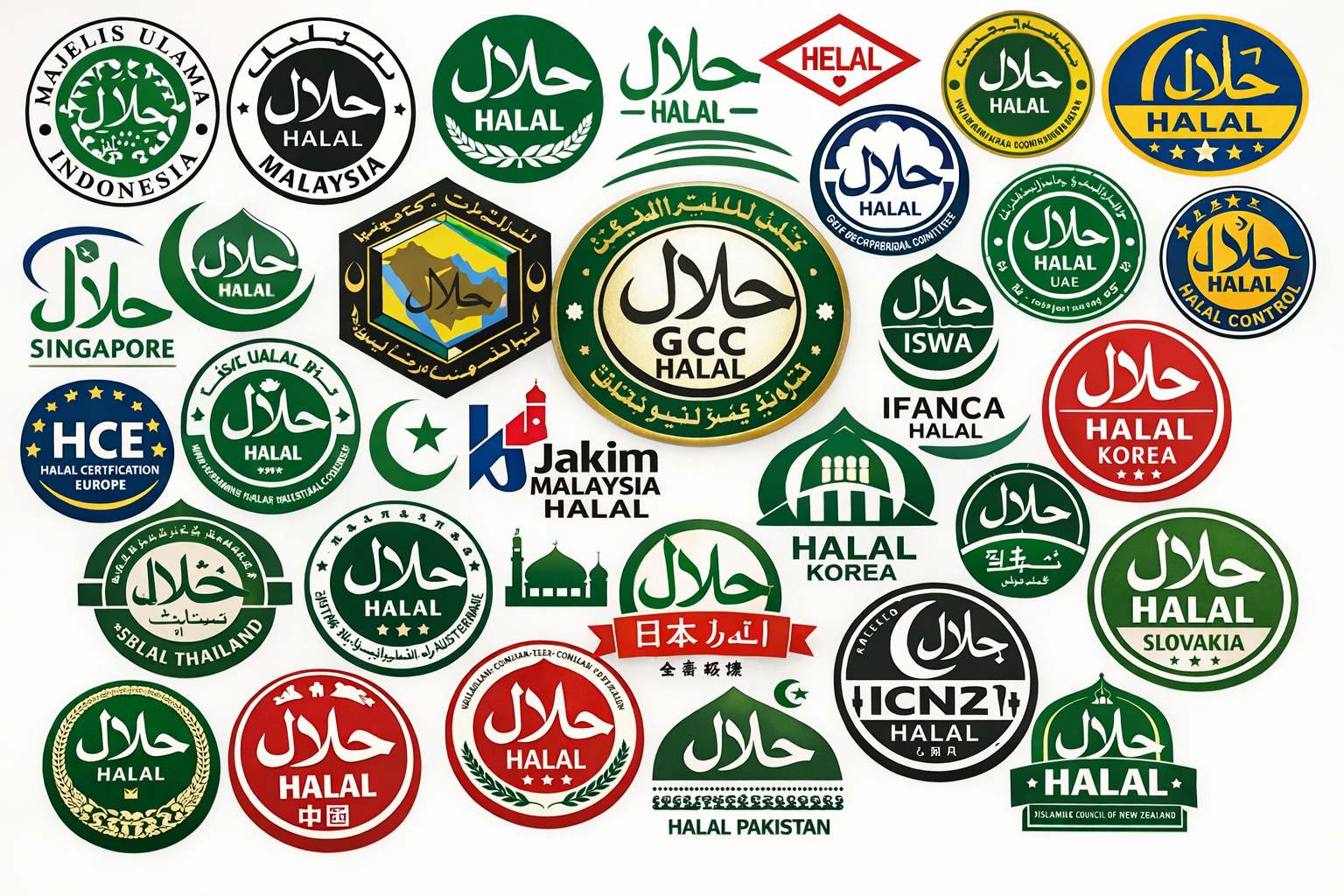
The overwhelming majority of Saudi Arabian consumers practice Islam, making halal certification an absolute requirement for brands seeking market penetration.
“Apart from seeking the relevant halal certification, brands also need to ensure continuing compliance with Saudi Food and Drug Authority (SFDA) regulations,” stated Ahmad BinDaWood, CEO of Saudi grocery retailer BinDaWood.
He emphasized that navigating these requirements proves complicated for newcomers, necessitating local partnerships with regulatory expertise alongside consumer preference understanding.
Regional collaborations prove vital for identifying which products perform optimally in specific geographical segments, as market tastes vary considerably across territories.
“Saudi Arabia is a large country and there can be considerable regional variations in the consumer shopping behaviour throughout the whole geography,” BinDaWood explained, noting that beverage success in eastern regions may not translate to western areas without local market intelligence.
Supply Chain Management Represents Primary Operational Hurdle
Saudi Arabia’s notorious hot, arid climate makes logistics inevitably among the most formidable challenges confronting food companies.
“Cold chain and logistics are of course a big challenge, but can also be a big opportunity,” remarked Majed Al Tahan, CEO of e-commerce platform Danube Online.
He suggested that companies specializing in fresh, difficult-to-deliver items gain competitive advantages by successfully navigating these supply chain complexities.
Challenging deliveries demand effective deployment of distribution hubs, temperature regulation systems, and retailer partnerships ensuring product freshness maintenance.
“Maintaining freshness, especially for frozen foods, requires robust cold chain logistics with constant temperature monitoring,” Al Tahan noted, adding that immediate product replacement following compromised shipments proves essential for preserving consumer confidence.
Fresh Product Demands Rise Without Premium Pricing Tolerance
Cold chain logistics importance connects directly to escalating consumer expectations for fresh food offerings throughout the market.
“We are definitely seeing the freshness element become more and more important which of course increases the challenges involved as the weather becomes hotter,” Al Tahan observed.
Significantly, Saudi consumers typically refuse paying premiums for enhanced freshness—any surcharge attempts face poor reception, forcing companies to absorb these expenses while providing complimentary delivery.
Internalizing fresh product logistics costs constitutes a competitive necessity within this marketplace, applying equally to frozen or chilled merchandise.
“There is a good amount of competition here, so if we do not absorb these costs it will be difficult to remain competitive in the Saudi Arabian e-grocery market,” he acknowledged.
Market Testing Precedes Investment, Omnichannel Approach Essential
Given variable product preferences alongside logistical complications, BinDaWood encouraged Saudi-interested companies to conduct market trials before substantial capital commitments.
“It is strongly recommended to test the market with limited quantities of your food or beverage product before moving into large-scale distribution here,” he advised.
He recommended initiating online channel launches due to post-pandemic e-commerce expansion, while stressing that physical stores remain critical for providing tactile product experiences enhancing conversion rates.
Omnichannel retail blending online-offline sales has become fundamental within Saudi commerce, with younger consumer growth driving transitions from traditional trade (wet markets) toward modern trade (supermarkets, hypermarkets).
“With the country opening up, going to the supermarkets and department stores are important to locals in terms of checking out what’s new and what trends are hottest, and this is not something that is going away any time soon,” BinDaWood concluded.
Original Article:
Neo, P. (2025). 4 things food brands must know to enter Saudi Arabia. FoodNavigator-Asia. Retrieved from https://www.foodnavigator-asia.com/Article/2025/07/28/4-key-things-food-brands-must-know-to-enter-saudi-arabia/