Café Spaces as Halal-Friendly Third Places: Youth Culture, Social Change, and Lifestyle Consumption in Post-Vision 2030 Saudi Arabia
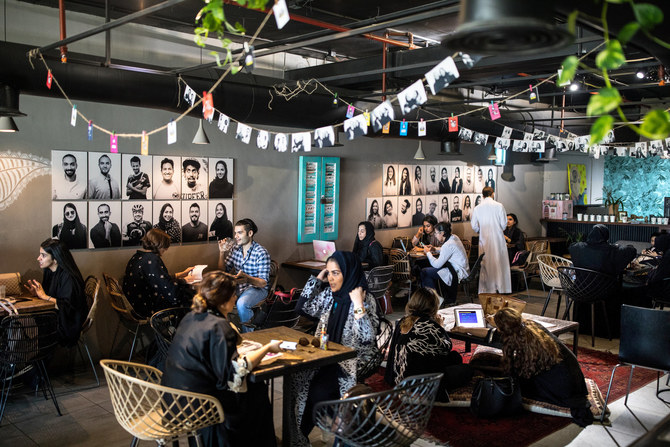
(Photo by: Arab News)
Depok, Indonesia – Coffee has long been embedded in Saudi Arabian cultural life. Traditional qahwa served in dallahs remains central to hospitality, kinship, and ritual gatherings. However, in the last decade—especially since the launch of Vision 2030—coffee consumption has shifted from domestic ritual practices to dynamic, commercial, and youth-centered café spaces. This transformation mirrors global patterns in which cafés have become social hubs, yet in Saudi Arabia, they evolve within Islamic norms and cultural expectations.
Drawing on international research on café culture and social spaces (Ferreira et al., 2021; Noaime et al., 2025) and regional insights into Saudi café-going behavior (Alkhumashi, 2025), this article examines how cafés in Saudi Arabia function as halal-friendly third places. These spaces enable youth to negotiate identity, practice socially acceptable leisure, and participate in new forms of community within the parameters of Vision 2030.
The Changing Coffee Landscape in Saudi Arabia
The café boom and market transformation
Saudi Arabia’s café sector—valued at USD 6.14 billion in 2024—continues expanding alongside demographic and cultural change. Young Saudis, who make up more than 60% of the population, increasingly seek public leisure spaces that balance modern lifestyles and Islamic values. This aligns with Ferreira et al. (2021), who note that globally, cafés have become “spaces of connection, community, and consumption,” especially for youth in urban settings.
In cities like Riyadh, Jeddah, and Dammam, the rise of specialty cafés, micro-roasters, concept stores, and hybrid study-work cafés reflects a growing demand for informal, accessible, and aesthetically appealing social environments.
Institutional support under Vision 2030
The establishment of the Saudi Coffee Company in 2022 signals a strategic move to cultivate domestic coffee production, build a national coffee identity, and support youth entrepreneurship. Vision 2030’s broader social and economic reforms encourage the growth of café-based businesses—many of which are youth-owned—mirroring Noaime et al.’s (2025) findings that café culture contributes to urban vitality and the transformation of public realms in Gulf cities.
Cafés as Third Places in the Saudi Context
Neutrality, accessibility, and communal belonging
Oldenburg’s concept of the third place describes public spaces where people gather informally outside home and work. While initially developed in Western contexts, the concept is relevant in Saudi Arabia, where café spaces offer socially structured, halal-friendly environments.
Alkhumashi (2025) finds that cafés in Saudi Arabia play a significant role in shaping social values, offering acceptable public venues for interaction under culturally regulated norms. Their alcohol-free, halal-compliant environment aligns with religious expectations, making them comfortable and legitimate meeting places for youth, women, university students, and emerging creative communities.
Negotiating identity: between global and local
Many Saudi cafés intentionally blend traditional design elements—like majlis seating, gahwa service, or Arabian décor—with global specialty coffee aesthetics. This hybridization demonstrates what Ferreira et al. (2021) call the merging of “local identity and global consumer practices.”
For youth, visiting cafés becomes a symbolic activity:
- expressing modernity,
- participating in global coffee culture,
- while still affirming Islamic values and cultural heritage.
This negotiation is central to post-Vision 2030 identity formation.
Youth Culture, Lifestyle Consumption, and Social Change
Public leisure and emerging youth identities
Vision 2030 has opened broader opportunities for public leisure, arts, entertainment, and social engagement. Cafés—especially those with study corners, coworking setups, or creative event programs—have become default “hangout” locations for young Saudis.
Alkhumashi’s (2025) study highlights that, for many Saudi youths, café-going is linked to values of community, self-expression, social discipline, and belonging. This aligns with global findings by Ferreira et al. (2021) regarding how cafés shape social routines, urban identity, and lifestyle aspirations.
Halal-friendly lifestyle consumption
The halalness of Saudi cafés goes beyond food certification. It encompasses:
- modest social behavior,
- regulated mixed-gender interaction,
- atmospheres that encourage respect,
- avoidance of alcohol or high-risk entertainment.
This reflects broader halal lifestyle dynamics described in regional literature: consumption as both ethical and identity-driven. Cafés become a way for youth to enjoy cosmopolitan leisure while staying aligned with Islamic values.
Entrepreneurship and economic participation
The café boom has created a fertile environment for youth entrepreneurship, particularly among women who increasingly enter the coffee sector as baristas, managers, or owners. Noaime et al. (2025) note that café culture across Gulf cities expands economic diversity and enhances the vibrancy of public spaces—consistent with Vision 2030’s emphasis on innovation, SMEs, and non-oil industries.
Tensions and Challenges
Commercialization vs. heritage preservation
The rapid spread of specialty cafés has sparked debate over whether modern café culture might overshadow traditional gahwa rituals. Similar tensions are observed in urban café transformations globally (Ferreira et al., 2021) and within Gulf cities seeking to balance modern development with cultural preservation (Noaime et al., 2025).
Market saturation
With cafés opening weekly, competition intensifies. High operating costs, shifting consumer preferences, and the pressure for visually appealing “Instagrammable” interiors pose challenges for small independent cafés.
Generational negotiation
While youth embrace café spaces, older generations may express ambivalence—especially regarding mixed-gender interaction, late-night gatherings, or Westernized aesthetics. Alkhumashi’s (2025) findings show that café practices interact with deeply rooted values, making intergenerational negotiation inevitable.
Conclusion
Cafés in Saudi Arabia have become key halal-friendly third places in the post-Vision 2030 era. They support youth identity formation, provide socially acceptable leisure spaces, nurture entrepreneurship, and foster community engagement. Through hybrid aesthetics and halal-compliant environments, they bridge global modernity and local Islamic tradition.
As Saudi Arabia continues navigating economic diversification and cultural renewal, cafés symbolize a broader societal shift—where modern lifestyles and halal values coexist and reinforce each other.
References
Noaime, E., Alalouch, C., Mesloub, A., Hamdoun, H., Gnaba, H., & Alnaim, M. (2025). Sustainable cities and urban dynamics: The role of the café culture in transforming the public realm. Ain Shams Engineering Journal, 16(3), Article 103320.
Ferreira, J., Ferreira, C., & Bos, E. (2021). Spaces of consumption, connection, and community: Exploring the role of the coffee shop in urban lives. Geoforum, 119(1), 21–29.
Alkhumashi, J. S. (2025). The reality of going to cafés and its relationship to some societal values in Saudi society. Dirasat: Human and Social Sciences, 52(3).