Ideal Family According to the Qur’anic Perspective
Introduction
In Islam, the family is seen as the most basic and important unit of society. It is the first environment where individuals begin to learn about beliefs, values, and proper behavior. From early childhood, a person’s character is shaped through interaction within the family. Because of this, the Qur’an provides guidance on how families should be built so they can create individuals who are morally and spiritually strong.
Characteristics of an Ideal Family
According to the Qur’anic perspective, an ideal family is one that lives according to Islamic teachings in all aspects of life. This means that religion is not only practiced during worship, but also reflected in daily actions, attitudes, and decisions.
A key characteristic of such a family is taqwa (piety). Taqwa helps family members stay aware of Allah in everything they do, which leads them to make better choices and avoid harmful behavior. A family built on faith is more likely to achieve peace and happiness, both in this life and in the hereafter.
Another important aspect is practicing Islam completely (kaffah). This means that Islamic values should guide all areas of life, including relationships, responsibilities, and decision-making. Families are expected to live consistently with these values, not only at certain times but continuously.
Consistency (istiqamah) is also essential. Maintaining good values is not always easy, especially when facing challenges. However, a strong commitment to Islamic principles helps families remain stable and focused on their purpose.
Balance Between Worldly and Spiritual Life
The Qur’an emphasizes the importance of balance in life. An ideal family does not focus only on material success or worldly goals, but also prepares for the hereafter.
This balance allows family members to live responsibly in this world while staying connected to their spiritual purpose. It prevents them from becoming too focused on temporary achievements and reminds them of their long-term goals.
Roles and Responsibilities within the Family
Each member of the family has specific roles that support the overall harmony of the household. The father is generally responsible for providing financial support, protection, and leadership. He also plays a role in guiding the family in religious matters.
The mother has a very important role in nurturing and educating the children. She is closely involved in the children’s daily life, making her influence strong in shaping their behavior and attitudes.
Children, as developing individuals, need guidance that matches their stage of growth. They rely on their parents for direction, support, and example. When each member fulfills their role properly, the family becomes more balanced and harmonious.
The Purpose and Function of the Family
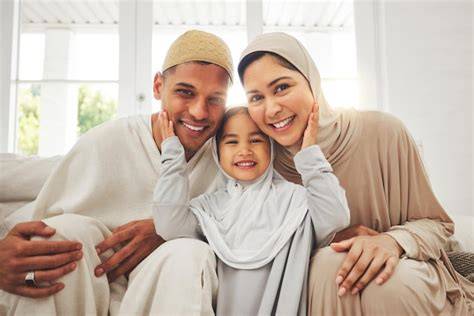
The family in Islam is meant to create a peaceful and loving environment. It is a place where individuals can feel safe, supported, and valued. Love and compassion are central elements in building strong relationships within the family.
In addition, the family serves as the first place of education. Before children interact with the wider society, they learn basic values, manners, and social skills at home. This early education plays a crucial role in shaping their future behavior.
Marriage itself has important purposes, such as creating tranquility, preventing immoral behavior, and ensuring the continuation of future generations. Through a strong family structure, individuals can grow in a healthy and guided environment.
Conclusion
In conclusion, the Qur’anic concept of an ideal family emphasizes faith, balance, responsibility, and harmony. A family that follows these principles can provide a strong foundation for individual growth. Such families not only benefit their members but also contribute to building a better and more ethical society.
Reference:
Robiansyah, F., Zahra, F. A., Lutfiah, R. S., & Zailanty, S. (2024). Islamic parenting dalam mendidik anak di era modern menurut perspektif Islam. Jurnal Wanita dan Keluarga, 5(1), 79–86.