Saudi Arabia Transforms Religious Tourism Into Economic Powerhouse
From basic tents in the 1960s to AI-powered crowd control and climate-controlled accommodations, Saudi Arabia has revolutionized the pilgrimage experience while building a $12 billion halal tourism empire that’s reshaping the global Islamic economy.
Halal Tourism Revolution Drives Economic Growth
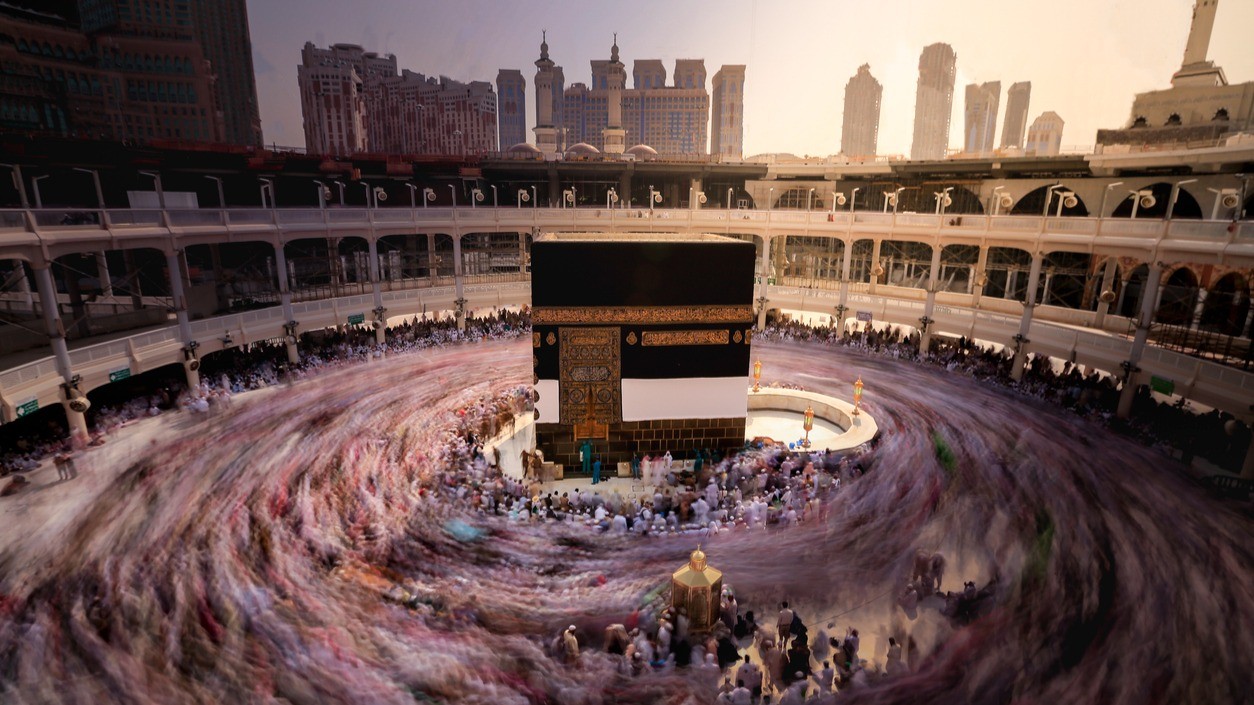
When 72-year-old Ahmad performed Hajj with his family recently, he couldn’t believe the transformation since his first pilgrimage in 1987. Gone were the days of his parents sailing from Pakistan and relying on makeshift shelters. Today’s pilgrimage experience features e-visa registration, climate-controlled tents, and real-time crowd monitoring—all part of Saudi Arabia’s ambitious plan to turn religious tourism into a major economic engine.
This transformation isn’t just about comfort—it’s about creating a sustainable, halal-compliant tourism model that serves millions of Muslims while driving economic growth. Saudi Arabia has proven that faith-based tourism can be both spiritually fulfilling and economically powerful.
Record-Breaking Numbers Show Halal Tourism’s Massive Scale
The numbers tell an incredible story of growth in halal tourism:
2024 Pilgrimage Statistics:
- Over 18.5 million pilgrims visited Saudi Arabia
- 16.9 million performed Umrah (year-round pilgrimage)
- 1.61 million completed Hajj (annual pilgrimage)
- Target: 30 million annual Umrah pilgrims by 2030
2025 Hajj Highlights:
- 1.67 million pilgrims from 171 countries
- 90% were international visitors, making it truly global
- Nearly equal gender split (878,000 men, 795,000 women)
- 8.5% of travel was by air, showing modern accessibility
For Umrah alone, 6.5 million international visitors arrived in just the first quarter of 2025—an 11% increase from the previous year. This growth comes from expanded e-visa programs covering over 60 countries and new airline routes connecting Asia and Africa to the holy cities.
Halal Economy Powerhouse Worth Billions
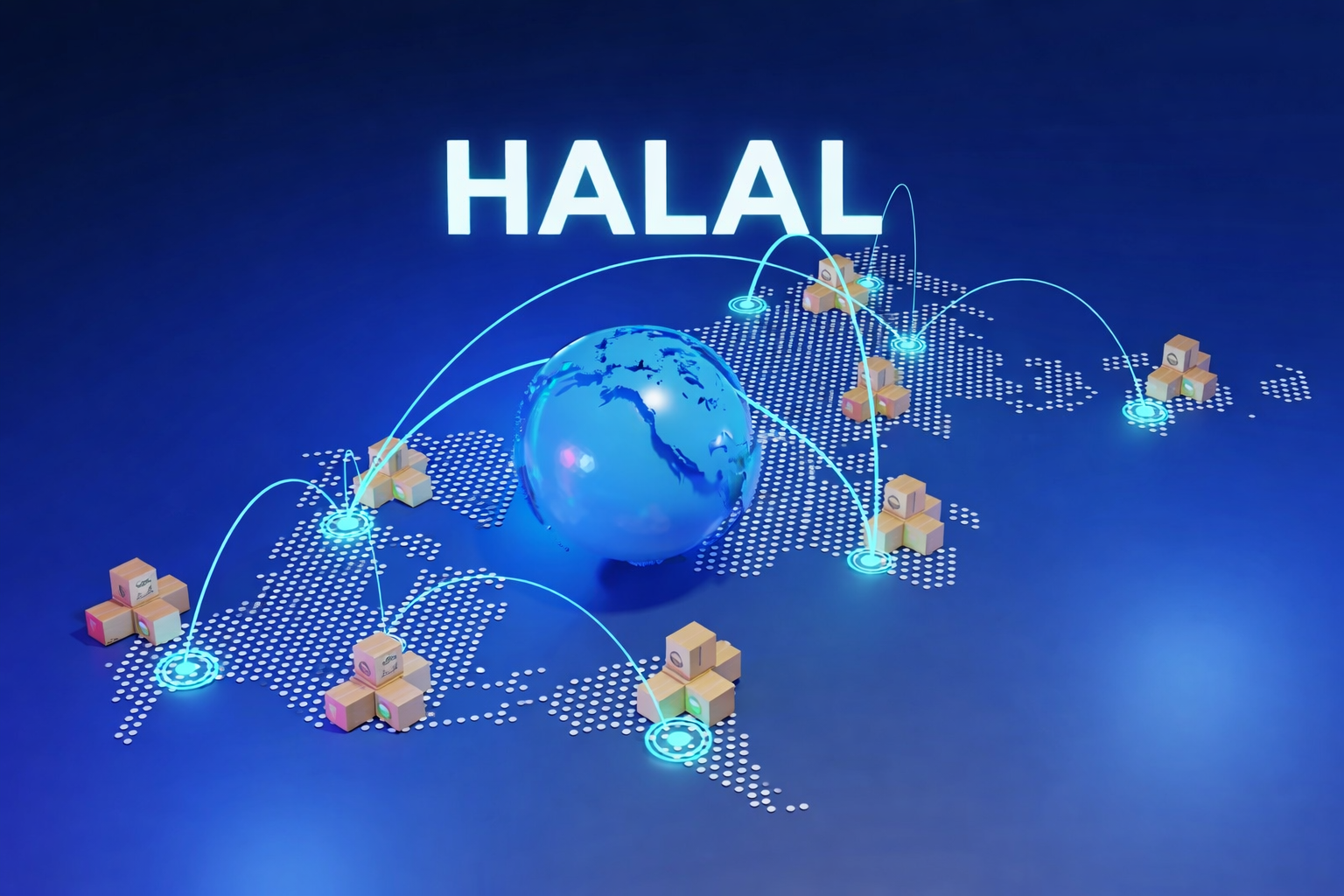
Religious tourism has become a cornerstone of Saudi Arabia’s halal economy, contributing approximately $12 billion annually. This represents:
- Nearly 20% of the non-oil economy
- Around 7% of total GDP
- Support for over 936,000 jobs (projected to reach 1.6 million by 2030)
Pilgrim Spending Patterns:
- Individual pilgrims typically spend $1,300-$4,000 per trip
- Makkah saw a 162% year-on-year spending surge during Ramadan 2025
- Food and beverages account for 27% of transactions
- Madinah experienced 64% spending growth in the same period
This economic impact extends far beyond accommodation and transport, creating opportunities in halal food services, Islamic retail, religious education, and spiritual wellness sectors.
Mega Infrastructure Projects Create Halal Tourism Cities
Saudi Arabia is investing billions in infrastructure specifically designed for halal tourism, ensuring every facility meets Islamic principles while providing world-class service.
Makkah Developments:
- Masar Destination Project: $26.6 billion investment creating 24,000 hotel rooms and 13,000 residential units
- Capacity for 158,000 additional pilgrims annually
- All facilities designed with Islamic architectural principles and halal service standards
Madinah Expansion:
- Rua Al Madinah: 1.5 million square meter redevelopment
- 47,000 new hotel keys for religious tourists
- Space for 149,000 visitors with 93,000 new jobs
Transportation Revolution:
- Haramain High-Speed Railway: Connects Jeddah airport, Makkah, and Madinah in under 45 minutes
- Mashair Metro: Moves 72,000 passengers per hour between holy sites during Hajj
- King Salman International Airport: Will handle 120 million passengers by 2030
Smart Technology Enhances Halal Pilgrimage Experience
Saudi Arabia’s “Smart Hajj” initiative uses cutting-edge technology while respecting Islamic values and traditions.
Nusuk Super-App Features:
- Over 12 million downloads in 14 languages
- Halal-certified service providers and accommodations
- Islamic prayer times and Qibla direction
- Cashless payments compliant with Islamic finance principles
- Emergency services with Arabic and Islamic cultural understanding
AI-Powered Safety and Comfort:
- 2,000+ drones monitor crowd safety during religious rituals
- Real-time crowd management prevents dangerous bottlenecks
- VR orientation programs in 10+ languages help first-time pilgrims
- RFID smart cards store personal and medical information securely
Islamic-Compliant Technology:
- All digital services respect privacy according to Islamic principles
- Technology enhances rather than disrupts spiritual focus
- Systems designed to support, not replace, traditional religious practices
Beyond Pilgrimage – Expanding Halal Tourism Experiences
The innovative “Umrah Plus” program shows how Saudi Arabia is expanding halal tourism beyond traditional pilgrimage:
Cultural Integration:
- Visits to Jeddah’s historic Al-Balad district
- Islamic heritage tours in Taif
- Halal beach resorts along the Red Sea coast
- All experiences maintain Islamic values and principles
Extended Stay Benefits:
- Average stay extended from 5 to 9 nights
- Per capita spending increased beyond $1,000
- 96-hour transit visas with complimentary halal-certified hotel stays
- Year-round demand reduces seasonal pressure
Setting Global Standards for Halal Tourism
Saudi Arabia’s transformation of religious tourism is creating a new model for the global halal tourism industry. The kingdom demonstrates that:
- Quality and Faith Can Coexist: Luxury accommodations and services can be fully halal-compliant
- Technology Enhances Spirituality: Digital tools can improve religious experiences without compromising Islamic values
- Economic Success Through Islamic Principles: Halal tourism generates massive economic returns while serving religious communities
- Scalable Model: Other Muslim nations can adapt these strategies for their own Islamic tourism sectors
Impact on Global Islamic Economy
Saudi Arabia’s religious tourism revolution extends far beyond the kingdom’s borders. It’s:
- Raising Standards: Setting new benchmarks for halal hospitality and services worldwide
- Creating Jobs: Supporting employment in Islamic finance, halal food, and religious services sectors
- Inspiring Innovation: Encouraging development of Islamic-compliant technology and service solutions
- Building Networks: Connecting Muslim entrepreneurs and businesses across 171 countries
The success proves that when Islamic values guide business strategy, the results can be both spiritually meaningful and economically transformative. As Saudi Arabia continues expanding its religious tourism capacity, it’s not just serving pilgrims, it’s showing the world how the principles of halal business can drive sustainable, inclusive economic growth.
This model offers valuable lessons for any nation or business looking to tap into the trillion-dollar global Islamic economy while staying true to Islamic principles and values.
Original Article:
Salaam Gateway. (2025, July 1). How Saudi Arabia is turning religious tourism into a growth engine. https://salaamgateway.com/story/how-saudi-arabia-is-turning-religious-tourism-into-a-growth-engine