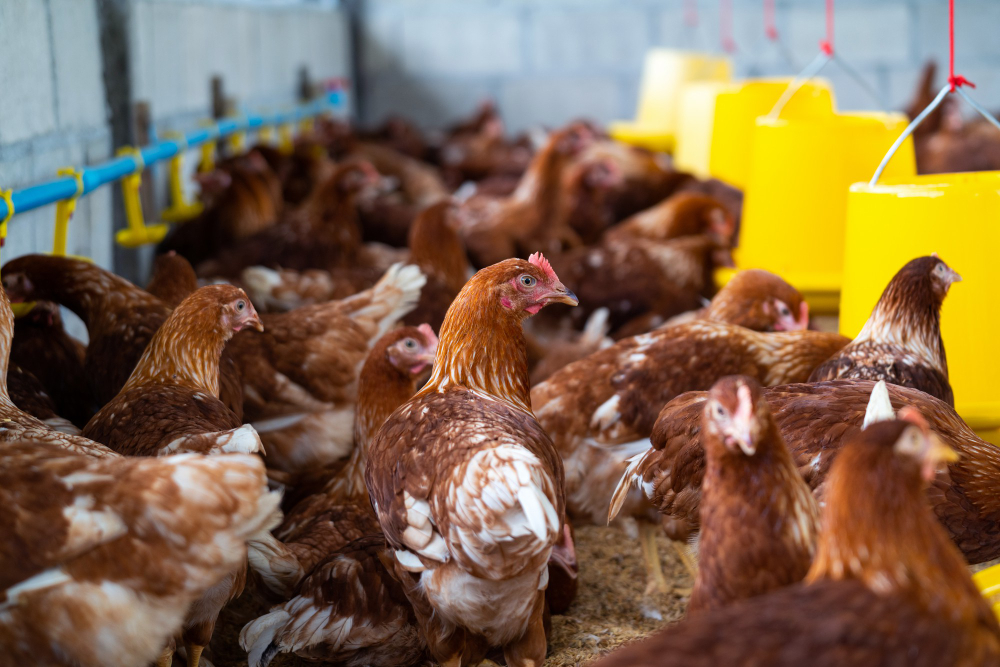
Does Halal Meat Taste Different From Regular Meat?
| By Food and Hotel Asia
Many consumers, Muslim and non-Muslim alike, often ask whether halal meat tastes different from conventional meat. While taste is highly subjective, halal meat is produced through a distinct set of ethical, dietary, and slaughtering principles that can influence texture, aroma, and overall eating experience.
Halal meat follows Islamic dietary laws that regulate how animals are raised, processed, and slaughtered. These practices focus on cleanliness, animal welfare, and blood removal, all of which may subtly affect meat quality.
What Is Halal Meat?
The word halal means “permissible” in Arabic. In the context of food, it refers to products that comply with Islamic dietary regulations.
For meat to be halal, it must come from an animal that is allowed in Islam, be healthy at the time of slaughter, and be processed using a specific method known as zabiha. This method requires the name of God to be mentioned during slaughter, a swift cut using a sharp blade, and thorough blood drainage.
Common halal meats include beef, lamb, chicken, fish, venison, and game birds
The global halal food market exceeds USD 2 trillion, reflecting growing demand beyond Muslim consumers due to perceptions of quality, ethics, and safety.
Why Some People Say Halal Meat Tastes Different?
There is no universal scientific conclusion that halal meat has a distinctly different flavor. However, several factors linked to halal practices may influence how the meat is perceived.
One key element is blood removal. Halal slaughter emphasizes complete drainage of blood, which some consumers associate with a cleaner, milder taste and reduced metallic or gamey notes.
Another factor is animal stress. Humane handling and swift slaughter may help limit stress-related biochemical changes in the meat. High stress levels before slaughter are known to affect pH balance, tenderness, and color.
That said, taste differences are not guaranteed. Breed, feed, freshness, storage, and cooking techniques often play a much larger role than halal status alone.
Does Halal Slaughter Affect Meat Quality?
Halal slaughter involves several core steps:
- A clear intention before slaughter
- Use of a sharp, defect-free knife
- A precise cut to the throat, severing major blood vessels
- Natural blood drainage from the carcass
Some studies suggest that stress before slaughter can negatively affect meat quality, causing darker color or tougher texture. Because halal slaughter prioritizes calm handling, supporters argue it may help preserve meat quality, though this is not exclusive to halal systems.
Nutritional Profile of Halal Meat
Nutritionally, halal meat is comparable to non-halal meat from the same animal type. Its value depends more on farming practices than religious certification.
Generally, halal meat provides high-quality protein, essential amino acids, vitamins such as B12 and niacin, and minerals like iron and zinc.
Lean cuts of halal meat can also be low in saturated fat, particularly when sourced from grass-fed animals.
Common Misconceptions About Halal Meat
1. Halal Meat Is Higher in Fat
Fat content depends on the animal’s diet and cut, not on halal certification.
2. Halal Meat Is Automatically Healthier
Halal status ensures religious compliance, not guaranteed nutritional superiority.
3. Halal Meat Contains No Hormones or Antibiotics
Hormone or antibiotic use is regulated by farming standards, not halal rules.
4. Blood Removal Makes Halal Meat More Nutritious
Blood drainage is a religious requirement. Nutritional value remains largely unchanged.
How to Identify Halal Meat?
Taste, smell, or appearance cannot confirm whether meat is halal. Verification relies on trusted sourcing.
Reliable ways to check include:
- Halal certification labels from recognized authorities
- Clear halal statements on packaging
- Purchasing from reputable halal butchers
- Asking restaurants about certification or suppliers
- Using official halal product databases
Halal Meat vs Non-Halal Meat: Key Differences
|
Aspect |
Halal Meat | Non-Halal Meat |
|
Slaughter method |
Islamic procedure (zabiha) |
Varies by system |
|
Blood removal |
Fully drained |
May retain blood |
|
Religious compliance |
Required |
Not required |
|
Ethical emphasis |
Strong focus |
Depends on regulation |
| Taste perception | Often described as cleaner |
Sometimes richer or gamier |
Does Halal Meat Taste Different? Final Answer
From a scientific perspective, halal meat does not inherently taste different from regular meat. Any perceived difference usually comes from factors such as animal handling, freshness, preparation style, seasoning, or personal preference.
However, the ethical framework behind halal meat, humane treatment, cleanliness, and transparency continues to attract a growing global audience. As halal food becomes more mainstream, it is increasingly viewed not only as a religious choice but also as a quality-driven option in the global food industry.
Original Article:
Food & Hotel Asia. (2025). Does halal meat taste different? https://www.foodnhotelasia.com/blog/fnb/does-halal-meat-taste-different/