Pakistan’s Mandatory Halal Certification Sparks Fears of Religious Discrimination
| By Bitter Winter
A recent report by the Christian human-rights organization Legal Evangelical Association Development (LEAD) raises concerns that Pakistan’s expanding system of mandatory halal certification is evolving beyond a religious guideline into a broad regulatory framework with exclusionary consequences. According to the report, halal requirements now extend into sectors such as food, medicine, cosmetics, banking, and manufacturing, reshaping economic participation in ways that disproportionately affect non-Muslim citizens.
Structural Barriers Facing Religious Minorities
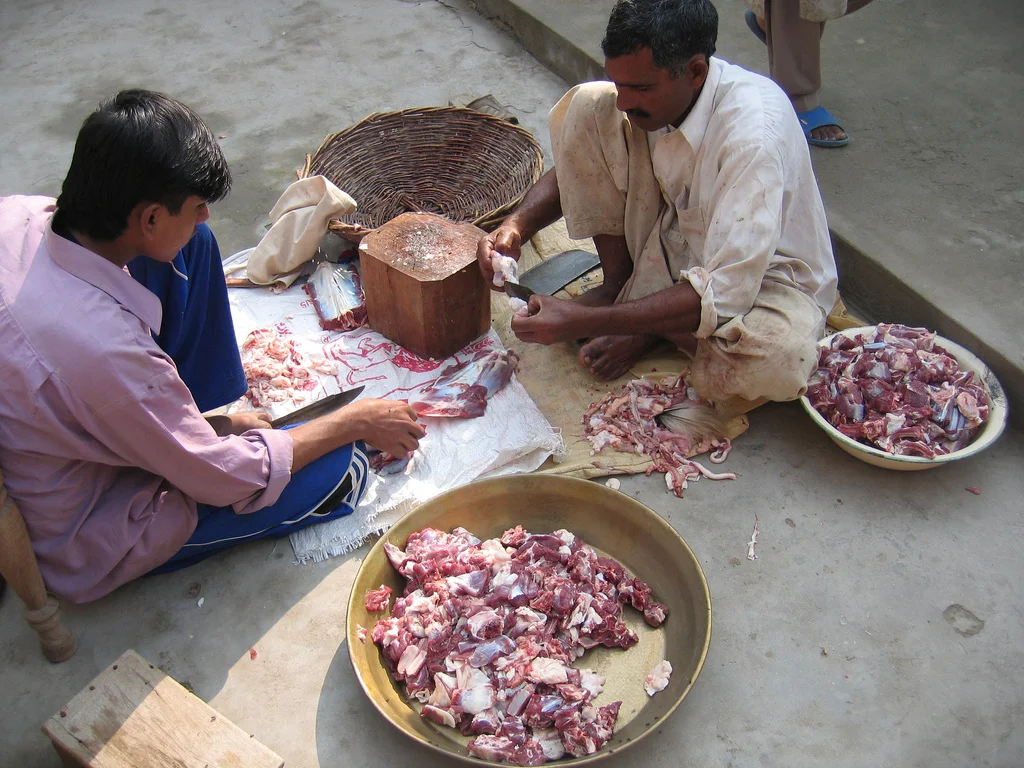
LEAD argues that halal certification in Pakistan often mandates that products be prepared, handled, or slaughtered exclusively by Muslims. These requirements, the organization says, create institutional barriers for Christians, Hindus, Sikhs, and other minorities, limiting their access to employment and business opportunities solely on the basis of religious identity.
For non-Muslim entrepreneurs and workers, this framework can translate into exclusion from entire segments of the economy, reinforcing long-standing patterns of marginalization.
Social Segregation Embedded in Daily Life
Beyond regulatory impacts, the report highlights how halal-only norms influence everyday social behavior. Practices such as refusing to consume food prepared by Christians or rejecting meat slaughtered by non-Muslims contribute to social separation and stigma, reinforcing discriminatory attitudes.
In a country where non-Muslims already face obstacles in education, employment, and public life, LEAD warns that these norms deepen economic vulnerability and normalize religious exclusion.
International Comparisons Reveal Broader Tensions
To illustrate potential social consequences, LEAD references debates in countries such as Canada, where the adoption of exclusively halal menus by some restaurant chains has drawn objections from Hindu and Sikh communities who follow different dietary traditions. While such controversies remain limited in scope abroad, the report argues that the implications are far more serious in Pakistan due to existing religious inequalities and weak minority protections.
Conflict with International Human Rights Standards
LEAD points to international legal frameworks, including the Universal Declaration of Human Rights and the International Covenant on Civil and Political Rights, which guarantee freedom of religion, equality before the law, and the right to work without discrimination.
According to the report, policies that restrict economic participation based on religious identity contradict these commitments and risk undermining Pakistan’s obligations under international human-rights law.
When Certification Becomes Coercion
The report draws a distinction between voluntary halal certification, driven by consumer choice, and mandatory halal regimes, which it argues can function as tools of coercion. When compliance becomes compulsory across industries, LEAD warns, it may fuel resentment, deepen sectarian divides, and heighten the risk of religious hostility and violence.
Calls for Policy Reassessment and Inclusive Governance
LEAD urges Pakistani authorities, international partners, and civil-society actors to reconsider mandatory halal certification frameworks. Economic systems, the organization argues, should remain inclusive and secular in operation, ensuring equal access to food, healthcare, finance, and commerce regardless of religious affiliation.
Balancing Religious Practice and Equal Citizenship
While halal dietary observance remains a fundamental aspect of Muslim religious life, LEAD cautions that transforming it into a universal national standard risks narrowing the space for pluralism. In Pakistan’s fragile social context, the report concludes, such policies may further erode the prospects of equal citizenship for Christians, Hindus, Sikhs, and other minority communities.
Source:
Bitter Winter. (2025). Pakistan: Mandatory halal certification raises new concerns about discrimination. https://bitterwinter.org/pakistan-mandatory-halal-certification-raises-new-concerns-about-discrimination/