India’s Controversial Waqf Amendment Bill: Balancing Regulation and Religious Autonomy

Source: Halal Times
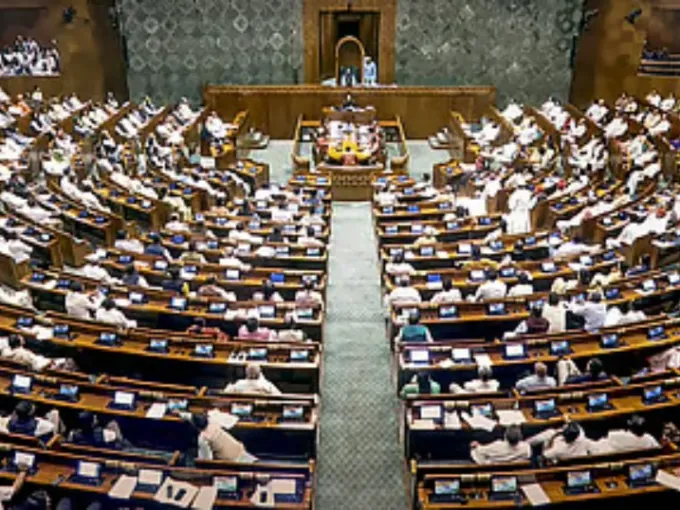
Kawaguchiko, Japan – A significant legislative battle is underway in India’s Parliament as lawmakers debate the Waqf (Amendment) Bill, 2024. This proposed legislation, championed by Prime Minister Narendra Modi’s government, aims to reform how waqf properties—endowments donated by Muslims for religious and charitable purposes—are regulated and managed across the country.
Understanding Waqf Properties
Waqf endowments constitute a vast network of assets throughout India, including mosques, religious schools, charitable institutions, and substantial land holdings. Government figures indicate there are approximately 872,351 waqf properties nationwide, covering over 940,000 acres with an estimated value of 1.2 trillion rupees ($14.22 billion). These properties, considered inalienable in Islamic tradition, have historically been managed by designated waqf boards.
Government’s Position: Accountability and Transparency
Federal Minority Affairs Minister Kiren Rijiju, presenting the revised bill on March 20, 2025, emphasized that the amendments aim to address longstanding issues of mismanagement and encroachment affecting waqf properties. The government maintains that greater oversight will improve transparency and ensure these valuable community assets fulfill their intended charitable purposes.
“The opposition is spreading misinformation about our intentions,” Rijiju stated, noting that the current version incorporates 25 changes recommended by the Joint Parliamentary Committee (JPC) that reviewed the bill after its initial introduction last August.
Opposition Concerns: Religious Autonomy at Risk
Critics have mobilized against the legislation, viewing it as potentially undermining Muslim community rights. Opposition leader Mallikarjun Kharge has pledged to unite opposition parties against what he describes as “the unconstitutional and divisive agenda of the Modi government on the Waqf Amendment Bill.”
Muslim organizations have expressed particular alarm, arguing that the bill “aims to weaken the waqf laws and pave the way for the seizure and destruction of waqf properties.”
Key Contentious Provisions
Several aspects of the proposed legislation have generated intense debate:
- Government authority to designate properties: The bill grants expanded powers to government officials in determining whether properties qualify as “waqf,” which critics fear could lead to arbitrary reclassification
- Non-Muslim board members: A provision requiring the inclusion of two non-Muslim members on waqf boards has been criticized as interference in Muslim religious affairs
- Survey and registration changes: New procedures for property surveys and registration have raised concerns about potential disputes and government overreach
Opposition members of the JPC claim their proposed amendments were largely disregarded, with preference given to changes suggested by the ruling Bharatiya Janata Party (BJP) and its allies.
Legislative Path Forward
If approved by the Lok Sabha (lower house), where the BJP-led coalition holds a majority, the bill will proceed to the Rajya Sabha (upper house) for further consideration. Should it pass both chambers, it will require President Droupadi Murmu’s assent to become law.
Broader Context of Religious Minorities in India
The debate unfolds against the backdrop of India’s complex religious landscape. As a secular democracy with a Hindu majority, India has long grappled with balancing majority interests with minority rights. Critics have accused the BJP government of pursuing policies that disadvantage religious minorities, particularly Muslims, while supporters defend its approach as promoting national development and good governance.
Economic and Social Implications
Beyond religious considerations, the efficient management of waqf properties could significantly impact social development. These assets could potentially fund educational institutions, healthcare facilities, and community services benefiting both Muslims and the broader population.
However, concerns persist about potential corruption and misuse if proper safeguards aren’t maintained. Some fear the amendments could enable land acquisition practices that divert properties from their intended charitable purposes.
Global Perspective
The management of religious endowments presents challenges across many nations. Waqf institutions have historically played crucial roles in Muslim societies worldwide but face modern challenges of adapting traditional systems to contemporary governance standards.
Finding Balance
As Parliament continues deliberations, the fundamental question remains how to balance legitimate regulatory oversight with respect for religious autonomy. The resolution of this debate will serve as an important indicator of India’s approach to religious pluralism and minority rights protection in the 21st century.
Both the government and Muslim community leaders face the challenge of finding common ground that ensures proper management of these valuable assets while respecting constitutional protections for religious institutions. As this legislative process unfolds, observers within India and internationally will be watching closely to see how these competing interests are reconciled.
Original Articles:
halaltimes.com. (n.d.). India’s Parliament Debates Controversial Bill Affecting Muslim Properties. Retrieved April 4, 2025, from https://www.halaltimes.com/indias-parliament-debates-controversial-bill-affecting-muslim-properties/