Thailand’s Halal Success Story: Lessons for Indonesia’s Untapped Potential

Source: Arab Times
Kawaguchiko, Japan – The global Muslim population continues to show significant growth year after year. In 2024, the Muslim population reached 2,022,131,798 people, increasing to 2,044,208,202 in 2025, with projections suggesting it will reach 2.8 billion by 2050. This substantial growth directly correlates with increasing demand across the halal economy, including sectors such as food and beverages, pharmaceuticals, tourism, fashion, and more.
The Global Rise of the Halal Economy
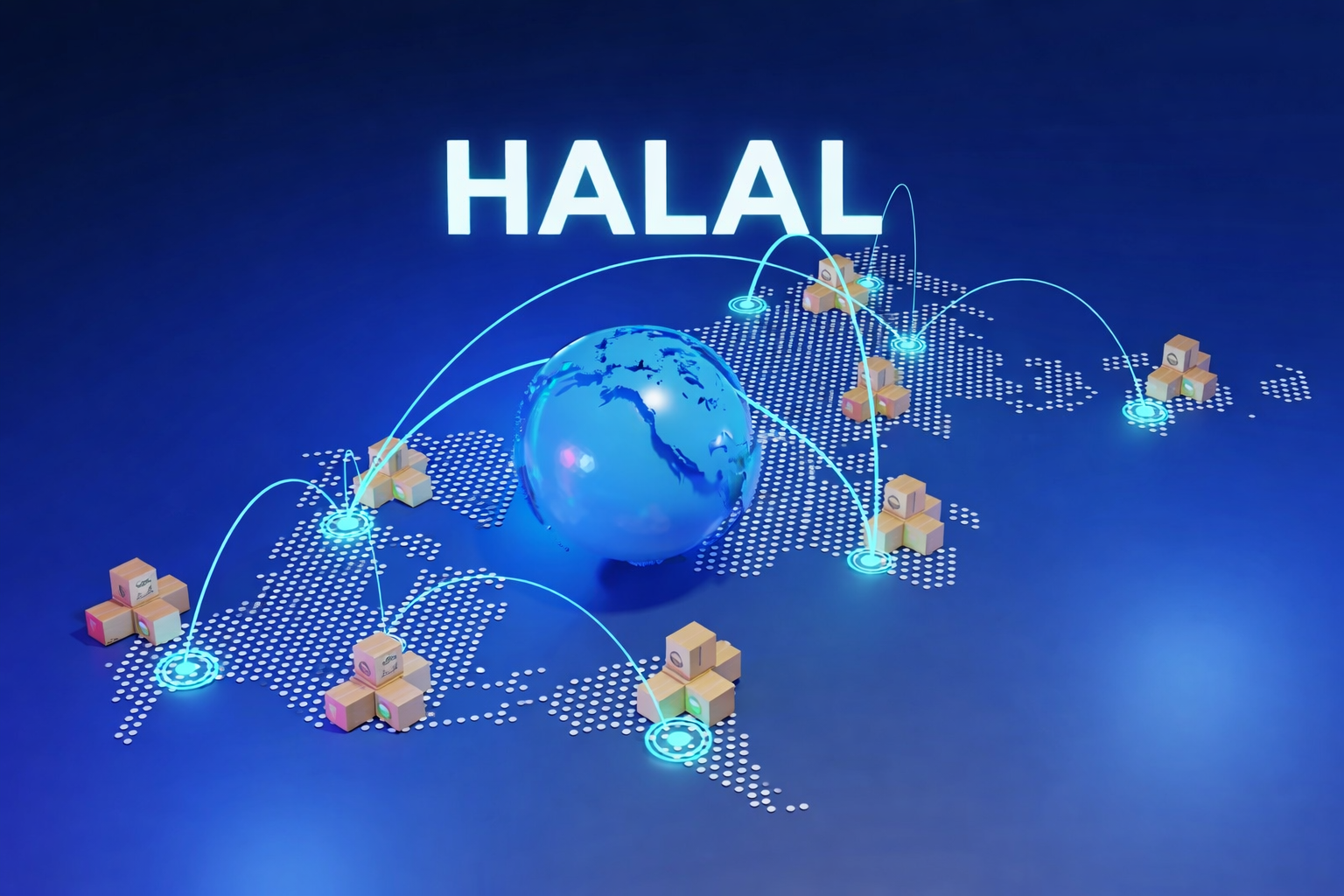
In 2025, halal consumption worldwide reached an impressive USD 2.8 trillion, with projections indicating growth to USD 5.96 trillion by 2026. These remarkable figures present lucrative opportunities for businesses across various countries, who are actively working to attract markets from Muslim-majority nations.
Among Muslim countries representing key markets for the halal industry, Indonesia ranks first. Not only is Indonesia the country with the largest Muslim population, but it also has the highest consumption of halal products, reaching USD 1.60 trillion annually.
Indonesia’s Paradox: High Demand, Low Production
Despite having enormous halal demand, Indonesia is not the world’s largest producer of halal products. The country remains heavily dependent on imports. For example, Indonesia still relies on meat imports from Brazil and Australia—countries that are not Muslim-majority nations.
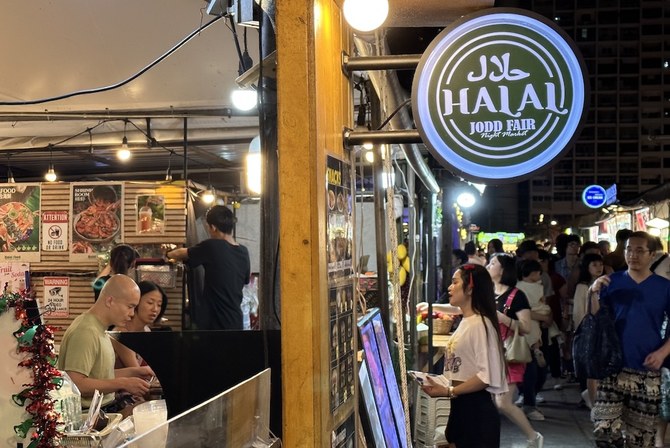
Furthermore, Indonesia has recently been outpaced by its neighbor, Thailand. Thailand has established numerous international-standard halal culinary destinations for tourists from around the world. Since March 2025, Thailand has also begun marketing halal-certified medical tourism featuring medicines that are permissible for Muslim consumption. Consequently, despite not being a Muslim-majority country, Thailand has become a significant supplier of halal products to Muslim countries, including Indonesia.
What Differentiates Thailand’s and Indonesia’s Halal Industry Management?
1. Early Market Recognition and Strategic Execution

Source: Yummy Thai Irving
Thailand’s first advantage came from recognizing and executing on profitable market opportunities that could boost the country’s income. Initially, Thailand’s primary income source was agricultural exports such as rice, sugar, and pineapple. Over time, Thailand found itself producing more food than its population required.
The Thai government sought ways to increase national revenue and eventually launched a “gastro diplomacy” initiative (spreading Thai cuisine throughout the world). This movement began in 2002 with the establishment of high-quality, authentic Thai restaurants officially certified by the Thai Prime Minister. The strategy evolved from merely promoting food to promoting tourism, medical services, and other sectors. By 2025, Thailand had entered the fourth stage of its industry development by expanding business through digital media.
In parallel with this gastro diplomacy initiative, Thailand recognized the profitable potential of the halal market. In developing this market, Thailand took several key steps:
- Establishing authentic Thai restaurants with halal certification
- Exporting halal raw materials to Muslim-majority countries while collaborating with Muslim associations in those nations
- Designing halal tourism programs for Muslim travelers visiting Thailand
- Developing halal medical tourism options for Muslims seeking treatment in Thailand
Given these efforts, it’s no surprise that Thailand has become one of the most promising countries in the halal industry. Meanwhile, Indonesia, despite its enormous demand for halal products, was late in recognizing its market potential. For example, Indonesia only began internationalizing its cuisine years after Thailand started in 2002. As a result, Indonesian products still struggle to compete in the global market because they are relatively new and have not yet matched products from other countries that are already internationally recognized.
2. Government Commitment and Support

Source: Nation Thailand
Unlike many Muslim-majority countries with official government halal certification bodies, halal certification in Thailand is managed by a non-governmental organization. The Central Islamic Council of Thailand (CICOT), an institution comprising national Islamic scholars, oversees halal certification through the Halal Standard Institute of Thailand, which is responsible for inspecting and certifying Thai products.
Although Thailand is not a Muslim-majority country, the government strongly supports halal certification for economic reasons. The government enthusiastically backs programs related to halal certification to access global markets, especially given the significant Muslim population worldwide.
This commitment is demonstrated through the involvement of various ministries:
- The Ministry of Foreign Affairs actively promotes Thai products and restaurants to Muslim countries
- The Ministry of Labour organizes training for workers across tourism sectors including F&B factories, restaurants, and hotels, collaborating with various institutions to provide high-quality standardized training
- The Ministry of Commerce provides funding for halal business operators to develop their businesses and assists with halal certification processes
This differs significantly from Indonesia, where the government has not yet given maximum attention to the halal industry. There are few programs to help entrepreneurs develop their businesses, leaving many to fend for themselves—despite the fact that most business operators in Indonesia come from middle to lower-income backgrounds.
3. Disciplined Business Practices
Source: Sawasdee Thailand
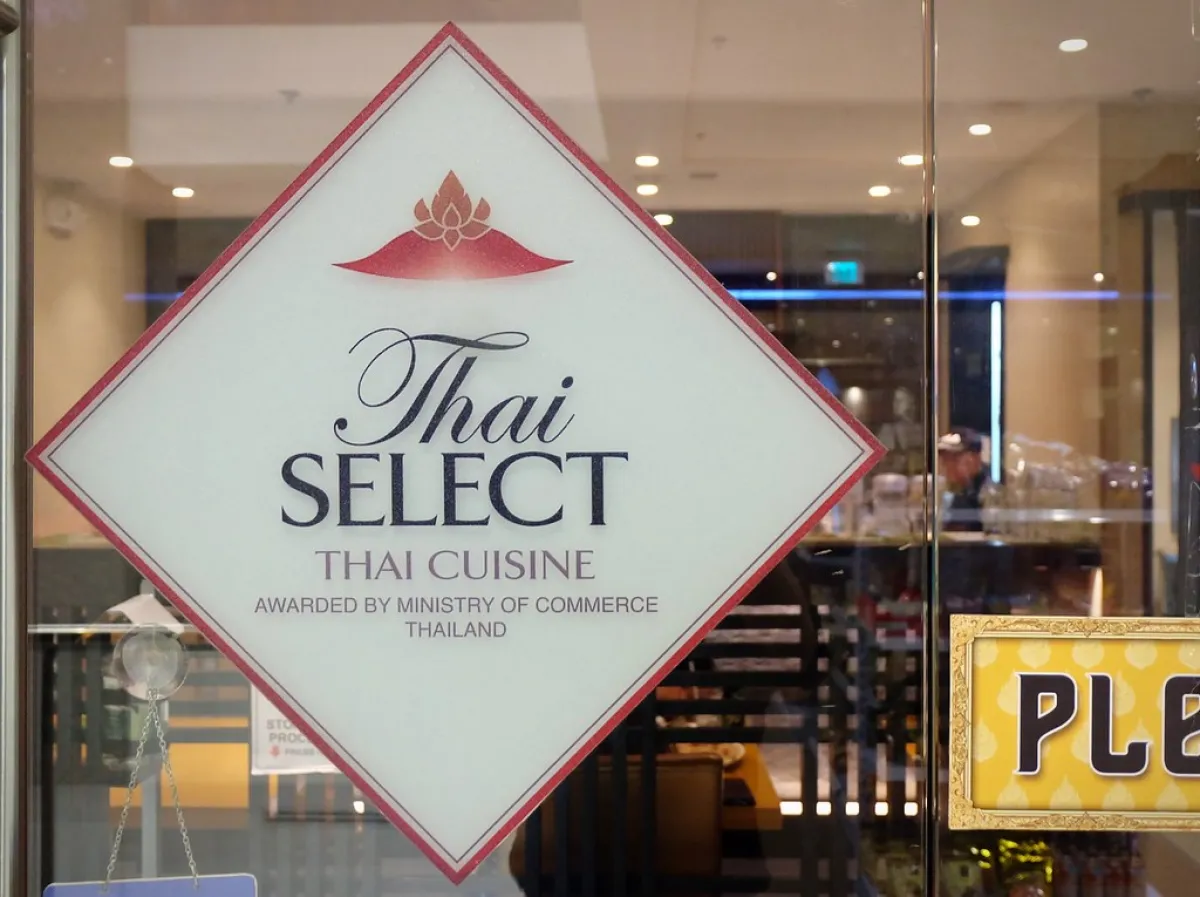
Beyond government support, the success of Thailand’s halal industry also lies in its rule-abiding business operators. The Thai Prime Minister launched a project called THAI SELECT, a certification program ensuring that restaurants in Thailand maintain authentic quality. Alongside THAI SELECT, the government provides assistance to restaurants seeking halal certification by collaborating with CICOT and other foreign halal institutions.
In response to these policies, restaurants in Thailand actively support these initiatives by pursuing THAI SELECT certification and halal certification processes. As a result, these restaurants maintain consistently high quality standards.
This contrasts with Indonesia, where business operators often don’t prioritize halal certification. Many assume that certification is unnecessary because Indonesia is majority Muslim, so all food is presumed halal without requiring an official logo. However, certification is crucial for guaranteeing product quality to consumers, especially international customers.
4. Clear and Efficient Certification Systems
Source: Halal Office
Thailand has developed a streamlined and transparent halal certification system that makes it relatively straightforward for businesses to obtain certification. The Halal Standard Institute of Thailand works closely with international halal certification bodies to ensure their standards meet global requirements, facilitating export opportunities for Thai businesses.
The certification process includes clear guidelines, reasonable processing times, and support services to help businesses navigate requirements. This efficiency encourages more businesses to pursue certification, strengthening Thailand’s position in the global halal market.
In contrast, Indonesia’s halal certification process has historically been criticized for bureaucratic complexity and delays. Despite recent efforts to improve the system, many small and medium enterprises still find the process cumbersome and expensive, creating a barrier to formalized participation in the halal economy.
Bridging the Gap: From Thailand’s Success to Indonesia’s Opportunity
Thailand’s remarkable success in the halal industry offers valuable insights for non-Muslim majority countries and particularly for Indonesia. The cornerstone of Thailand’s achievement lies in their coordinated national strategy, where government policy aligns seamlessly with market opportunities. Various ministries collaborate effectively—Foreign Affairs promotes products diplomatically, Commerce provides financial support for certification, and Labour ensures proper workforce training in halal requirements.
What distinguishes Thailand’s approach is their efficient certification process managed by the Central Islamic Council of Thailand in partnership with the Halal Standard Institute. This system provides clear pathways without unnecessary bureaucratic hurdles, encouraging widespread business participation. Thailand has built international trust through consistent quality standards, as exemplified by the THAI SELECT initiative working alongside halal certification. Their strategic partnerships with Muslim organizations worldwide have enhanced their credibility in Muslim markets despite not being a Muslim-majority country themselves.
For Indonesia to leverage its natural advantages in the halal industry, several strategic changes are necessary:
- Develop a cohesive national strategy for halal industry development with clear goals and timelines
- Increase government support through funding, training, and promotion of Indonesian halal products internationally
- Streamline the halal certification process to make it more accessible to small and medium enterprises
- Encourage innovation and quality improvement among halal product manufacturers
- Invest in building international recognition for Indonesian halal products through targeted marketing campaigns
With its massive Muslim population and already substantial halal consumption, Indonesia has the potential to transform from primarily a consumer to a leading producer in the global halal economy. By learning from Thailand’s strategic approach, Indonesia could leverage its inherent advantages to become a dominant force in this rapidly growing market sector.
References:
Jannah, M. A. N., Suryani, S., & Syarifudin, E. (2025). Halal Economic Ecosystem of Indonesia and Thailand through Halal Certification Bodies (BPJPH & CICOT): Ekosistem Ekonomi Halal di Indonesia dan Thailand melalui Lembaga Sertifikasi Halal (BPJPH & CICOT). Al Dzahab, 6(1), 55-62.
Mukminin, A. (2024). Strategi Pengembangan Industri Halal. Jurnal Bisnis Dan Ekonomi, 2(3), 469-482.
Utomo, A. B., & Sari, K. (2022). Thailand’s halal gastrodiplomacy to Indonesia: A study from the glocalisation perspective. SHAHIH: Journal of Islamicate Multidisciplinary, 7(1), 1-20.
World Population Review. (2025). Muslim population by country 2025. https://worldpopulationreview.com/country-rankings/muslim-population-by-country