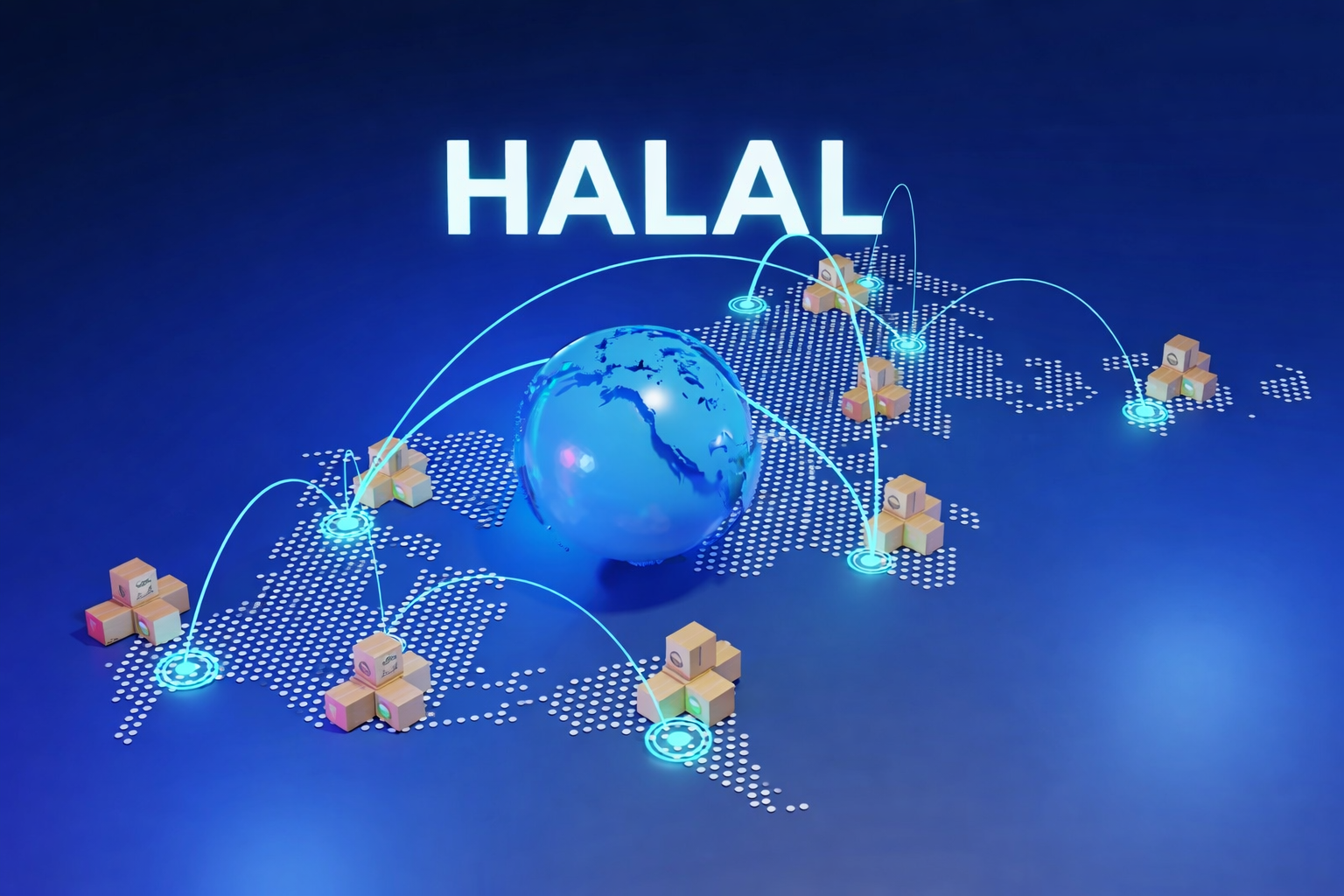
Philippine President Champions Halal Trade Integration Across Asia and Gulf Regions
Source: tribunnews.com
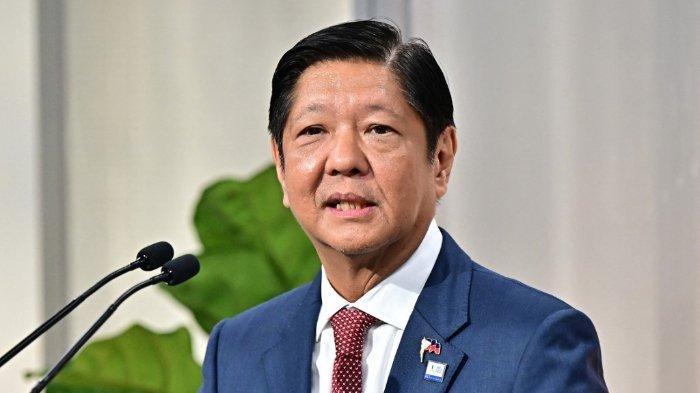
Jakarta, Indonesia – Philippine President Ferdinand Marcos Jr. has positioned halal commerce as a strategic cornerstone for regional economic integration, proposing ambitious trilateral trade partnerships that could reshape commercial relationships across Southeast Asia, China, and the Gulf Cooperation Council nations.
Vision for Regional Economic Consolidation
During the second ASEAN-Gulf Cooperation Council Summit held on May 27, 2025, President Marcos articulated his comprehensive strategy to unite the trading capabilities of ASEAN member states, China, and GCC countries through halal commerce. This initiative represents a calculated response to rising protectionist measures from the United States, offering alternative pathways for regional economic cooperation.
The Philippine leader identified halal trade as the connecting thread that could bind together the robust economies spanning from Southeast Asia through the Middle East, creating new opportunities for sustained regional growth and prosperity.
Presidential Commitment Despite Religious Differences
Despite his Catholic faith, President Marcos has emerged as an unexpected advocate for halal industry development, demonstrating how economic vision can transcend religious boundaries. His administration’s dedication to this sector has earned recognition as genuine support for halal commerce advancement.
The foundation for this commitment became evident during Malaysian Prime Minister Anwar Ibrahim’s official visit to the Philippines in July 2023. During these discussions, the Marcos government successfully negotiated Malaysia’s commitment to assist in developing Philippine halal industry capabilities, marking a significant diplomatic achievement.
Policy Priorities and Strategic Planning
President Marcos further solidified his administration’s focus on halal commerce by highlighting halal tourism as a priority sector in his 2024 State of the Nation Address. This public commitment demonstrated the government’s recognition of the economic potential inherent in faith-based tourism and related industries.
His presentation of the trilateral halal agenda during the 2025 ASEAN Summit in Kuala Lumpur reinforced his confidence in the halal sector’s capacity to generate meaningful economic growth throughout Southeast Asia, positioning the Philippines as an active participant in this expanding market.
Regulatory Complexity Challenges
However, implementing this ambitious trade vision faces significant obstacles rooted in the unique characteristics of global halal commerce. Unlike conventional international trade arrangements, halal commerce operates through a complex system of mutual recognition agreements between halal certification bodies, which frequently function independently of traditional government-to-government trade protocols.
This distinctive structure means that existing diplomatic relationships between the Philippines and countries like Malaysia, Indonesia, or the United Arab Emirates do not automatically guarantee market access for Philippine halal exports. The certification process requires additional layers of approval that extend beyond standard trade agreements.
Certification Body Dynamics
Philippine exporters seeking to enter international halal markets must engage with certification organizations whose credentials and recognition extend across borders. These certifiers must obtain international validation through two primary mechanisms: direct recognition from foreign halal regulatory authorities in target markets, or membership in global halal regulatory networks that mandate mutual recognition among participating organizations.
This requirement creates a fragmented oversight environment where halal certification bodies operate largely outside direct government supervision, leading to inconsistent regulatory frameworks across different markets and regions.
Market Access Complications
The current fragmented regulatory landscape affects the uncoordinated halal markets across ASEAN, China, and GCC territories – a challenge that President Marcos acknowledged in his summit intervention when he called for harmonized halal standards. This fragmentation creates practical difficulties for exporters attempting to access multiple markets simultaneously.
For example, Philippine halal exporters targeting Malaysia, Indonesia, and the UAE typically must work with at least two separate local certification bodies, as no single certifier currently maintains comprehensive international accreditation across all major halal markets. This multiplicity increases costs and complexity for businesses seeking regional expansion.
Path Forward for Integration
President Marcos’s recognition of these regulatory challenges suggests an understanding that successful implementation of his trilateral halal trade agenda will require addressing the fundamental coordination issues that currently characterize international halal commerce. Achieving his vision of integrated halal trade across ASEAN, China, and the Gulf region will necessitate collaborative efforts to streamline certification processes and establish more coherent regulatory frameworks.
The success of this initiative could potentially transform the Philippines’ position in global halal markets while contributing to broader regional economic integration objectives that extend well beyond traditional trade arrangements.
Original article:
inquirer.net. (n.d.) Marcos’ ‘halal’ agenda for Asean, China, GCC. Retrieved June 26, 2025, from https://opinion.inquirer.net/183727/marcos-halal-agenda-for-asean-china-gcc