Bangladesh Pursues Strategic Entry into Global Halal Export Market
Source: Rising BD.com
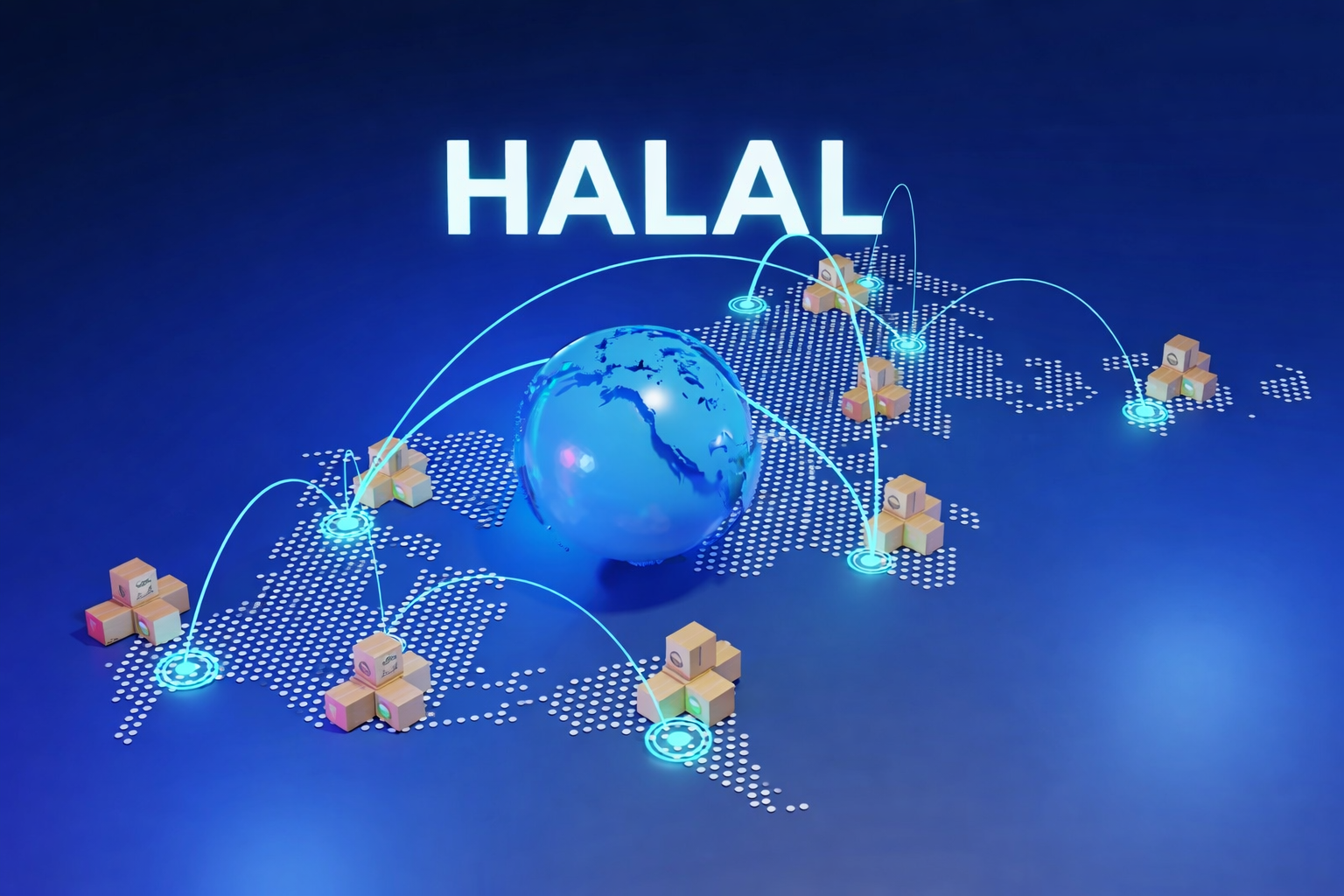
DHAKA – Bangladesh is implementing comprehensive measures to establish itself as a significant player in the international halal products market, targeting lucrative opportunities in the Middle East and Southeast Asia through enhanced certification standards and strategic partnerships.
Market Opportunity and Consumer Base
The initiative capitalizes on Bangladesh’s unique position with approximately 10 million expatriate citizens residing in Gulf nations—including Saudi Arabia, UAE, Qatar, Oman, and Kuwait—as well as Southeast Asian countries like Malaysia and Singapore. These communities represent a natural consumer base for authentic Bangladeshi halal products.
Business leaders point to the success of regional competitors including Thailand, Malaysia, Indonesia, Singapore, and India in capturing substantial shares of the international halal marketplace, highlighting the untapped potential for Bangladeshi exporters.
Global Halal Market Dynamics
Current market analysis reveals the global halal sector’s impressive trajectory, with the industry valued at USD 7.7 trillion in 2025 and projected to reach USD 10 trillion by 2030. This growth is driven by expanding Muslim populations, increasing disposable incomes, and rising demand for ethical and sustainable products across multiple sectors including food, beverages, pharmaceuticals, cosmetics, and tourism.
The halal market serves over 1.9 billion Muslims worldwide—representing 25% of the global population—with projections indicating growth to 2.76 billion consumers by 2050. The food and beverage segment dominates the sector, valued at USD 2.71 trillion in 2024 and expected to reach USD 4,569.69 billion by 2030, representing a compound annual growth rate of 9.56%.
Notably, the market’s appeal extends beyond Muslim consumers, with non-Muslim purchasers increasingly valuing halal products for their stringent hygiene standards, ethical sourcing practices, and sustainability credentials.
Strategic Certification Initiatives
In response to import requirements from target markets, Bangladesh is working to establish comprehensive halal certification processes covering the entire production and export chain. Several importing countries have specifically requested Bangladesh to ensure complete halal compliance throughout all manufacturing stages.
A significant development occurred during July 9-12, 2025, when a three-member delegation from the Saudi Accreditation Centre (SAAC) visited Bangladesh at the invitation of the Islamic Foundation. The delegation, including Emad Osama H Owaidah (Accreditation Manager), Mohammed Abdullah M Al Arifi (Technical Assessor), and Rakan Al Kahlifa (Islamic Affairs Expert), conducted comprehensive assessments of Bangladesh’s halal certification capabilities.
Certification Requirements and Standards
Bangladeshi exporters seeking to access Saudi Arabian and Malaysian markets must obtain certifications from multiple authorities:
- Systematic Industrial Contractor (SMIC): A wholly Saudi-owned company established in 2012 in Dammam, recognized as a leading inspection, certification, verification, and testing organization
- Saudi Food and Drug Authority (SFDA): An independent regulatory body ensuring food and drug safety for Saudi Arabia
- JAKIM: Malaysia’s Department of Islamic Development, responsible for halal certification in Malaysian markets
The Saudi delegation engaged with various Bangladeshi government ministries, including Religious Affairs, Foreign Affairs, Food and Fisheries and Livestock, as well as the Bangladesh Food Safety Authority, to establish comprehensive cooperation frameworks.
Bilateral Cooperation and Development
Bangladesh and Malaysia have expressed mutual commitment to expanding halal product markets and developing robust halal ecosystems. This cooperation was formalized during a December 12, 2024 meeting between the Islamic Foundation’s Halal Certification Department and delegations from Serunai Malaysia and the Islamic Development Bank.
The discussions centered on the “Reverse Linkage Project” between Bangladesh and Malaysia for developing a “Diagnostic Mission Halal Ecosystem.” This initiative aims to enhance Bangladesh’s existing halal infrastructure through knowledge exchange, technology transfer, and expertise sharing while exploring bilateral trade and investment opportunities.
Industry Examples and Export Potential
Current Bangladeshi companies are already making inroads into regional markets. Pran Exports Ltd (PEL), a subsidiary of the Pran-RFL group, actively exports products to various Middle Eastern and Southeast Asian countries, demonstrating the sector’s commercial viability.
However, industry observers emphasize that sustained success requires comprehensive strategic planning, quality production standards, and effective marketing approaches to capture the estimated $3.3 trillion global halal market opportunity.
Regional Competition and Benchmarking
India’s success in halal exports provides a valuable benchmark for Bangladesh’s aspirations. Despite being a non-Muslim-majority country, India has become one of the world’s largest halal product exporters, particularly in the food sector, with halal meat exports valued at approximately USD 3.2 billion in 2024.
India’s success stems from its robust livestock sector, strategic government policies like the India Conformity Assessment Scheme (I-CAS) – Halal, and strong industry partnerships with companies like Allanasons Pvt. Ltd., Al Kabeer Exports, and Hind Agro Industries.
Similarly, Pakistan is pursuing significant halal export agreements with Malaysia, potentially generating up to $200 million in exports over five years, demonstrating the competitive landscape Bangladesh must navigate.
Technology and Market Access
Market growth is being accelerated by technological advancements, including blockchain technology for supply chain transparency and e-commerce platforms that enhance accessibility. Online halal product sales are growing at 15% annually, indicating the importance of digital market strategies.
The rising Muslim middle class, particularly in Southeast Asia and the Middle East, represents a key demographic driving market expansion, with consumer spending on halal food reaching USD 1.38 trillion in 2024.
Future Outlook and Coordination
Success in the global halal market requires coordinated efforts among all stakeholders involved in production and marketing. Government officials emphasize the need for comprehensive quality standards throughout the entire process to retain and expand market access, particularly in demanding markets like Saudi Arabia.
The initiative represents a significant opportunity for Bangladesh to diversify its export portfolio while serving the needs of its substantial expatriate community and accessing the rapidly growing global market for ethical and religiously compliant products.
Original article:
risingbd.com. (n.d.). Bangladesh eyeing on halal export market. Retrieved July 28, 2025, https://www.risingbd.com/english/interview/news/113961