Halal Cosmetics Forecast Report 2025: Global Market Set to Exceed $135 Billion by 2033, Driven by Natural Ingredients, Sustainability, and Ethical Manufacturing
source: harmonicoperations.com
The Halal cosmetics market is on a remarkable trajectory, projected to reach an impressive $135.54 billion by 2033, up from $45.30 billion in 2024. This growth represents a compound annual growth rate (CAGR) of 12.95% from 2025 to 2033. The surge in demand is fueled by a combination of factors, including heightened consumer awareness of ethical standards, a growing Muslim population, and an increasing preference for natural ingredients, particularly in regions like the Middle East and Southeast Asia.
The global appeal of halal cosmetics is gaining momentum, as consumers—both Muslim and non-Muslim—seek beauty products that align with their values. Muslim consumers are particularly interested in products that comply with Islamic principles, while non-Muslim consumers are drawn to the natural ingredients, sustainability, and ethical manufacturing practices associated with halal cosmetics. As awareness of these products expands, leading brands are embracing inclusivity, innovation, and ethical standards to cater to the evolving preferences of beauty enthusiasts worldwide.
Key Drivers of Growth in the Halal Cosmetics Market
- Increasing Muslim Population and Demand for Halal Products
The expanding global Muslim population is a significant driver of the halal cosmetics market. With over 2.04 billion Muslims projected in 2024, Islam stands as the second-largest religion after Christianity. This demographic shift has led to a rising demand for halal beauty products that adhere strictly to Islamic laws, avoiding alcohol and animal-derived ingredients. As cultural attitudes shift towards halal products and disposable incomes rise, particularly in the Middle East, Southeast Asia, and North Africa, the consumer base for halal cosmetics continues to grow.
- Rising Consumer Preference for Ethical and Natural Products
Today’s consumers are increasingly discerning about the ingredients in their beauty products, opting for natural, organic, and ethically sourced options. Halal cosmetics often feature plant-based, cruelty-free, and sustainable ingredients, appealing not only to Muslim consumers but also to eco-conscious buyers. This trend towards sustainability and ethical manufacturing practices is propelling the halal cosmetics market forward, as consumers seek products that reflect their values regarding environmental responsibility and transparency. A recent V-Label survey revealed that 85% of consumers regularly use cruelty-free and vegan cosmetics, with 86% willing to purchase more, further driving demand for halal options.
- Expansion of Halal Beauty Brands and Market Accessibility
The increasing popularity of halal-certified beauty brands in international markets is a key factor in the growth of the halal cosmetics industry. More global beauty brands are launching halal-certified lines, providing consumers with a diverse array of products across cosmetics, skincare, and personal care categories. E-commerce platforms have made it easier for consumers to access these products from anywhere, while influencer marketing and social media campaigns have significantly boosted visibility and awareness. For instance, in November 2022, TSG Consumer Partners, LLC, a US investment firm, acquired Huda Beauty, enhancing its portfolio with a popular line of halal cosmetics for women worldwide.
Challenges Facing the Halal Cosmetics Market
- Lack of Standardization and Certification Issues
One of the primary challenges in the halal cosmetics market is the inconsistency in certification standards across different regions. The criteria for halal certification can vary widely between countries, leading to consumer confusion and mistrust regarding product authenticity. The absence of universally recognized certification bodies complicates matters further. To foster consumer confidence and expand market reach, it is essential to establish globally accepted certification standards and ensure transparency in ingredient sourcing and production processes.
- High Production and Certification Costs
Producing halal-certified cosmetics and obtaining the necessary certifications can be significantly more expensive than for non-halal products. Brands must ensure that all ingredients, manufacturing processes, and supply chains comply with halal standards, which often requires additional audits and inspections, driving up production costs. These expenses can be a barrier for smaller companies trying to compete with established brands, potentially limiting market growth in price-sensitive regions.
Halal Color Cosmetics Market
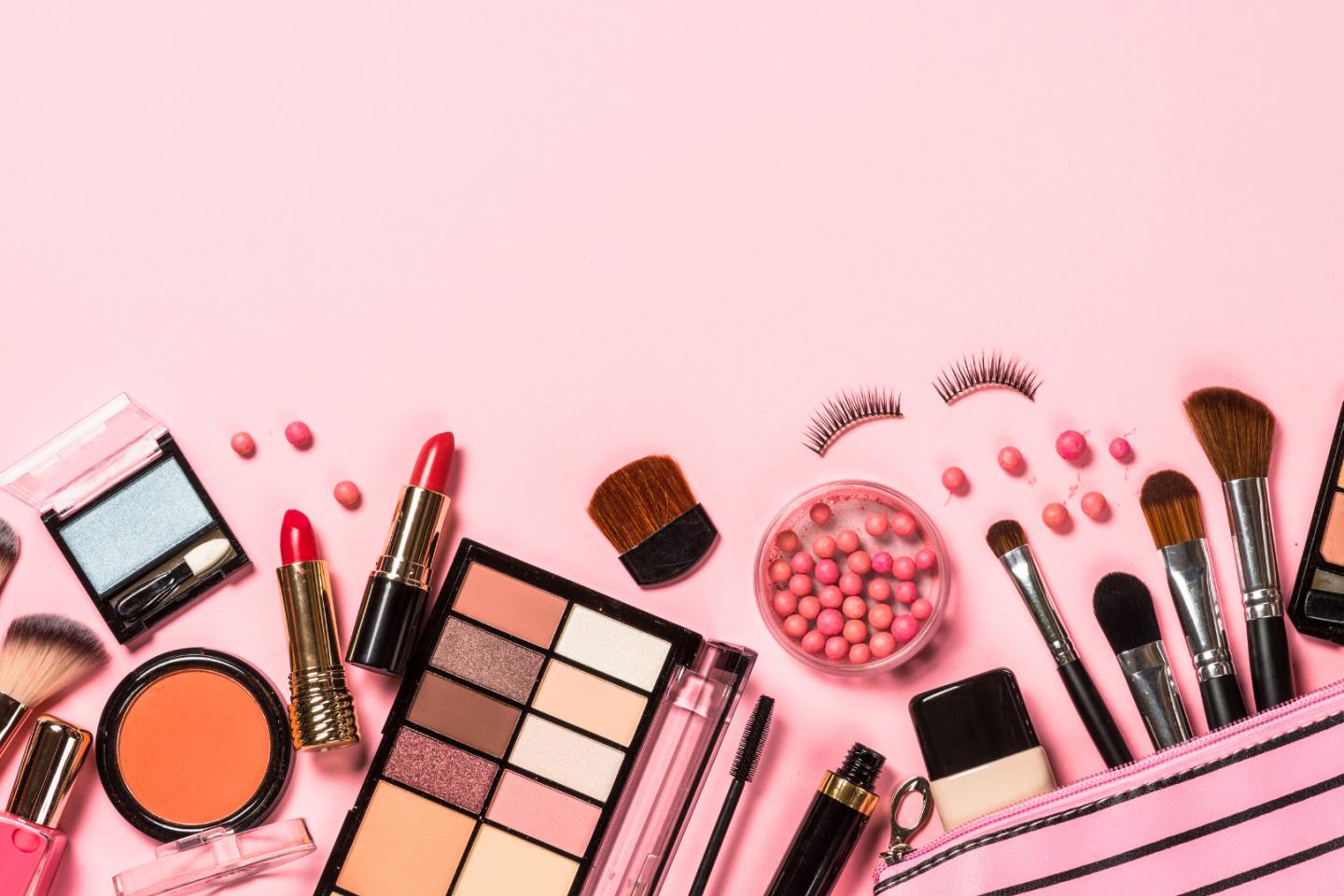
The Halal Color Cosmetics Market is witnessing substantial growth, driven by increasing consumer demand for ethical and religiously compliant beauty products. This segment includes halal-certified makeup items such as foundations, lipsticks, and eye products, all free from haram ingredients like alcohol and animal-derived substances. The market is gaining traction not only among Muslim consumers but also among non-Muslim buyers seeking natural, cruelty-free, and sustainable options. The trend towards inclusivity, eco-friendly packaging, and innovative formulations is further propelling the growth of the halal color cosmetics market, with major brands expanding their offerings to meet diverse consumer needs.
Halal Beauty Care Cosmetics Industry
The Halal Beauty Care Cosmetics industry is rapidly emerging as a significant segment of the global beauty market, driven by consumer demand for products that adhere to Islamic principles. Halal cosmetics are free from prohibited ingredients, including alcohol, animal-derived substances, and harmful chemicals, making them safe, ethical, and cruelty-free. This range includes skincare and color cosmetics formulated with natural and sustainable ingredients, appealing to Muslim consumers, particularly in regions like the Middle East, Southeast Asia, and North Africa. Additionally, non-Muslim consumers are increasingly seeking ethical, vegan, and eco-friendly beauty solutions, further driving industry growth.
Specialty Stores Halal Cosmetics Market
The Specialty Stores Halal Cosmetics Market is one of the fastest-growing niches within the broader beauty market. These specialty stores exclusively sell halal-certified products, providing customers with a curated selection of beauty and personal care items that comply with Islamic law. By avoiding alcohol, animal by-products, and synthetic preservatives, these stores offer an enhanced shopping experience, educating customers about halal standards and recommendations. The market is expanding due to heightened demand from Muslim consumers who prefer shopping in stores that align with their religious beliefs. Furthermore, these stores attract eco-conscious and health-conscious consumers seeking natural, sustainable alternatives. The growing awareness of halal beauty, combined with the expansion of specialty retail outlets and e-commerce, is driving market growth, particularly in regions such as the Middle East, Southeast Asia, and Europe.
Original Article:
GlobeNewswire. (2025, March 20). Halal cosmetics forecast report 2025: Global market to surpass $13.5 billion by 2033, driven by focus on natural ingredients, sustainability, and ethical manufacturing across Muslims and beyond. GlobeNewswire. https://www.globenewswire.com/news-release/2025/03/20/3046059/0/en/Halal-Cosmetics-Forecast-Report-2025-Global-Market-to-Surpass-135-Billion-by-2033-Driven-by-Focus-on-Natural-Ingredients-Sustainability-and-Ethical-Manufacturing-Across-Muslims-and.html