Malaysia Finds an Unlikely Partner in Central Asia’s Water Kingdom
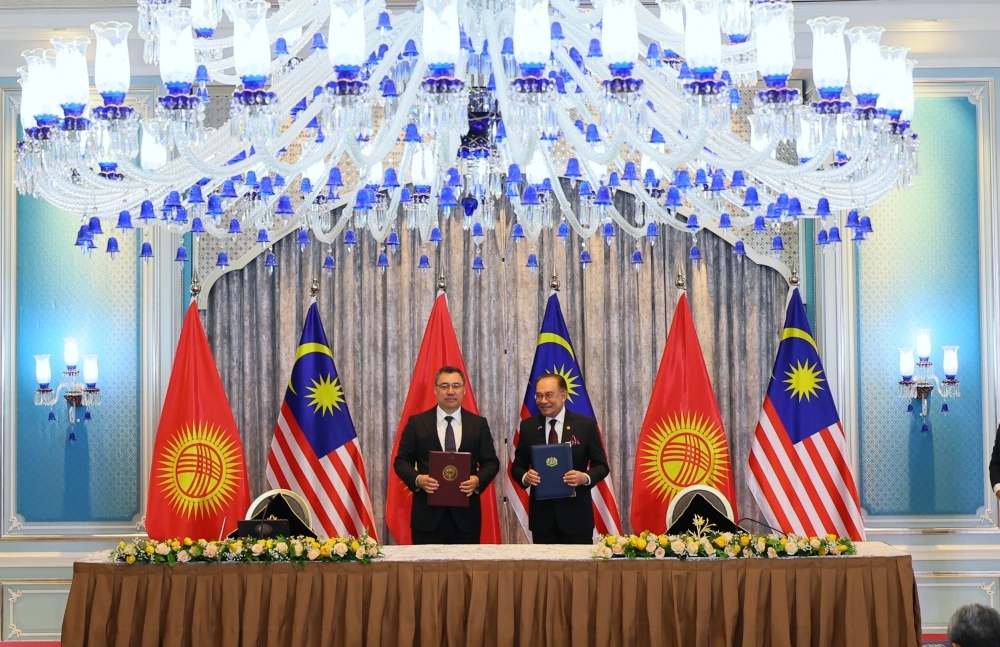
Prime Minister Anwar Ibrahim just struck a deal that nobody saw coming. During President Sadyr Zhaparov’s visit to Putrajaya, Malaysia and the Kyrgyz Republic agreed to collaborate on Islamic banking and halal trade – proving that geographic distance means nothing when business opportunities align.
The partnership makes perfect sense once you dig deeper. Kyrgyz Republic sits on massive hydropower potential that generates nearly 90% of the country’s electricity, while Malaysia has become the global authority on Islamic finance and halal certification. Put them together, and you get renewable energy financing through Sharia-compliant banking.
“We discussed Islamic banking, halal, construction, financial arrangements, including setting up Islamic banks,” Anwar announced during their joint press conference at Seri Perdana Complex. The collaboration extends beyond handshake diplomacy into concrete business development.
Malaysia Becomes the Teacher
Anwar, wearing his Finance Minister hat, positioned Malaysia as the mentor in this relationship. The country will share its Islamic banking expertise to help Kyrgyz Republic establish proper financial systems that comply with Islamic law while serving modern economic needs.
Malaysia’s dominance in Islamic finance isn’t accidental. The country has spent decades building the regulatory framework, training financial professionals, and creating products that attract Muslim investors globally. Now they’re exporting that knowledge to Central Asia.
The halal cooperation action plan proposed by Zhaparov received enthusiastic support from Malaysia. Given Malaysia’s role as a global halal certification hub, this partnership could open Central Asian markets to Malaysian halal expertise while providing Kyrgyz products with internationally recognized certification.
Energy Independence Meets Islamic Finance
The Kyrgyz Republic’s hydropower advantage caught Malaysia’s attention immediately. “You have great capacity in hydropower, green energy, renewable energy, which Malaysia would be very interested to understand, study and benefit from,” Anwar noted.
The reason why the partnership gets interesting is because Islamic finance principles favor tangible asset backing and prohibit speculative investments. Hydropower projects represent exactly the kind of real, productive assets that attract Islamic investment funds. Malaysia could potentially finance Kyrgyz renewable energy projects through Islamic banking instruments while gaining access to clean energy technology and expertise. The Central Asian nation generates almost all its electricity from water resources – a model Malaysia wants to understand.
Beyond Business: Building Human Connections
Education cooperation rounds out the partnership through Malaysia’s Technical Cooperation Programme (MTCP). Malaysian institutions will provide training opportunities for Kyrgyz citizens while exploring student and researcher exchanges.
“Our institutions will be available for you to identify people to be trained, and we’ll be more appreciative if we can have exchanges,” Anwar explained. The educational component creates long-term relationships that support business partnerships.
These people-to-people connections matter more than formal agreements. Training Kyrgyz professionals in Islamic banking creates a workforce capable of implementing financial systems that both countries can utilize for future projects.
Ministers Get Marching Orders
Both leaders assigned their ministerial teams to develop the partnership details. Zhaparov brought key ministers to Malaysia specifically to advance these discussions, while Anwar promised Malaysian counterparts would respond with concrete proposals. The follow-up meetings will determine whether grand announcements translate into actual business deals. Islamic banking setup requires regulatory frameworks, trained personnel, and market demand – none of which happen overnight. Success depends on Malaysian expertise meeting Kyrgyz Republic’s development needs in ways that create mutual benefits rather than one-sided arrangements.
Strategic Geography Pays Off
The Kyrgyz Republic’s location in Central Asia provides Malaysia with potential access to regional markets that have been difficult to penetrate. Central Asian countries increasingly seek alternatives to traditional Western financial systems, making Islamic banking an attractive option.
For Kyrgyz Republic, Malaysian partnership offers access to Southeast Asian markets where halal products command premium prices. The country’s agricultural and manufacturing sectors could benefit significantly from halal certification and Malaysian distribution networks. The partnership also positions both countries for broader regional cooperation. Malaysia’s Islamic finance expertise combined with Kyrgyz renewable energy resources could attract investment from Gulf states seeking sustainable development projects.
Long-term Vision Beyond Headlines
While press conferences generate headlines, the real test comes in implementation. Malaysia has successfully exported Islamic banking to countries like Kazakhstan and Tajikistan, proving the model works in Central Asian contexts. The hydropower collaboration represents Malaysia’s growing interest in renewable energy solutions as the country seeks to diversify its energy portfolio beyond fossil fuels.
Educational exchanges through MTCP create the human infrastructure necessary for long-term economic cooperation. Training Kyrgyz professionals in Malaysian institutions builds relationships that extend far beyond government agreements. The partnership reflects Malaysia’s broader strategy of positioning itself as the bridge between Islamic finance and global development needs, while Kyrgyz Republic gains access to expertise that supports its economic modernization goals.
Original Article:
Ibrahim, A. (2025, September 8). Malaysia, Kyrgyz Republic to collaborate in Islamic banking and halal sectors, says Anwar. Malay Mail. Retrieved from https://www.malaymail.com/news/malaysia/2025/06/25/malaysia-kyrgyz-republic-to-collaborate-in-islamic-banking-and-halal-sectors-says-anwar/