Vietnam Positions Tay Ninh and Mekong Delta as Rising Halal Industry Centers
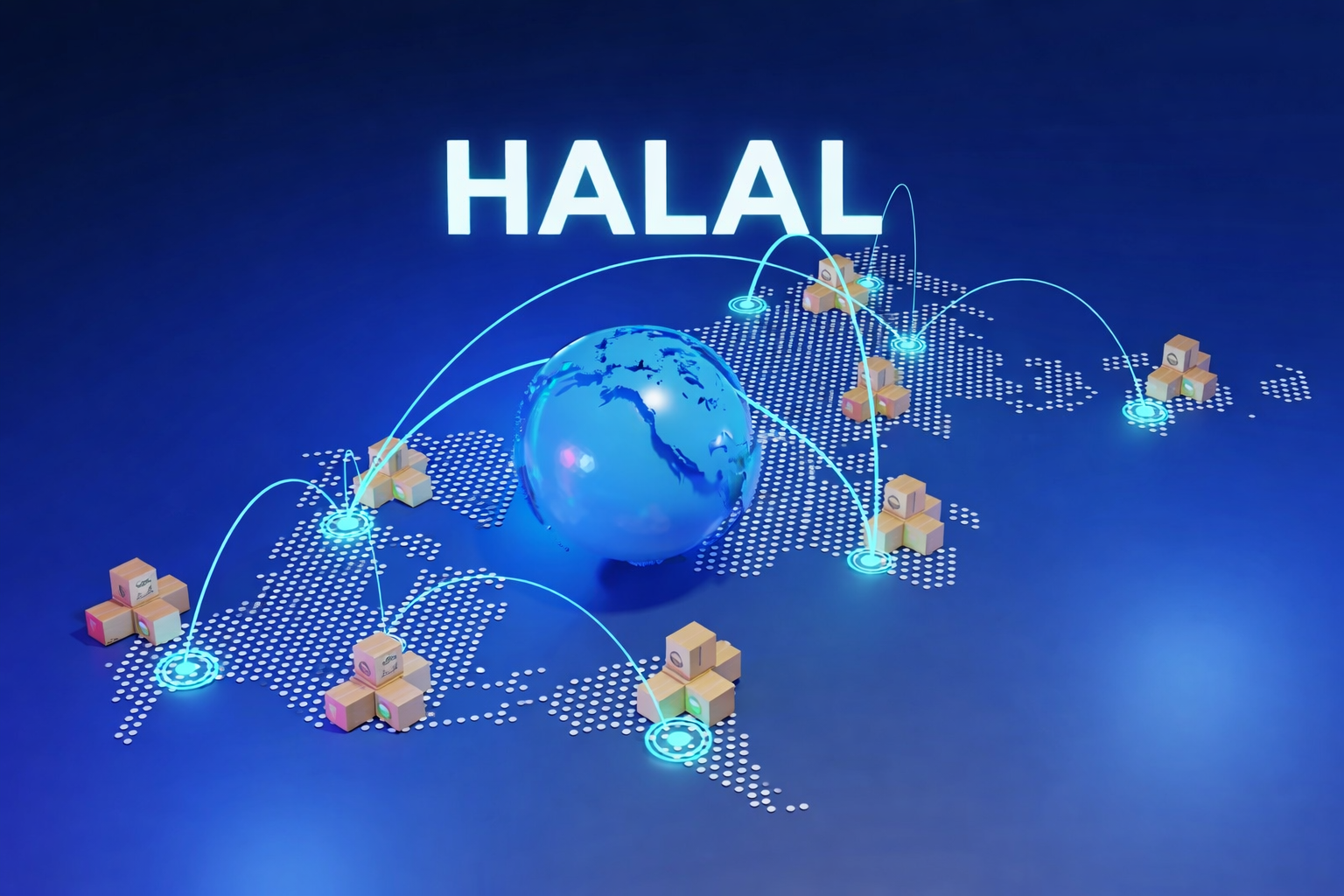
JAKARTA – Vietnam is making a calculated move to establish Tay Ninh province and the Mekong Delta as major centers for halal production and export, capitalizing on the rapidly expanding global halal economy expected to reach $6 trillion by 2033. This strategic initiative aims to tap into a massive consumer base of over 2.2 billion Muslims worldwide, leveraging Vietnam’s agricultural prowess to gain competitive advantages in fast-growing markets including the UAE, Indonesia, and Malaysia.
National Strategy Drives Halal Development
The initiative operates under Vietnam’s National Project “Strengthening International Cooperation to Build and Develop Vietnam’s Halal Industry by 2030,” a government-supported program focusing on certification standardization, supply chain integration, and workforce development. Vietnam’s status as a non-Muslim-majority country provides a distinctive competitive edge—positioning it as an impartial, cost-efficient producer for the halal supply chain. Industry analysts suggest this unique positioning could help Vietnam capture up to $34 billion in yearly exports to Organization of Islamic Cooperation (OIC) member states, whose collective GDP surpasses $8.5 trillion.
Tay Ninh: Gateway to Halal Markets
Tay Ninh, a southwestern border province situated along the East-West economic corridor near Ho Chi Minh City and Dong Nai, is becoming central to this transformation. The province hosts nearly 37,500 businesses, including 48 companies engaged in UAE trade that generated over $82 million in revenue during the first seven months of 2025. Currently, 57 firms in Tay Ninh hold halal certification, demonstrating significant progress in this sector.
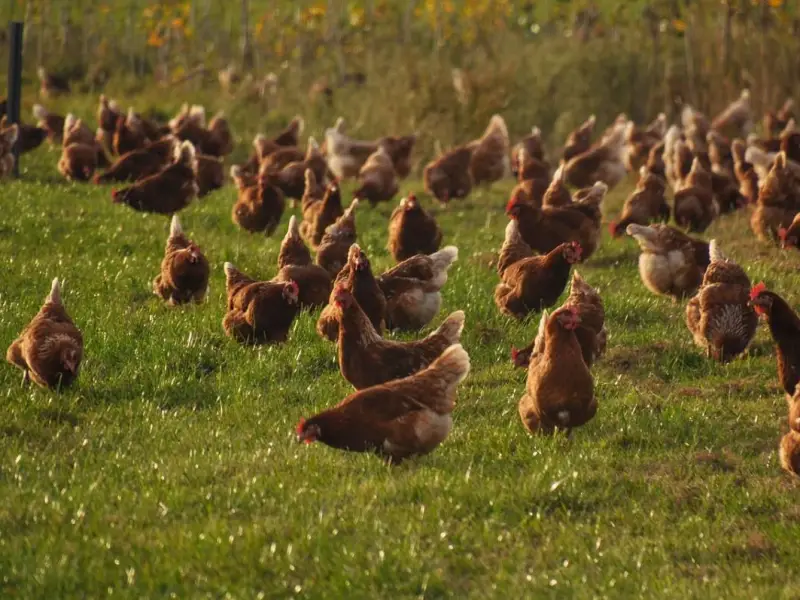
The province’s geographical positioning enables efficient logistics connections to the Mekong Delta and international shipping ports, establishing it as an optimal entry point for halal exports. Tay Ninh emphasizes closed-loop agricultural production systems that ensure traceability and adherence to strict halal requirements. Local livestock operations utilize cutting-edge Dutch technology through collaborations like Hung Nhon Group’s partnership with De Heus, implementing advanced projects designed for the 2025–2030 halal market.
“Tay Ninh’s geographical and economic positioning serves as more than an advantage; it’s a platform for linking our agricultural resources to Muslim consumers globally,” explains Nguyen Hong Thanh, Vice Chairman of the Tay Ninh Provincial People’s Committee.
Mekong Delta: Agricultural Abundance Meets Halal Demand
The Mekong Delta, with its expansive rice fields, aquaculture operations, and fruit plantations across provinces including An Giang, Can Tho, Dong Thap, and Ca Mau, contributes exceptional raw material variety. Known as Vietnam’s “rice bowl,” this region accounts for more than half the country’s rice production, along with shrimp, pangasius fish, coffee, spices, nuts, and tropical fruits—many naturally suitable for halal certification.
Recent administrative consolidation, reducing the region from 13 to six provincial-level units, streamlines governance and enhances development capacity, directing resources toward halal innovation. In Can Tho, the delta’s primary city, a Vietnam-Malaysia Halal Certification Center—the region’s first—facilitates audits and training programs. Success stories include Vinh Hoan Corporation’s halal-certified seafood commanding premium pricing in Middle Eastern markets, and Trung Nguyen Group’s coffee products adapting successfully for Indonesian and Malaysian consumers.
These achievements demonstrate how halal certification enhances product value, with Vietnam’s bilateral trade with OIC nations reaching $24.7 billion in 2025, including $10.9 billion in exports.
Key Conferences Build International Bridges
A pivotal moment came with the August 22, 2025, Conference on “Connecting the Mekong Delta Agricultural Supply Chain with the Middle East-Africa: The Strategic Role of the UAE,” held in Tay Ninh. Organized by Vietnam’s Ministry of Foreign Affairs, the Tay Ninh People’s Committee, and the UAE Embassy, the conference attracted over 100 participants from various provinces alongside UAE corporations such as DP World, LuLu Hypermarket, Emirates Airlines, and Abu Dhabi Ports.
UAE Ambassador Bader Almatrooshi highlighted the Emirates’ logistics capabilities, offering tariff-free market access to African and Middle Eastern regions through its 35 free trade agreements. Deputy Minister of Foreign Affairs Nguyen Minh Hang emphasized the UAE’s position as Vietnam’s only comprehensive partner in the region. The conference enabled business matchmaking sessions, knowledge exchange on halal logistics, and training programs for Mekong Delta officials on international market entry strategies.
Additional momentum came from Deputy Prime Minister Tran Hong Ha’s participation at the Global Halal Summit during Malaysia’s MIHAS 2025 in September. After visiting 30 Vietnamese exhibitor booths displaying halal-compliant coffee, seafood, and cosmetics, Ha identified the industry as a “new growth driver” and called for stronger cooperation with Malaysia’s standardization expertise.
In October 2024, the Vietnam Halal Certification Authority (HALCERT) established agreements with international organizations including Korea’s Halal Agency (KHA), Europe’s Halal Certification Center (ECC), Malaysia’s Halal Academy, and Singapore’s MUIS, promising technology transfers and collaborative development.
Addressing Implementation Challenges
Despite promising prospects, obstacles persist. Vietnam’s limited halal expertise—combined with varying international standards such as Malaysia’s MS 1500 versus Indonesia’s LPPOM MUI—requires investment in training and unified national guidelines. Associate Professor Dr. Dinh Cong Hoang from the Institute for South Asian, West Asian and African Studies recommends a “comprehensive standardization strategy,” customizing products for specific markets while capitalizing on local strengths like the delta’s sustainable agriculture.
The government is implementing targeted solutions: expanding HALCERT’s operations, subsidizing certifications for small and medium enterprises, and incorporating halal considerations into tourism development. Businesses are advised to conduct early supply chain assessments, collaborate with certified processors, and participate in events like the upcoming International Halal Conference on October 22, 2025, in Hanoi.
Vision for 2030 and Beyond
By 2030, Vietnam targets certifying thousands of products, training 10,000 professionals, and capturing a significant portion of the $2 trillion halal ecosystem. For Tay Ninh and the Mekong Delta, this translates to employment growth in agro-processing sectors and infrastructure development, including Long An International Port’s container trade ecosystem.
Entrepreneurs can explore emerging opportunities in halal fintech, cosmetics, and eco-tourism, while investors examine the delta’s startup ecosystems fostering halal innovation. As Vietnam connects its agricultural traditions with global Islamic economies, Tay Ninh and the Mekong Delta are evolving into symbols of inclusive, sustainable international trade—potentially reshaping Vietnam’s export identity and generating prosperity from rural farmlands to Middle Eastern markets.
Original Article:
Halal Times. (2025, October 2). Tay Ninh and Mekong Delta Emerging as Vietnam’s Strategic Halal Hub. Retrieved from https://www.halaltimes.com/tay-ninh-and-mekong-delta-emerging-as-vietnams-strategic-halal-hub/