Global Halal Cosmetics Market to Surpass USD 117.7 Billion by 2033
Rising Demand for Ethical, Sharia-Compliant Beauty
According to a recent report by Straits Research, the global halal cosmetics market, valued at USD 42.44 billion in 2024, is projected to reach USD 117.7 billion by 2033, expanding at a compound annual growth rate (CAGR) of 12% between 2025 and 2033.
Halal cosmetics adhere to Islamic principles, ensuring that products are free from prohibited ingredients such as pig derivatives, alcohol, blood, insects, and reptiles. The market’s strong growth is driven by the increasing global Muslim population and growing consumer awareness of natural, safe, and eco-friendly products, attracting both Muslim and non-Muslim consumers.
Regulatory Support Strengthening Market Trust
The industry’s expansion is supported by strict regulations that ensure product quality, traceability, and halal integrity. Key international standards include MS 2200-1:2008 for halal cosmetic and personal care products and MS 2200-2:2013 for animal-derived ingredients. These frameworks promote consistency and consumer trust in halal certification.
Despite rapid growth, experts highlight the lack of a unified global halal standard as an ongoing challenge. Collaboration between halal certification bodies and cosmetic manufacturers remains essential for building credibility and market integration.
Drivers of Growth and Key Certifiers
The halal cosmetics market is still developing, with leading global companies actively introducing halal-certified skincare, haircare, and makeup products. Partnerships with organic and vegan producers are increasingly common, helping brands appeal to health-conscious consumers.
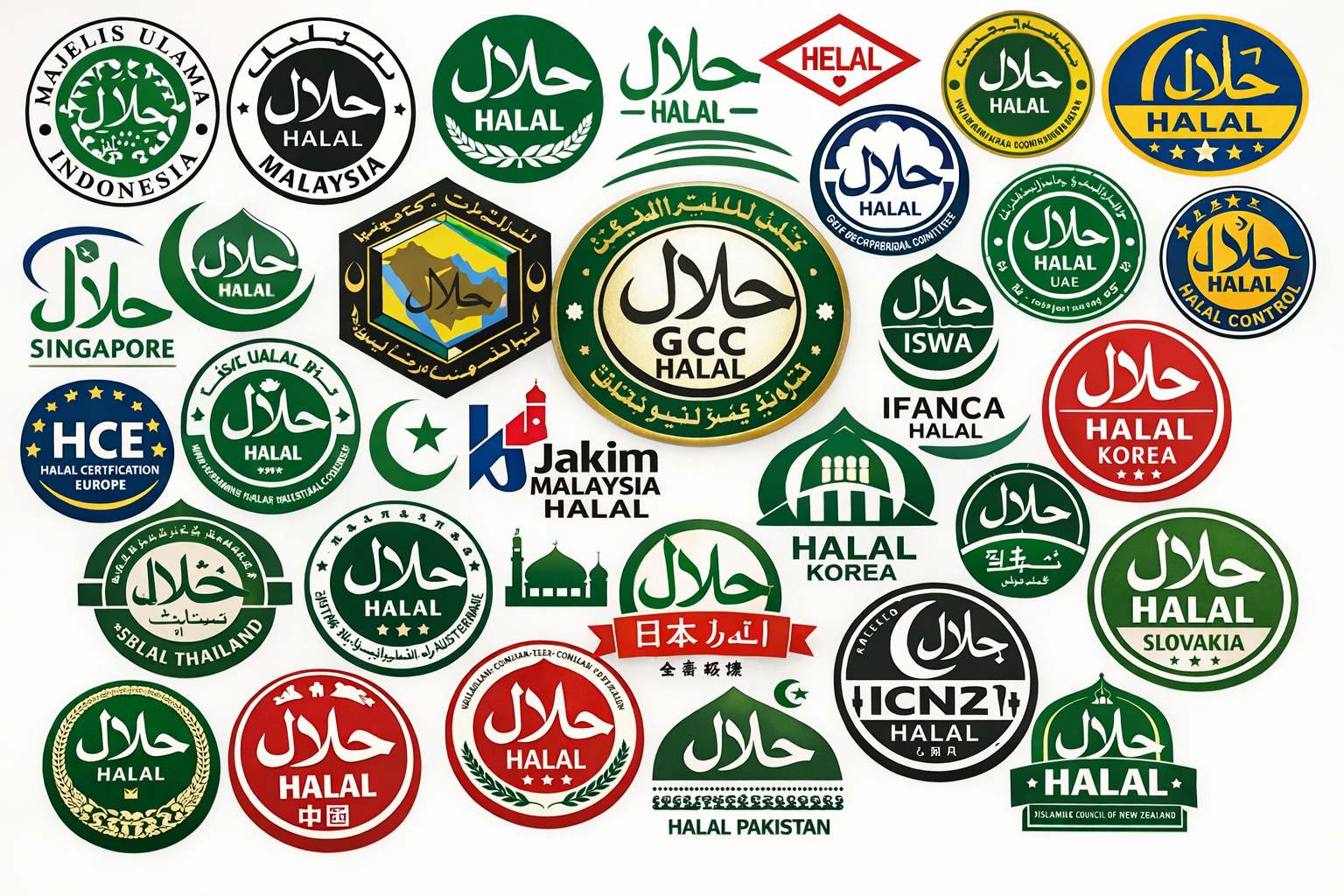
Prominent certification bodies driving this movement include:
- Jabatan Kemajuan Islam Malaysia (JAKIM)
- Majelis Ulama Indonesia (MUI)
- Majlis Ugama Islam Singapura (MUIS)
These institutions play a key role in promoting credible certification and ensuring compliance with Sharia principles.
Asia-Pacific Leads Global Expansion
The Asia-Pacific region continues to dominate the global halal cosmetics market, fueled by large Muslim populations in Indonesia, Malaysia, India, and Singapore. Government investments in halal industry infrastructure have significantly boosted regional competitiveness—Malaysia’s halal industry investment rose from USD 1.35 billion in 2012 to USD 2.4 billion in 2015.
In the Middle East, high consumer spending power in Saudi Arabia, Qatar, and the UAE supports strong demand for halal beauty and personal care products. Meanwhile, in Europe, the United Kingdom and France are emerging as key markets due to increasing Muslim populations and a growing preference for sustainable, ethical products.
Skincare Dominates Product Segments
Halal cosmetics are categorized into skincare, hair care, hygiene products, makeup, and fragrances. Skincare remains the largest segment, driven by rising health awareness and consumer preference for safe ingredients. Hair care products also show strong growth as consumers seek halal-certified solutions for scalp and hair health.
Leading Brands in the Halal Beauty Market
Major brands shaping the global halal cosmetics market include:
- Amara Halal Cosmetics
- INIKA Organic
- Ivy Beauty Corporation
- Iba Cosmetics
- Martha Tilaar Group
- Sampure Minerals
- Talent Cosmetics Co. Ltd.
- Saaf Pure Organic Skincare
- OnePure International Group Ltd.
The Future of Halal Beauty
The halal cosmetics market is evolving into a mainstream segment within the global beauty industry, combining faith-based ethics, sustainability, and innovation. As consumer trust deepens and certification frameworks mature, the market is expected to witness continued expansion across regions and product categories through 2033.
Original Article:
OpenPR. (2025, October 23). Halal cosmetics market projected to reach USD 117.7 billion by 2033. Retrieved from https://www.openpr.com/news/4236316/halal-cosmetics-market-projected-to-reach-usd-117-7-billion