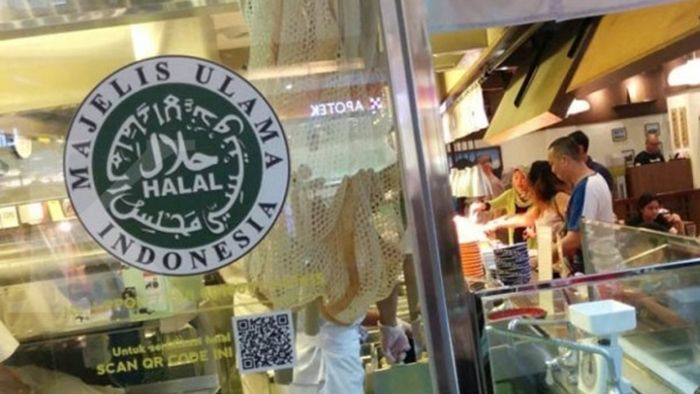
‘Halal Inflation’: Rising Costs Squeeze Niche Food Businesses
Operating from a converted classroom at Providence Hebrew Day School, Freda Ronkin runs Achva Catering, a kosher food service supplying prepared meals and raw meat to customers across Rhode Island and southern Massachusetts. What was once manageable has become increasingly difficult as operating costs have surged sharply compared to just a few years ago.
A similar situation is unfolding in Quincy, where Fawad Ali, co-owner of Halal Meat Boston, has seen meat prices climb steadily throughout 2025, while tariffs have doubled the cost of essential packaging equipment.
While inflation has affected households broadly, specialty food businesses say they are facing disproportionately severe pressure. Limited supplier choices, smaller customer bases, and greater exposure to tariffs have intensified cost increases that have accumulated over the past five years.
Adnan Durrani, CEO of Connecticut-based Saffron Road Foods, which supplies halal-certified frozen meals nationwide, likens the situation to a never-ending game of whack-a-mole: addressing one challenge inevitably triggers higher costs elsewhere. As a result, affordability has become a growing concern for many halal consumers.
Joe Regenstein, professor emeritus of food science at Cornell University, notes that halal and kosher producers must also absorb additional expenses linked to religious slaughter and processing requirements. At the same time, demand for halal and kosher products has continued to rise despite tight meat supplies, placing further upward pressure on prices.
According to Regenstein, who also leads Cornell’s kosher and halal food initiative, the combination of constrained supply and expanding demand creates ideal conditions for sustained price increases.
For Saffron Road Foods, tariffs pose a major challenge. The company imports basmati rice from India, now subject to a 50% import tax. Labor shortages linked to stricter immigration enforcement have also driven up costs at poultry processing plants, expenses that eventually ripple through the supply chain to producers and consumers alike.
Despite higher prices, the company believes loyal customers who value clean-label, halal-certified products will continue to support the brand, framing its offering as “values for a value.”
Pressure from rising costs is not limited to religious food markets. In Providence, olive oil and vinegar retailer Olive del Mundo faces similar difficulties, as most of its products are sourced internationally from regions such as Europe, South America, and South Africa. Tariffs have forced owner Steven Falaguerra to raise prices after months of absorbing the added costs, a move he describes as unavoidable.
The impact on consumer behavior has been noticeable. During the holiday season, smaller bottle sizes became the top sellers, reflecting shoppers’ desire to manage spending while still purchasing premium gifts.
Back at Halal Meat Boston, Ali remains cautious about raising prices, knowing that even modest increases could strain his customer base. Ronkin, meanwhile, closed a delicatessen she had operated for three years after food and transportation costs became unsustainable. She now focuses on catering, offering streamlined menus that rotate weekly and showcase diverse global cuisines within kosher guidelines.
Both business owners remain hopeful that tariff policies may ease and market conditions stabilize, potentially allowing prices to level off—though for now, survival requires constant adaptation.
Source:
The Boston Globe. (2026). Halal inflation. The Boston Globe.
https://www.bostonglobe.com/2026/01/14/metro/halal-inflation/