All About Wajib Halal October 2026: What Business Stakeholders Need to Know
JAKARTA (25/09/2026)
A New Chapter for Indonesia’s Halal Industry
2026 is proving to be a busy and transformative year for Indonesia’s economy, and the halal industry is no exception. In less than a month, Indonesia will officially implement Wajib Halal Oktober (WHO) 2026. This is a landmark regulation that takes effect on 18 October 2026. The policy is grounded in Law No. 33 of 2014 on Halal Product Assurance and Government Regulation No. 42 of 2024 on the Implementation of Halal Product Assurance.
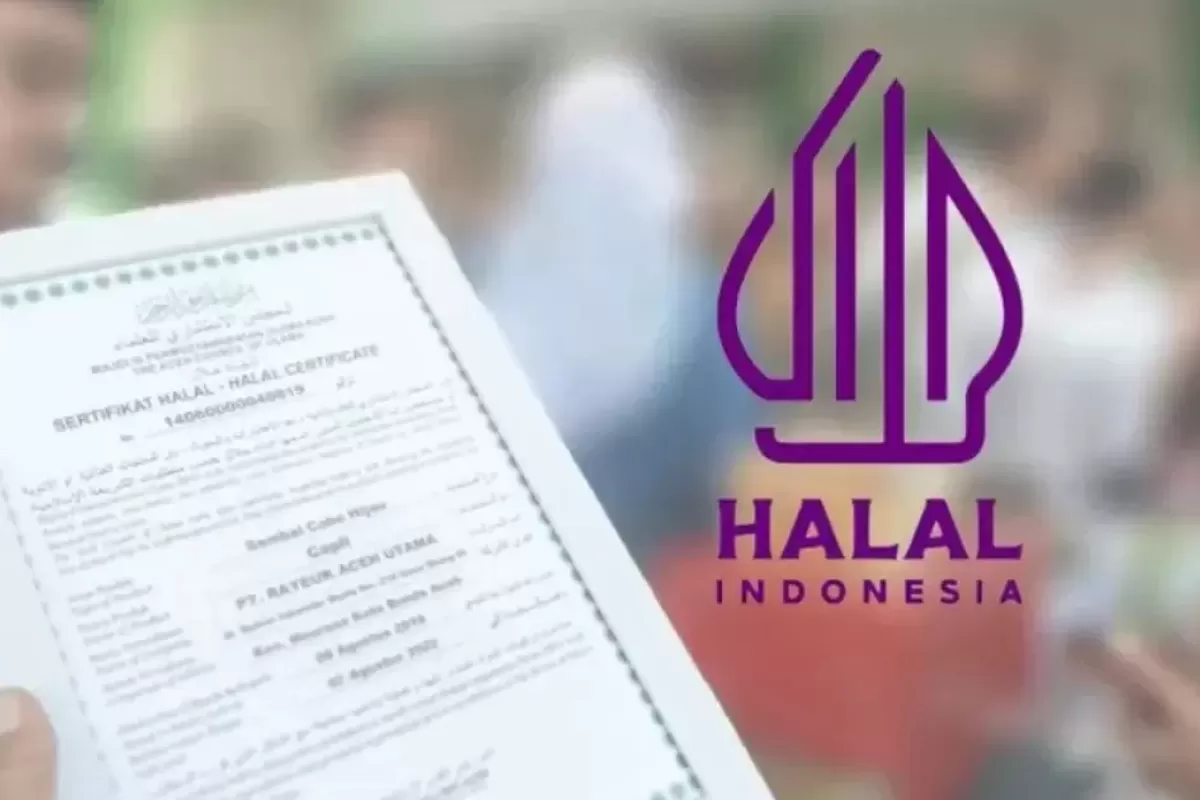
Under this policy, a broad range of goods and services circulating in Indonesia will be required to hold an official halal certificate and display the halal logo. Crucially, this certification cannot come from just any source. It must be issued and supervised by the Halal Product Assurance Organizing Agency (BPJPH), the government body under the Ministry of Religious Affairs responsible for regulating, certifying, and overseeing halal product assurance nationwide. Importantly, this obligation is not limited to domestic products; it also extends to foreign products circulating in the Indonesian market.
So, what exactly is WHO 2026, and what should business stakeholders be preparing for?
Which Products Require Halal Certification and the Halal Logo?
Under the regulations set by the Indonesian government, seven categories of products are required to obtain halal certification from BPJPH:
- Food and Beverage Products
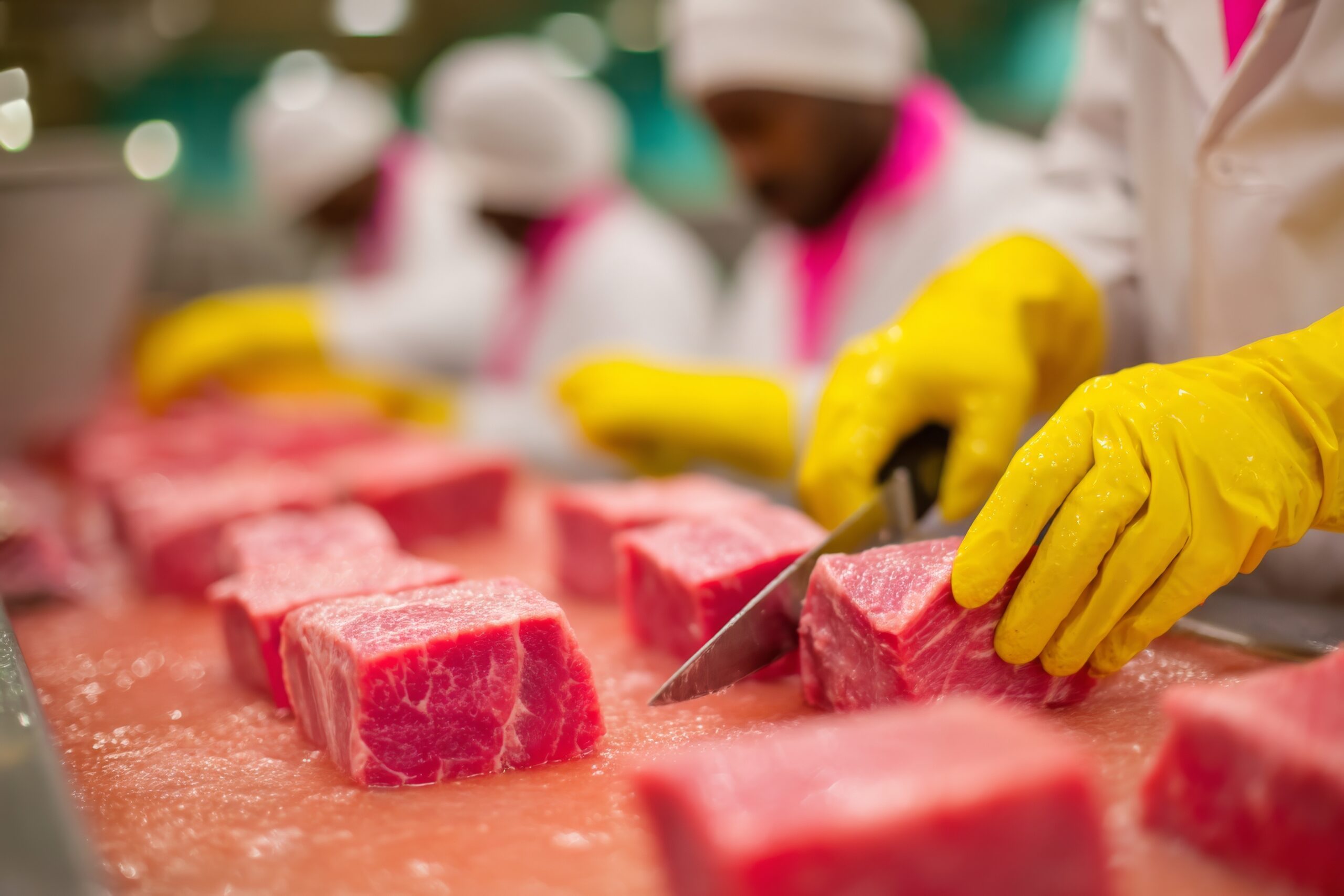
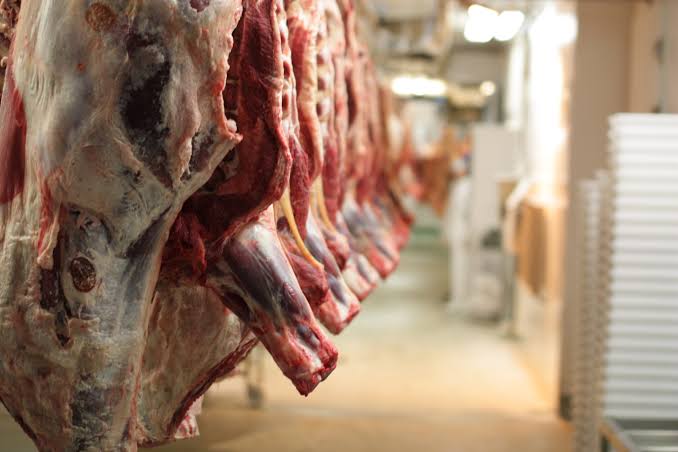
- Slaughtered Products and Slaughtering Services
- Cosmetics
- Chemical and Genetically Engineered Products
- Natural Medicines, Quasi-Drugs, and Health Supplements (excluding conventional pharmaceutical drugs)
- Raw Materials, Food Additives, and Auxiliary Materials for food and beverage products
- Consumer Goods including clothing and accessories, household health supplies, household appliances and utensils, worship equipment and supplies, stationery, office supplies, and Class A medical devices
Once a product successfully obtains halal certification from BPJPH, the next step is mandatory: the product must be distributed bearing BPJPH’s official halal logo.
A Common Misconception: Certified vs. Non-Certified Doesn’t Mean Halal vs. Haram
A widespread misunderstanding is that halal certification and the halal logo must apply to every product circulating in Indonesia without exception and that anything lacking the logo is automatically deemed non-halal. In reality, whether a product is halal or not is not determined solely by the presence or absence of a certificate and logo. Certification and the logo are simply tools to help Muslim consumers verify a product’s halal status. They are not the sole, but the absolute determinant of that status.
According to the Decree of the Indonesian Minister of Religious Affairs (KMA) and related regulations, products fall into three distinct categories regarding halal status:
- Required to Display the Halal Logo
- Legal basis: KMA 748 of 2021 (on domestic and imported products required to be halal-certified); KMA 994 (specific to food and beverage products)
- Examples: food and beverages, cosmetics, slaughtered products, medicines, consumer goods, raw materials and ingredients (as outlined above)
- Not Required to Display the Halal Logo
- Legal basis: KMA 1360 of 2021 (on materials exempted from mandatory halal certification)
- Examples: eggs, vegetables, and similar unprocessed staples
- Required to Display the Non-Halal Logo
- Legal basis: GR 42/2024 on the Implementation of Halal Product Assurance
- Examples: pork, alcohol, and other products whose non-halal status is unambiguous
Halal Is More Than an Ingredient List
A common misconception among consumers and businesses alike is that halal compliance begins and ends with checking a product’s ingredients. In practice, halal status is shaped by the entire journey a product takes from raw material sourcing and processing, to packaging, storage, and distribution. A product made from halal ingredients can still lose its halal integrity if it is processed on contaminated equipment, packaged using non-compliant materials, or transported and stored alongside non-halal goods without proper separation. For this reason, every stage of the value chain must be conducted in accordance with Islamic legal principles not just the formulation stage. This is precisely why WHO 2026 extends its scrutiny beyond factory floors and into logistics, warehousing, and distribution networks.
Regulations and Consequences
Unlike previous halal certification schemes, certificates issued by BPJPH under WHO 2026 are valid for a lifetime. This means business operators are not required to renew their halal certification periodically, provided there is no significant change to any of the following:
- Material composition
- The production process
- Production facilities
- Other aspects affecting the product’s halal status
Penalties for Non-Compliance
Business operators who fail to meet halal certification requirements may face administrative sanctions under applicable laws, applied in escalating stages:
- Verbal warning
- Written warning (if the verbal warning is not heeded)
- Administrative fines of up to IDR 2 billion
- Revocation of the Halal Certificate
- Withdrawal of the product from circulation in Indonesia
How to Apply for Halal Certification for Imported (Foreign) Products
Foreign business operators seeking to certify their products for the Indonesian market must follow this process:
- Register an account on BPJPH’s SIHALAL system (BPJPH’s official online platform for halal certification).
- Submit an application for halal certification, completing company data, product information, raw material details, and other supporting documents.
- Pay the certification fee in accordance with applicable regulations.
- The LPH (Halal Inspection Agency) conducts document verification and a halal audit of the production facility.
- Audit and inspection results are followed up in accordance with the mechanism for determining the product’s halal status.
- BPJPH issues the Halal Certificate once all requirements have been fulfilled.
Behind the Strict Rules: Regulatory Certainty and Economic Empowerment
Indonesia’s WHO 2026 agenda has one overarching goal: to give Indonesian consumers certainty about the halal quality of the products they use. As a nation with one of the world’s largest Muslim populations and a correspondingly vast halal market, the halal status of goods and services is not a niche concern. It is a baseline expectation for the majority of Indonesian consumers.
Yet transparency around halal status in Indonesia remains a work in progress. Many domestic and international manufacturers still do not disclose halal logos or ingredient information clearly. While most of these producers likely already meet Islamic halal standards in practice, the absence of formal disclosure leaves room for bad actors whether through negligence or intent to circumvent the rules. WHO 2026 is designed to close that gap, giving Indonesian consumers comprehensive information and transparency about every product they purchase and use. Beyond consumer protection, WHO 2026 also serves as an economic development strategy. As more products achieve halal certification, Indonesia strengthens its credibility as a trusted entry point into the global Muslim market by reinforcing both domestic industry and Indonesia’s position in the international halal economy.
For foreign business stakeholders, this shift carries direct implications. Exporters seeking to enter or remain in the Indonesian market will need to build halal compliance into their production and logistics planning well in advance, rather than treating it as an afterthought. This means engaging with BPJPH-recognized certification bodies, ensuring supply chain partners (including logistics and warehousing providers) meet halal handling standards, and budgeting for the time and documentation the SIHALAL process requires. Businesses that get ahead of these requirements stand to gain a meaningful competitive advantage smoother market access, stronger trust with Indonesian distributors and consumers, and a head start into one of the world’s largest halal markets. Those that delay risk disruptions to market entry, additional administrative costs, or exclusion from Indonesia’s rapidly formalizing halal ecosystem altogether.
Written by: Alhayya Maritza & Naflah Azizah Wibowo
References:
Febrianthy, F., Kurniasih, W., Ardilla, R., Zaki, M., & Mabruri, M. (2026). Role of Halal Certification in Increasing the Competitiveness of Micro, Small, and Medium Enterprises (MSMEs). Jurnal Ilmiah Manajemen, Ekonomi dan Bisnis, 5(2), 71-78.
Tarigan, A. E. (2026). Pentingnya Sertifikat Halal Meningkatkan Sektor Ekonomi Pelaku Usaha Usaha Mikro Kecil dan Menengah (UMKM). Jurnal Hukum Legalita, 8(1), 245-259.
Hery, Arief. (2026). 3 Kategori Produk Wajib dan Tidak Wajib Bersertifikasi Halal [Status update]. LinkedIn. https://www.linkedin.com/posts/arief-hery-purwanto_regulatoryaffairs-regulatory-halal-share-7508077365319598080-pH8k/?utm_source=social_share_send&utm_medium=ios_app&rcm=ACoAADgEp9MBBvn0E6QzeZrjUn1odOQe6bTDQew&utm_campaign=copy_link
KSO Sucofindo Surveyor Indonesia. (2026, July 8). Menuju Wajib Halal 2026: Produk Impor dan Kewajiban Sertifikasi Halal [Status update]. LinkedIn. https://www.linkedin.com/pulse/menuju-wajib-halal-2026-produk-impor-rhbjc/
Halal Indonesia [@halal.indonesia]. (2026, June 23). Mandatory Wajib Halal Oktober 2026 Certification [Photo]. Instagram. https://www.instagram.com/p/DZ6V6ZMScxi/
Kementerian Agama Republik Indonesia. (2026). Produk Makanan hingga Kosmetik Wajib Bersertifikat Halal pada Oktober 2026. Retrieved September 24, 2026, from https://kemenag.go.id/nasional/produk-makanan-hingga-kosmetik-wajib-bersertifikat-halal-pada-oktober-2026-n5dJj
LPPOM. (2026). Wajib Halal Oktober 2026 Makin Dekat, 7 Kelompok Produk Ini Wajib Bersertifikat Halal