Russia and Indonesia Establish Cooperative Framework for Halal Product Certification
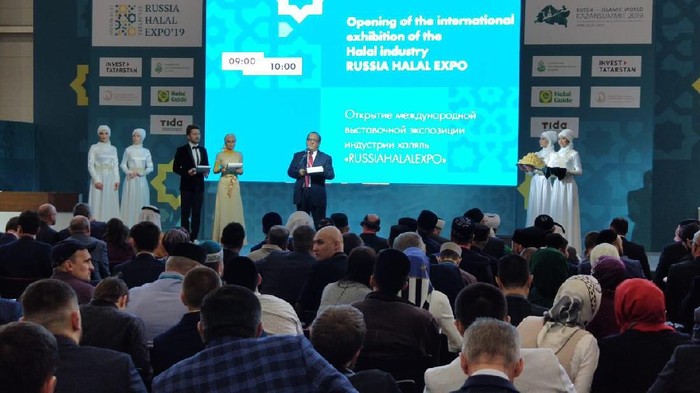
Source: Detik News
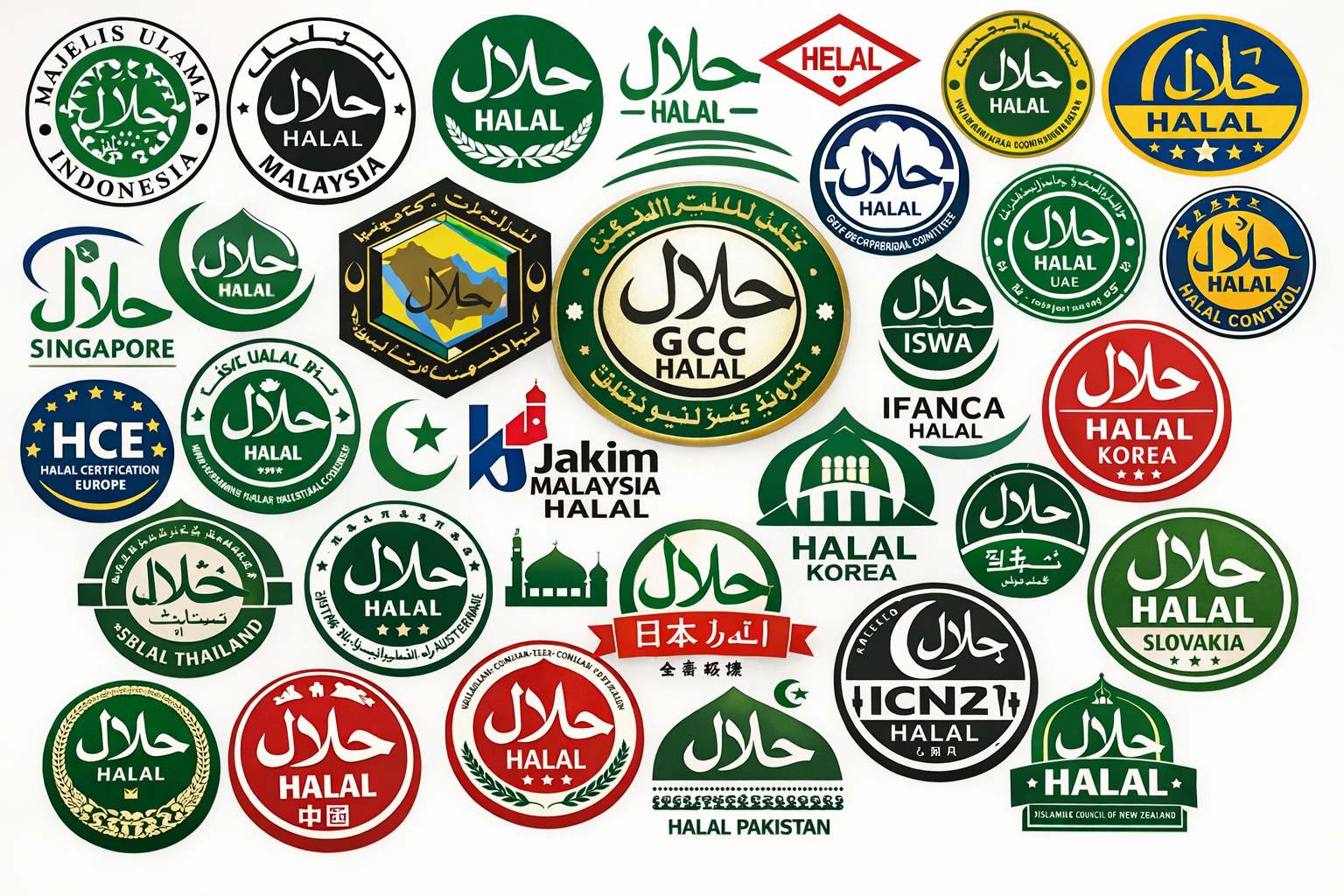
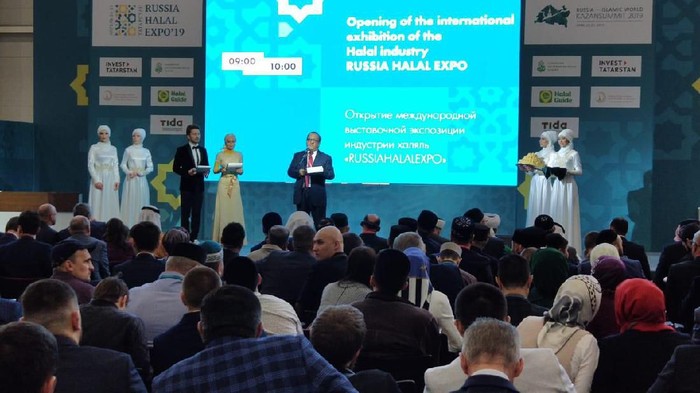
Kawaguchiko, Japan – In a significant development for international halal trade, Russia and Indonesia have formalized an agreement to establish a joint Halal Product Quality Infrastructure. The partnership, signed during the Russian-Indonesian Intergovernmental Commission meeting in Jakarta on Tuesday, aims to streamline certification processes and enhance confidence in halal products exchanged between the two nations.
The Cooperation Agreement
The agreement was signed by Nazary Skrypnik, who heads Rosaccreditation, and Ahmad Haikal Hasan, leader of Indonesia’s Halal Product Assurance Agency (BPJPH). This collaboration arrives at a strategic moment, as Russia seeks to expand its agricultural exports—particularly beef and other livestock products—to Indonesia’s substantial market of over 270 million people, the world’s largest Muslim population.
“This framework creates a clear pathway for Russian producers to meet Indonesia’s halal requirements,” noted an official present at the signing ceremony. “It represents a substantial step forward in our trade relationship.”
Responding to Market Growth
The partnership reflects the rapidly expanding global halal market, currently estimated at over $2 trillion for food products alone, with projections suggesting it could reach $9 trillion by 2034 across various sectors.
This growth is driven by multiple factors:
- The expanding global Muslim population, currently at approximately 1.9 billion
- Increasing recognition of halal certification as an indicator of quality and ethical production
- Growing standardization efforts across international markets
- Significant economic opportunities for both Muslim-majority and non-Muslim countries
For Russia, the agreement forms part of a broader strategy to diversify exports and increase trade with Organization of Islamic Cooperation (OIC) member countries. This initiative builds on Russia’s establishment of Roskachestvo-Halal in May 2023, an accredited domestic halal certification agency.
Key Benefits of the Infrastructure
The new Halal Product Quality Infrastructure is expected to deliver several important benefits:
- Harmonized Standards: Aligning certification procedures between Russia and Indonesia to reduce regulatory complexities
- Mutual Recognition: Working toward eliminating duplicate certification requirements
- Enhanced Consumer Trust: Providing greater assurance regarding halal compliance for products in both markets
- Facilitated Trade: Creating clearer pathways for Russian agricultural exports to Indonesia
- Strengthened Economic Ties: Fostering broader cooperation beyond halal certification
For major Russian agricultural producers like Miratorg, the agreement presents significant opportunities to access Indonesia’s substantial consumer base through more predictable certification processes.
Challenges and Opportunities
Despite the promising framework, building an effective Halal Product Quality Infrastructure will require addressing several challenges:
- Reconciling potentially different interpretations of halal standards
- Ensuring complete supply chain transparency and traceability
- Investing in training for auditors and certification personnel
- Integrating technologies like blockchain to enhance verification systems
- Engaging industry stakeholders throughout implementation
- Removing rather than creating trade barriers
The opportunities, however, are substantial:
- Increased bilateral trade volume in halal products
- Access to new markets for producers in both countries
- Enhanced reputation for halal products from both nations
- Creating a model for similar international partnerships
Looking Forward
This collaboration between Russia and Indonesia signals a growing recognition of the importance of standardized halal certification in international trade. By establishing mutually recognized procedures and standards, both countries are positioning themselves to benefit from the expanding global halal market.
For Russian exporters seeking to tap into Indonesia’s vast consumer base, particularly in the agricultural sector, this agreement provides a clearer pathway. For Indonesian consumers, it offers greater confidence in the authenticity and integrity of halal products originating from Russia.
As Deputy Agriculture Minister Maxim Borovoi had previously indicated, negotiations between the two nations regarding livestock exports have been ongoing, with this new framework representing a significant step toward realizing these ambitions.
The Russia-Indonesia partnership demonstrates how international cooperation can address religious and regulatory requirements while facilitating economic growth—potentially serving as a model for future halal trade agreements worldwide.
Original Articles:
halaltimes.com. (n.d.). Indonesia and Russia Partner on Halal Product Quality Infrastructure. Retrieved April 16, 2025, from https://www.halaltimes.com/indonesia-and-russia-partner-on-halal-product-quality-infrastructure/