Bosnia Positions Itself as Europe’s Gateway to the Global Halal Market
Source: Halal Times
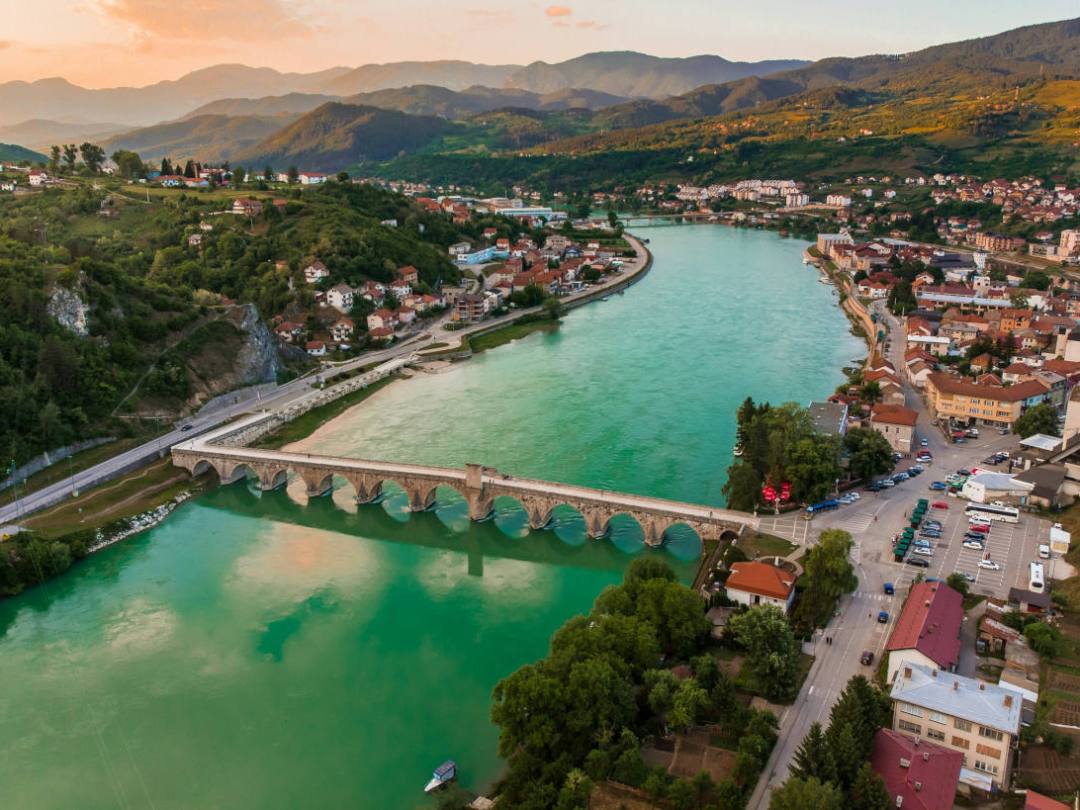
Kawaguchiko, Japan – At the intersection of East and West, Bosnia and Herzegovina is strategically leveraging its unique cultural heritage to establish itself as a key player in the rapidly expanding global halal economy—a market expected to reach $3 trillion by year-end. The nation is set to host two significant events: the European Halal Congress (June 16-17) and the Sarajevo Halal Fair (June 17-19), both representing critical opportunities for this emerging economic powerhouse.
Twin Events Set to Transform Bosnia’s Economic Landscape
The European Halal Congress, entering its third year, will welcome over 200 delegates to Sarajevo’s Hills Hotel. Organized by the Agency for Halal Quality Certification (AHQC) in collaboration with Germany’s Halal Control GmbH and academic institutions including the University of Sarajevo’s Faculty of Islamic Studies and University of Tuzla’s Faculty of Technology, the Congress will delve into crucial areas such as standardization, food safety protocols, and innovative technologies. The third edition of the Journal of Halal Quality and Certification will also be featured, offering scientific insights into evolving industry practices.
Meanwhile, the Sarajevo Halal Fair at the Skenderija Center will create a commercial bridge between producers and buyers. Organized by Rekaz Sarajevo LLC, this consumer-oriented event encompasses diverse sectors including food products, cosmetics, pharmaceuticals, and tourism. The Fair will provide exhibition spaces, facilitate business-to-business networking, and host educational seminars on market trends, with AHQC offering on-site certification guidance.
Strategic Advantages in the Halal Marketplace
With Muslims comprising more than half of its 3.5 million population, Bosnia possesses natural advantages in the halal sector. The country’s strategic location—within easy reach of 44 million Muslim consumers in the European Union—positions it perfectly as Europe’s halal gateway. The domestic industry, currently employing over 10,000 workers and growing at 15-20% annually, benefits from the country’s agricultural resources, skilled workforce, and government support through export incentives.
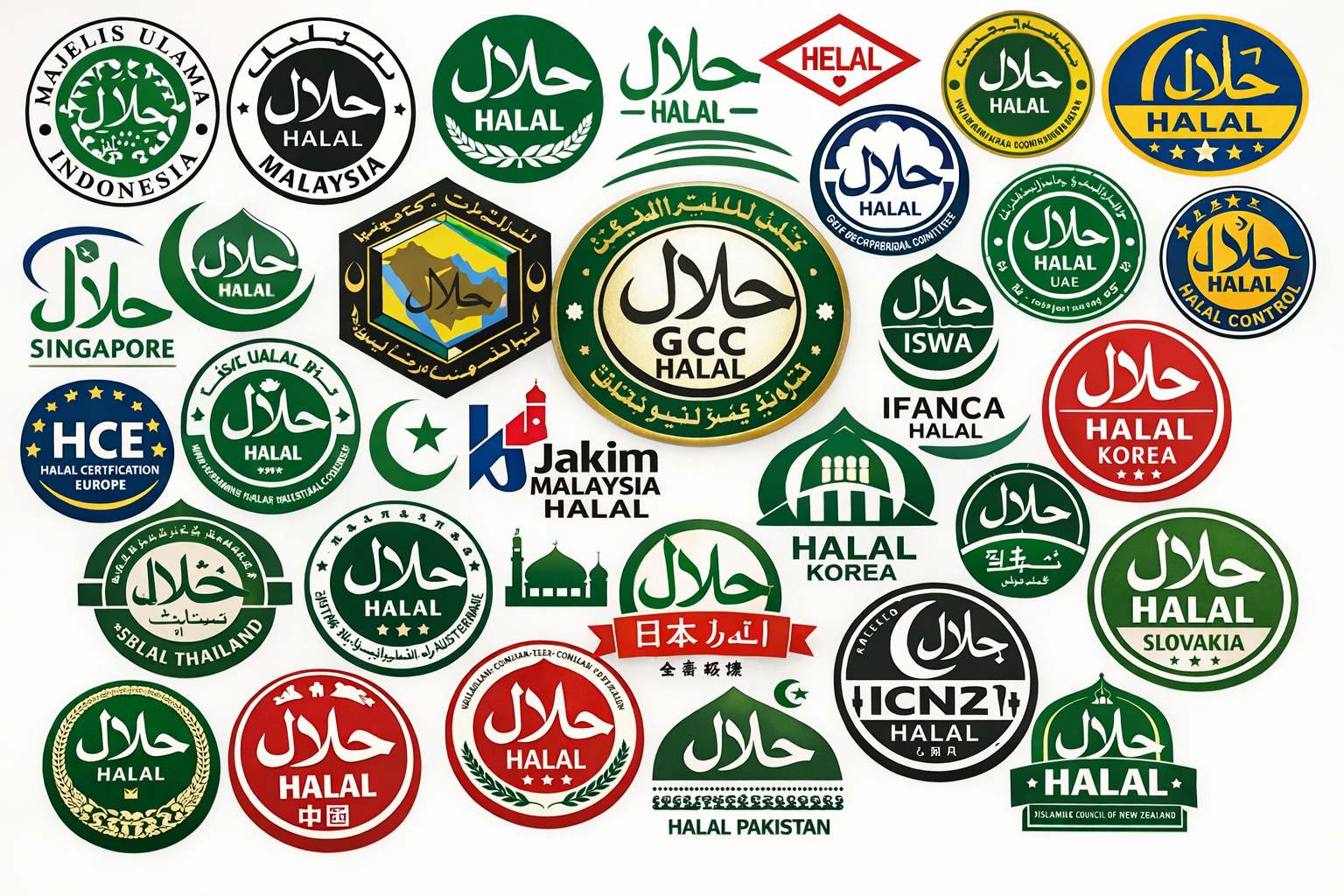
The AHQC, established in 2006 under the Islamic Community of Bosnia and Herzegovina, has certified approximately 7,000 products from 110 companies, with 80% in the food sector. Its certifications carry weight in key markets including Malaysia and the UAE, giving Bosnian producers credibility on the international stage.
Economic Potential Beyond the Events
These twin gatherings are expected to generate significant economic impact. The Congress aims to equip local businesses with expertise to meet international standards, potentially opening access to billion-dollar markets within the Organization of Islamic Cooperation (OIC) countries. Previous regional halal fairs have generated contracts worth $10 million, and Sarajevo expects to exceed this figure by connecting small and medium enterprises with global purchasers.
Bosnia also presents compelling investment opportunities, with land prices approximately 30% below regional averages and competitive labor costs around $600 monthly—significantly lower than Western European markets. Foreign investment in processing facilities could create ripple effects throughout the economy.
Navigating Challenges in a Competitive Landscape
Despite its momentum, Bosnia’s halal sector faces several obstacles. Global certification standards vary significantly across regions, with Malaysia’s JAKIM requirements differing from those in the UAE, Indonesia, and Saudi Arabia. Brand recognition for Bosnian products remains lower than established competitors. The Congress will address these issues through sessions on standardization and mutual recognition agreements.
Sustainability has emerged as another critical focus area. With Muslim millennials increasingly demanding environmentally responsible products, both events will highlight green innovations in this $200 billion market segment.
Timing is crucial for Bosnia’s initiatives. Recent global trade tensions, particularly following U.S. tariff adjustments in April 2025, underscore the need for diversified trade partnerships. The Congress strengthens Bosnia’s ties with OIC nations, while the Fair attracts investment from stable economies like Qatar, helping insulate the sector from Western market volatility.
Looking Ahead: Transformative Potential
As Sarajevo prepares for these June events, stakeholders express cautious optimism about the country’s potential to become a halal trade hub connecting 1.9 billion Muslim consumers worldwide with European markets. Success could fundamentally reshape Bosnia’s economic identity, offering growth opportunities for workers across the value chain from rural farmers to urban certification specialists.
For a nation often overshadowed by larger regional players, the European Halal Congress and Sarajevo Halal Fair represent more than business gatherings—they embody Bosnia’s ambition to establish itself as a significant force in the global halal economy and redefine its place on the world stage.
Original Articles:
halaltimes.com. (n.d.). Upcoming Halal Events To Help Bosnia’s Strategic Leap into the Global Halal Economy. Retrieved April 29, 2025, from https://www.halaltimes.com/upcoming-halal-events-to-help-bosnias-strategic-leap-into-the-global-halal-economy/