Geopolitical Tensions Surge Oil Prices as Strategic Waterway Faces Disruption Risks

Source: Halal Times
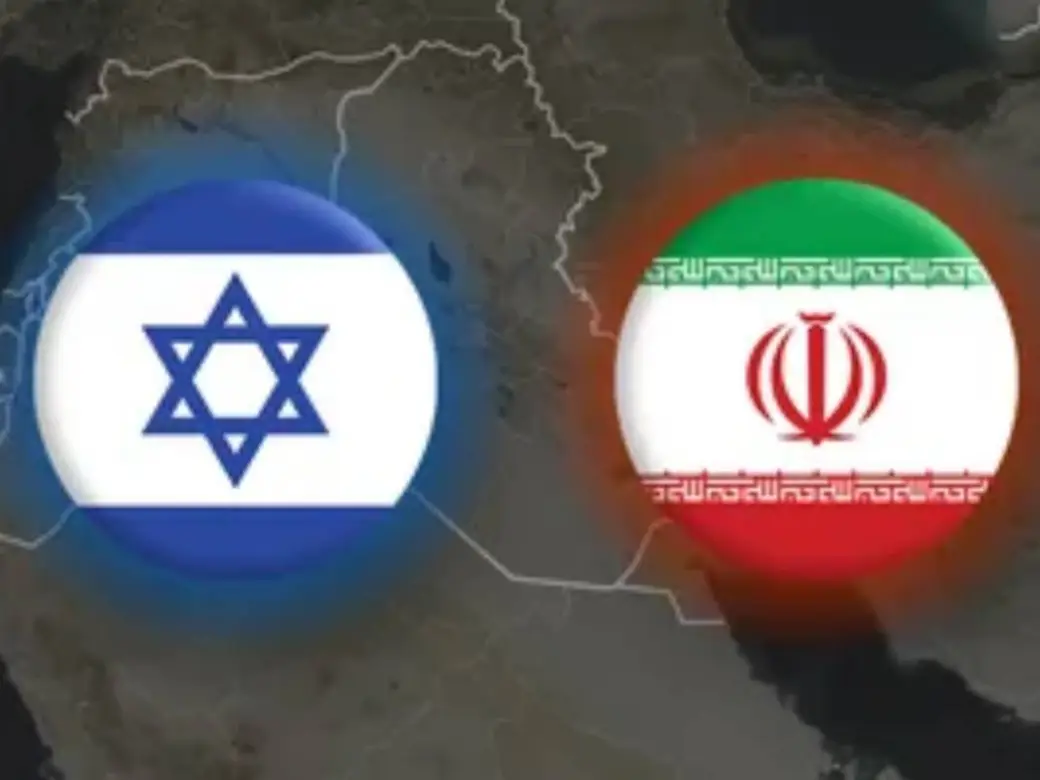
Bandung, Indonesia – Global energy markets are experiencing significant turbulence as escalating Middle Eastern conflicts enter their seventh consecutive day, with crude oil prices reflecting heightened geopolitical anxiety. Market analysts have identified approximately $10 per barrel in risk premium now embedded within current oil valuations, as traders respond to intensifying regional hostilities.
Current Market Dynamics and Price Movements
International oil benchmarks have demonstrated sharp upward momentum, with Brent crude futures climbing to $77.58 per barrel—representing a substantial 2.88% increase from previous levels. Meanwhile, West Texas Intermediate (WTI) has reached $73.20, marking nearly a 3% surge as markets digest the implications of expanding regional conflict.
This price acceleration follows a series of escalatory military actions, including targeted strikes on Iranian nuclear infrastructure at key facilities in Natanz and Arak, coupled with retaliatory missile attacks on Israeli civilian infrastructure, notably medical facilities. The military exchanges have created uncertainty about potential supply chain disruptions across the region’s critical energy corridors.
Strategic Chokepoint Analysis: The Hormuz Factor
The primary concern driving market volatility centers on the Strait of Hormuz, a narrow waterway that serves as perhaps the world’s most crucial energy transit route. This strategic passage facilitates the movement of 20-25% of global petroleum supplies—equivalent to approximately 18-21 million barrels daily—alongside 30% of international natural gas shipments.
Financial institutions have provided varying assessments of potential price impacts should this critical waterway face disruption:
JP Morgan projects that complete closure of the Strait could propel oil prices into the $120-$130 per barrel range, representing a dramatic escalation from current levels.
Goldman Sachs analysts support the current $10 risk premium assessment while suggesting Brent crude could exceed $90 per barrel if disruptions expand beyond current parameters.
Citibank warns that the loss of Iran’s 1.1 million barrels per day export capacity alone could drive Brent prices 15-20% above pre-conflict baseline levels.
Transportation and Infrastructure Challenges
Despite the absence of major export disruptions thus far, the conflict’s impact on maritime operations has become increasingly evident. Tanker charter rates through the Strait have surged nearly 60% as shipping companies factor heightened operational risks into their pricing structures.
Recent incidents have compounded these concerns, including a collision between two oil tankers south of the Strait and reports of electronic interference affecting vessel navigation systems. These developments have created additional operational complexities for energy transportation through the region.
Shell’s Chief Executive Officer, Wael Sawan, characterized the Strait as the “artery through which the world’s energy flows,” emphasizing that any blockage would generate “huge impacts on global trade.” While Iranian threats to close the waterway are considered unlikely by some analysts due to potential U.S. military response, the possibility remains a significant market concern.
Global Economic Implications
The conflict’s potential economic ramifications extend far beyond immediate price movements, particularly affecting major oil-importing economies. Nations such as India and China, which maintain substantial dependence on Middle Eastern petroleum supplies, face particular vulnerability to supply disruptions.
ClearView Energy Partners estimates that each $10 increase in crude oil prices translates to approximately 7 cents per liter in retail fuel cost increases. A complete Strait closure scenario could disrupt 12-15% of global oil supply, potentially driving benchmark prices toward or above $100 per barrel.
Conversely, diplomatic resolution through mechanisms such as renewed U.S.-Iran nuclear negotiations or comprehensive ceasefire agreements could eliminate the current risk premium. Such developments might stabilize WTI in the $68-$70 range and position Brent around $70, given current adequate global supply conditions.
U.S. Policy Implications and Market Uncertainty
American involvement represents a significant variable in market calculations. Recent presidential statements calling for Iran’s “unconditional surrender” and speculation regarding potential U.S. military intervention have intensified market uncertainty.
RBC Capital analysts note that direct U.S. military engagement could trigger attacks on energy infrastructure or shipping vessels, further elevating price pressures. However, DBRS Morningstar suggests any resulting price increases may prove temporary, as elevated oil costs could reduce global demand, creating cyclical downward pressure if tensions subsequently ease.
Market Outlook and Strategic Considerations
Current market conditions reflect a delicate balance between supply security concerns and broader economic fundamentals. Investors continue monitoring both the Strait of Hormuz situation and diplomatic developments as key indicators for future price direction.
The conflict’s ultimate trajectory—whether toward further escalation or diplomatic resolution—will largely determine whether oil markets stabilize at current elevated levels or experience additional significant price increases. These developments carry profound implications for global economic stability, particularly given current inflationary pressures across major economies.
Energy market participants remain positioned for continued volatility as geopolitical developments unfold, with the strategic importance of Middle Eastern energy corridors highlighting the interconnected nature of regional security and global economic stability.
Conclusion
The current situation underscores the persistent vulnerability of global energy markets to regional conflicts, particularly those affecting critical transportation infrastructure. As events continue to develop, market participants face the challenge of balancing immediate supply security concerns against longer-term economic fundamentals, with outcomes likely dependent on both military developments and diplomatic efforts to de-escalate regional tensions.
Original article:
halaltimes.com. (n.d.). Israel-Iran Conflict Could Add $10 Risk Premium to Oil Prices. Retrieved June 23, 2025, from https://www.halaltimes.com/israel-iran-conflict-could-add-10-risk-premium-to-oil-prices/