Halal Supply Chain Trust: Building Consumer Confidence in a Global Market
How can companies maintain religious integrity while navigating complex international trade networks?
Why Halal Trust Matters More Than Ever?
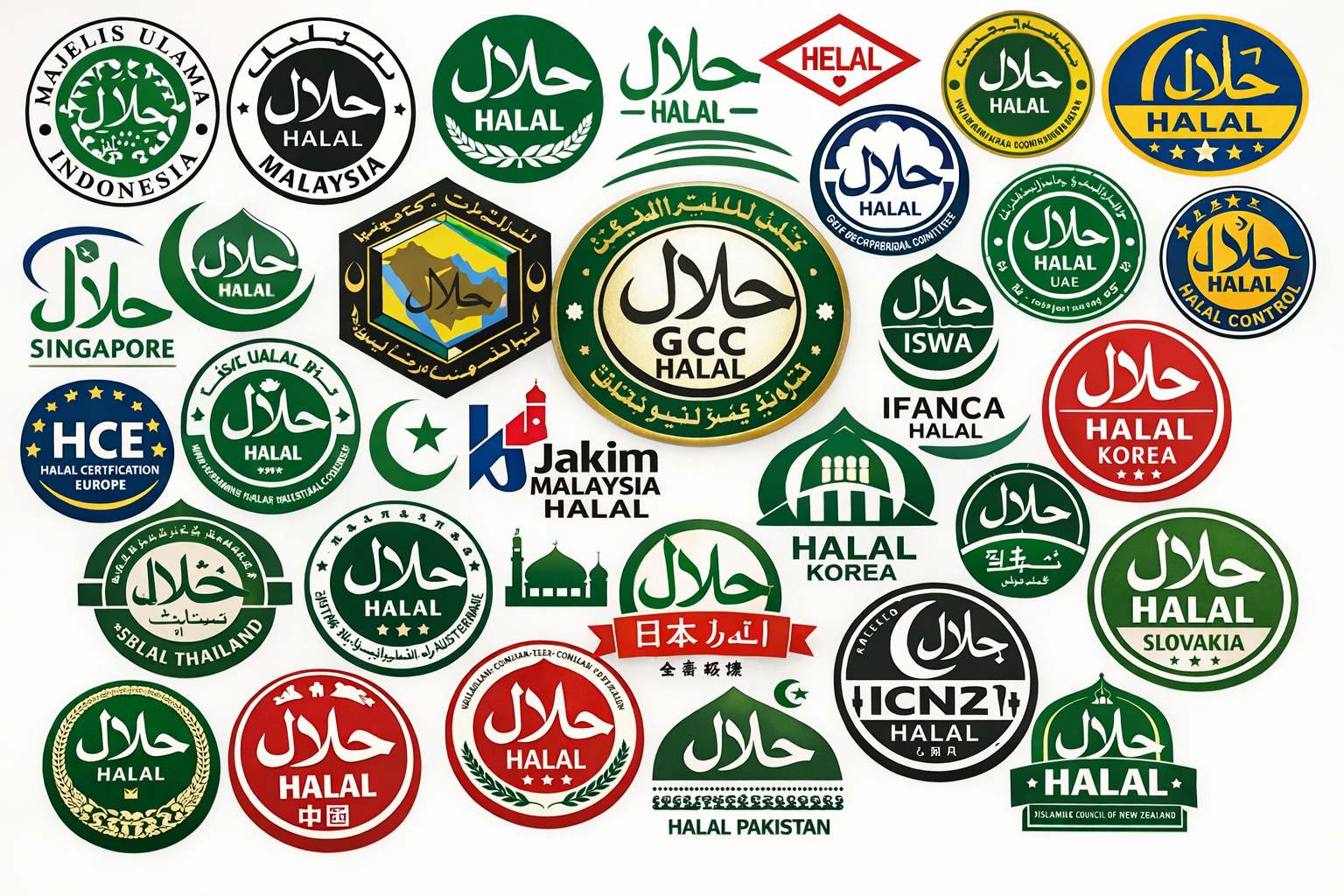
Imagine you’re a Muslim consumer picking up a packaged food item at your local supermarket. You see the familiar halal logo, but do you really know what journey that product took to reach the shelf? In today’s interconnected world, a single product might travel through dozens of facilities, cross multiple borders, and pass through countless hands before reaching you.
This complexity creates a fundamental challenge: How can companies guarantee that products remain halal-compliant throughout their entire journey?
The stakes are higher than many businesses realize. When halal integrity is compromised, Muslim consumers don’t just switch brands—they lose trust entirely. In Muslim-majority countries, news of halal violations can spread rapidly through social media, potentially destroying years of brand building overnight.
Understanding Halal Trust More Than Just a Logo
Dr. Marco Tieman, a leading expert in halal business management, defines halal trust as “the confidence Muslim consumers have in a product’s religious integrity throughout its entire lifecycle.” But here’s the key insight: trust isn’t built by slapping a halal logo on packaging—it requires a comprehensive approach.
Think of halal trust like a building supported by five essential pillars:
1. Excellence (Ihsan)
This isn’t just about meeting minimum halal requirements. Companies must strive for the highest standards in both religious compliance and product quality. It’s the difference between “technically halal” and “exceptionally halal.”
2. Transparency
Modern consumers want to see inside the supply chain. Companies that openly share their processes, sources, and quality controls build stronger relationships with their customers. Transparency turns skeptical consumers into brand advocates.
3. Halal Authenticity
This goes beyond compliance—it’s about a company’s genuine commitment to Islamic values. Does the organization truly understand and respect halal principles, or is it just checking boxes for market access?
4. Intention (Niyyah)
In Islamic tradition, intention matters as much as action. Companies must demonstrate that their halal commitment comes from genuine respect for Muslim consumers, not just profit motives.
5. Certification
While the halal logo is what consumers see, effective certification extends far beyond the final product. It encompasses every step of the supply chain, from raw materials to retail shelves.
The Global Reality: Why Supply Chains Are Getting Harder to Control?
Here’s a sobering fact: Most companies don’t actually know what happens in their supply chains. A typical consumer product might involve:
- Raw material suppliers in multiple countries
- Processing facilities with varying standards
- Transportation through mixed-cargo networks
- Storage in shared warehouse facilities
- Distribution through multi-brand retail channels
Each handoff represents a potential point of contamination or compliance failure. Traditional supplier contracts often include vague language about “maintaining standards” without specific halal requirements or audit procedures.
The situation is becoming more complex as countries like Indonesia implement stricter halal regulations, making compliance a legal requirement rather than just a market preference.
The Solution: Measuring What You Can’t See
The HSC Alliance has introduced an innovative approach: the Halal Supply Chain Rating—think of it as a “credit score” for halal compliance. This 5-star rating system provides companies with a clear benchmark for their halal supply chain performance.
How the Rating Works
The evaluation combines three modern approaches:
- Physical Inspections: Experts visit facilities to assess actual conditions and procedures—no relying on paperwork alone.
- Benchmarking: Companies are compared against industry leaders, not just minimum standards.
- AI Analysis: Artificial intelligence processes vast amounts of data to generate objective, unbiased ratings.
The Seven Pillars of Assessment
The rating evaluates companies across seven critical areas:
- Cleanliness Standards: How well facilities maintain hygiene and cleanliness protocols
- Information Systems: Whether halal products are properly identified and tracked throughout the journey
- Staff Competency: How knowledgeable and responsive employees are regarding halal requirements
- Inspection Processes: The speed and thoroughness of halal verification procedures
- Specialized Services: Availability of halal-specific storage, transport, and handling facilities
- Network Connectivity: Access to certified halal logistics and distribution networks
- Standards Compliance: Adherence to recognized halal certification requirements
Who Gets Rated?
The system evaluates every player in the halal ecosystem:
- Brand owners who develop products
- Retailers who sell to consumers
- Suppliers who provide ingredients and materials
- Logistics providers who move products
- Warehouse operators who store inventory
- Transportation companies who deliver goods
- Airports and seaports that handle international shipments
- Industrial parks that house multiple facilities
The Business Case: Why This Matters Beyond Compliance
High halal supply chain ratings deliver tangible business benefits:
- Enhanced Reputation: Companies with strong ratings become preferred partners for Muslim consumers and B2B clients.
- Competitive Advantage: In crowded markets, superior halal credentials help products stand out.
- Risk Mitigation: Proactive compliance reduces the risk of costly recalls, legal issues, and reputation damage.
- Market Access: Strong ratings can open doors to new markets, particularly in Muslim-majority countries with strict import requirements.
- Premium Positioning: Consumers often pay more for products they trust completely.
The Evolution of Halal Commerce
The halal industry is rapidly maturing from a niche religious requirement to a sophisticated global marketplace. Future success will require:
- Proactive Management: Companies can no longer rely on reactive approaches—they must build halal integrity into their DNA.
- Technology Integration: Digital tracking, blockchain verification, and AI monitoring will become standard tools.
- Stakeholder Alignment: Everyone from board members to truck drivers must understand their role in maintaining halal integrity.
- Continuous Improvement: Like any quality system, halal compliance requires ongoing measurement, monitoring, and enhancement.
The Bottom Line
In an increasingly complex global economy, maintaining halal trust requires more than good intentions—it demands systematic approaches, measurable standards, and unwavering commitment. The companies that master halal supply chain management won’t just serve Muslim consumers better; they’ll build more resilient, trustworthy businesses that can compete effectively in any market.
The message is clear: In the global halal economy, trust is the ultimate currency and it must be earned every single day, at every single step of the supply chain.
The Halal Supply Chain Rating represents a significant step forward in creating transparency and accountability in the global halal industry, providing both companies and consumers with the tools they need to make informed decisions.
Original Article:
Halal Focus. (2025, June 30). Building halal trust: Challenges and opportunities in the global supply chain. HalalFocus. https://halalfocus.com/building-halal-trust-challenges-and-opportunities-in-the-global-supply-chain/