Turkish President Calls for Enhanced Islamic Economic Cooperation
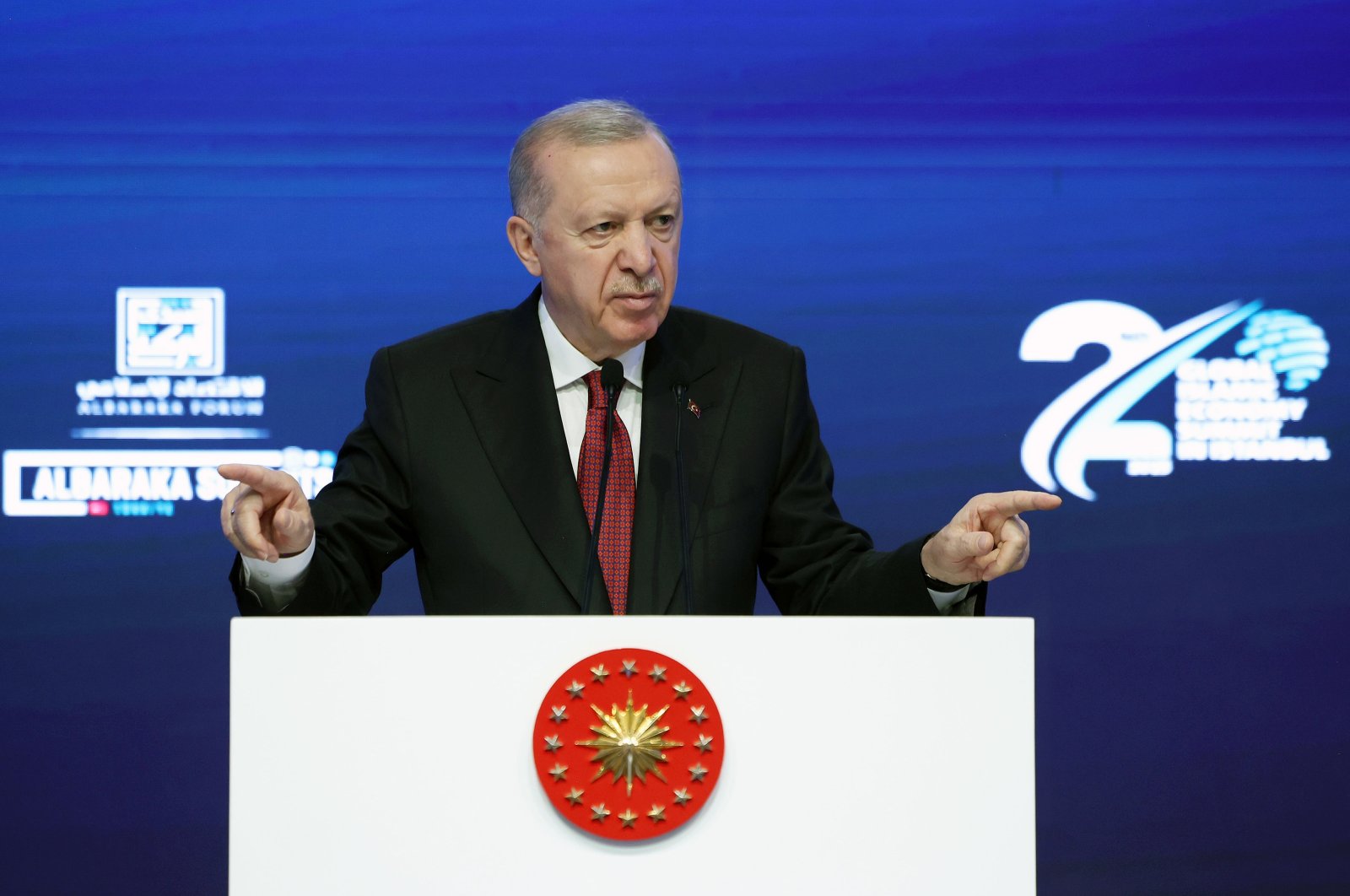
At the 2nd Global Islamic Economy Summit held in Istanbul, Turkish President Recep Tayyip Erdoğan called attention to the significant gap between the Muslim world’s demographic presence and its economic influence globally.
Key Statistics Highlighted
Erdoğan pointed out that while Muslims represent 25% of the world’s population, Islamic finance assets amount to only $2.5 trillion. The Organization of Islamic Cooperation, despite being the second-largest international organization after the UN with 57 member countries, accounts for merely 11% of global trade and contributes approximately 9% to the world economy.
Economic Philosophy and Vision
The Turkish president reiterated his philosophical opposition to interest-based economic systems, describing them as illegitimate and calling for alternatives. He expressed his continued commitment to pursuing an interest-free economic model, characterizing the current system as one that deepens inequality and serves the interests of a small capitalist elite.
Erdoğan argued that the existing global economic framework, which prioritizes consumption and profit maximization, sidelines human values and cannot be sustained long-term. He advocated for a more human-centered, equitable, and compassionate economic approach.
Turkey’s Economic Program and Goals
Despite his philosophical stance against interest rates, Erdoğan confirmed Turkey’s commitment to its current economic program led by Finance Minister Mehmet Şimşek. The program, launched in mid-2023, has involved tightening monetary policy to combat inflation, which has decreased from 75% to below 38%. The ultimate objective is achieving single-digit inflation rates.
Istanbul as Islamic Finance Hub
The president emphasized Turkey’s ambition to establish Istanbul as a global center for Islamic finance, highlighting initiatives within the Istanbul Financial Center framework. He stressed the city’s strategic advantages, including its location and accumulated expertise in the field.
Legislative Developments
Finance Minister Şimşek announced that Turkey is developing new Islamic finance legislation to be presented to Parliament. This law aims to strengthen the country’s participation-based financial system and address regulatory gaps in the sector.
Current State of Islamic Finance
Şimşek noted that Islamic finance currently represents just over 1% of global financial assets but has experienced rapid growth. In Turkey, nine participation banks operate, holding an 8.3% share of the national banking system, though this is considered well below its potential.
Vision for Growth
The minister expressed optimism about expanding Islamic finance’s global market share from its current 1% to 2% or even 5% through proper collaboration and strategic initiatives. He emphasized the model’s focus on sustainability, real-economy backing, and inclusive access.
Broader Perspective on Islamic Economics
Bilal Erdoğan, representing the Ilim Yayma Foundation, argued that Islamic economics extends beyond interest-free finance to represent a comprehensive moral and justice-based lifestyle that could serve as an alternative paradigm for humanity. He criticized the narrow understanding of Islamic finance and called for better communication about its foundational principles.
Summit Context
The Global Islamic Economy Summit, organized by the AlBaraka Forum for Islamic Economy in collaboration with various Turkish institutions, focused on sustainable growth strategies and increasing Islamic finance’s global economic impact through enhanced cooperation and innovation among industry stakeholders.
Original Article:
Daily Sabah. (2025, July 14). Erdogan urges greater intra-Islamic trade, finance cooperation. https://www.dailysabah.com/business/economy/erdogan-urges-greater-intra-islamic-trade-finance-cooperation/amp