UI-KIU Partnership Advances Sustainable Development and Halal Industry Research
Conference Overview and International Collaboration
The ninth International Conference on Strategic and Global Studies concluded successfully in Kitakyushu, Japan, on July 20, 2025, representing a significant milestone in academic cooperation between University of Indonesia and Kyushu International University. This collaborative effort, supported by Utrecht University and Syarif Hidayatullah Islamic University, brought together more than 100 scholars, students, and industry professionals from 15 countries for two days of intensive discussions. The conference theme, “Developmental Transitions and Social Change in Japan and Asia: Building Sustainability, Innovation, and Global Partnership for a Prosperous Future,” addressed critical contemporary challenges facing the Asia-Pacific region.
Vision Beyond Current Sustainability Goals
– Post-2030 Development Framework
University of Indonesia Rector Prof. Dr. Ir. Heri Hermansyah delivered a forward-looking address challenging the global academic community to consider development strategies beyond the 2030 Sustainable Development Goals. He emphasized that rapid technological and industrial advancement has fundamentally transformed the global socio-economic landscape, necessitating new frameworks for international cooperation and development planning. His remarks highlighted the need for proactive thinking about future challenges and opportunities that will emerge after the current SDG timeline expires.
– Equitable Academic Partnership Model
The rector positioned the Indonesian-Japanese university partnership as an exemplary model for equitable North-South academic collaboration through interdisciplinary dialogue. This approach demonstrates how institutions from different economic regions can work together as equals, sharing knowledge and resources to address common challenges. The partnership represents a departure from traditional hierarchical relationships between developed and developing nation universities, instead fostering mutual respect and shared responsibility for global academic advancement.
Institutional Commitment and Regional Impact
Prof. Nicholas Kemp, Director of the International Office at Kyushu International University, reaffirmed his institution’s dedication to global academic cooperation and expressed optimism about expanding the partnership into additional interfaculty collaborations. His vision encompasses broadening the scope of cooperation beyond the current framework to include more academic departments and research areas. The conference’s success in the small city of Kitakyushu was particularly noteworthy, as it demonstrated how academic events can significantly enhance a location’s visibility and tourism potential while contributing to regional development.
Halal Industry Focus and Research Innovation
– Dedicated Research Themes
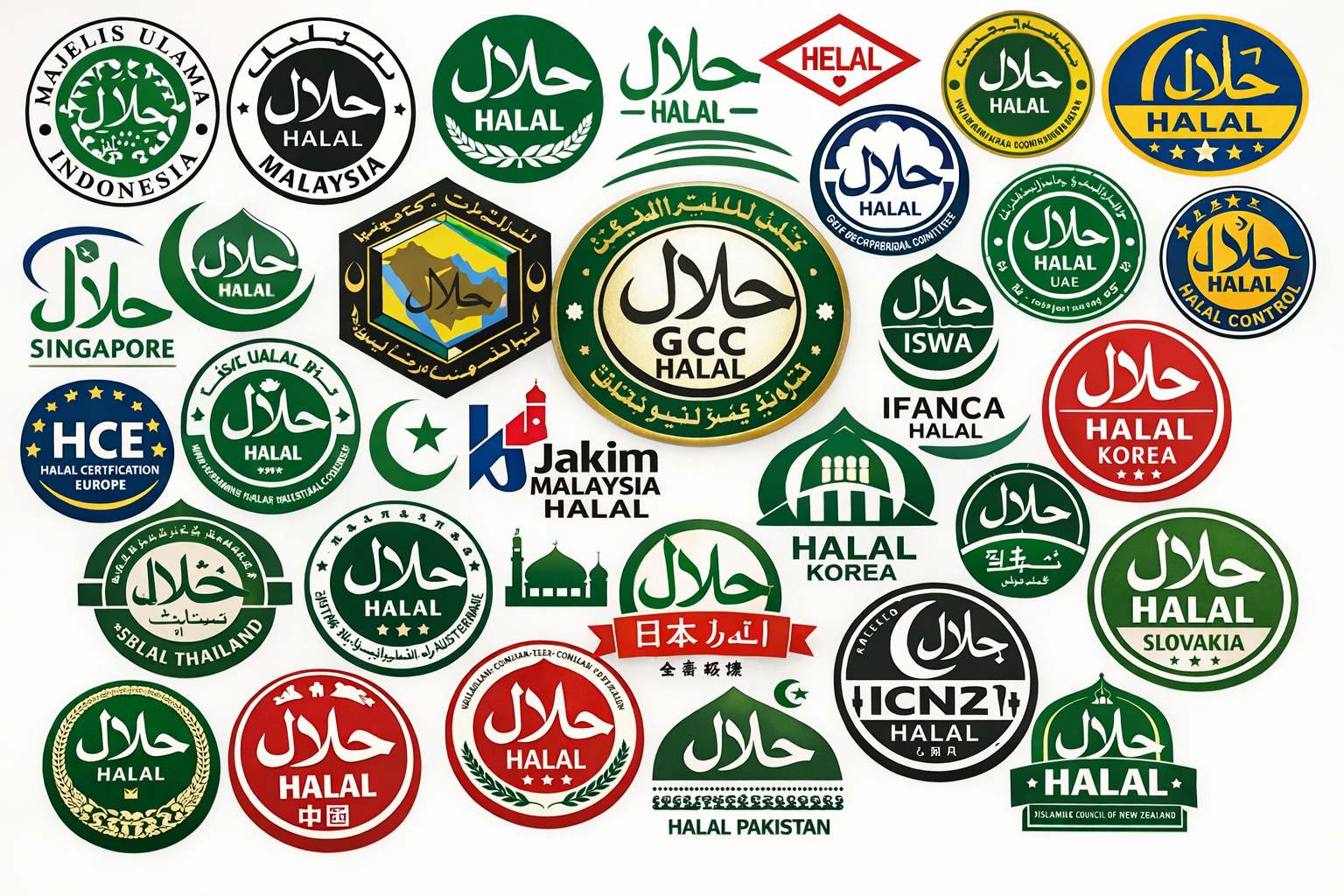
A distinctive feature of this year’s conference was the substantial attention given to halal industry development, with two of the seven main panel sessions dedicated to halal-related themes. These specialized sessions received support from Japan’s JSPS Kakenhi research fund, indicating the growing academic and policy interest in this sector. The panels addressed both technical aspects of halal certification systems and emerging business opportunities within the halal market across Japan and ASEAN countries, reflecting the increasing economic significance of this industry.
– Regional Economic Positioning
Japanese expert Prof. Tatsuo Hatta provided valuable insights into Fukuoka’s strategic positioning within East Asia’s economic epicenter, surrounded by major metropolitan areas including Seoul, Busan, Shanghai, Guangzhou, and Hong Kong. However, he also acknowledged significant infrastructure challenges that the region faces in meeting international tourism and industry demands, particularly the absence of a major airport facility. This analysis highlighted both the opportunities and constraints affecting regional development and international business expansion.
Comprehensive Academic Program
Conference participants engaged in seven major panel sessions and ten parallel sessions covering a broad spectrum of contemporary issues. The program included pathways to achieving 2030 SDG targets, strategies for strengthening urban and community resilience, and discussions on halal standardization and certification systems in the global context. Additional sessions focused on halal industry development and new business opportunities in ASEAN and Japan, industrial development approaches for urban green futures, labor mobility and community development challenges, and the evolving relationship between Indonesia and Japan.
Academic Leadership Perspectives
– Collaborative Strategy Imperative
Prof. Dr. Supriatna, Acting Director of UI’s School of Strategic and Global Studies, emphasized the critical importance of academic collaboration in addressing the complexities of an increasingly interconnected global economy. He argued that collaborative strategies have become essential tools for navigating today’s rapidly changing global landscape, where traditional approaches to international relations and development are proving insufficient. His perspective reflects growing recognition that contemporary challenges require coordinated responses from multiple institutions and countries.
– Inclusive Future Vision
SKSG Deputy Director Dr. Fuad Ghani stressed the importance of developing shared understanding and commitment that extends beyond the 2030 timeline. His emphasis on moving forward together while ensuring no one is left behind reflects principles of inclusive development and equitable progress. He noted that the ninth ICSGS demonstrated the existence of strong bonds not only between participating universities but also between the nations they represent, suggesting that academic collaboration can contribute to broader diplomatic and cultural relationships.
Long-term Impact and Future Directions
The conference’s success in addressing both immediate development challenges and future strategic planning demonstrates the value of sustained international academic partnerships. The combination of technical discussions on halal industry development, sustainability planning, and regional cooperation provides a comprehensive framework for addressing contemporary Asian development challenges. The event’s conclusion marks not an endpoint but a foundation for continued collaboration between participating institutions as they work together to address evolving global challenges and opportunities in the post-2030 development era.
Original Article:
Da Costa, G. (2025, August 10). UI–KIU co-host 9th ICSGS, highlighting sustainable development, halal industry. Indonesia Business Post. https://indonesiabusinesspost.com/4809/society-environment-and-culture/ui-kiu-co-host-9th-icsgs-highlighting-sustainable-development-halal-industry