Vietnam Eyes Trillion-Dollar Halal Market as Global Supply Shortage Creates Export Opportunities
Massive Market Opportunity Amid Supply Gap
The global halal market, valued in the trillions of US dollars, presents a significant opportunity for Vietnamese exporters as current supply meets only 20% of actual demand. According to Shariza binti Abdul Rasheed, head of halal products at Maybank Islamic Berhard Malaysia, this supply shortage spans multiple sectors including food and beverages, cosmetics, and pharmaceuticals.
Despite this potential, Vietnamese participation remains limited, with most products lacking formal halal certification and labeling, restricting access to Islamic markets.
Malaysia Opens Doors for Vietnamese Businesses
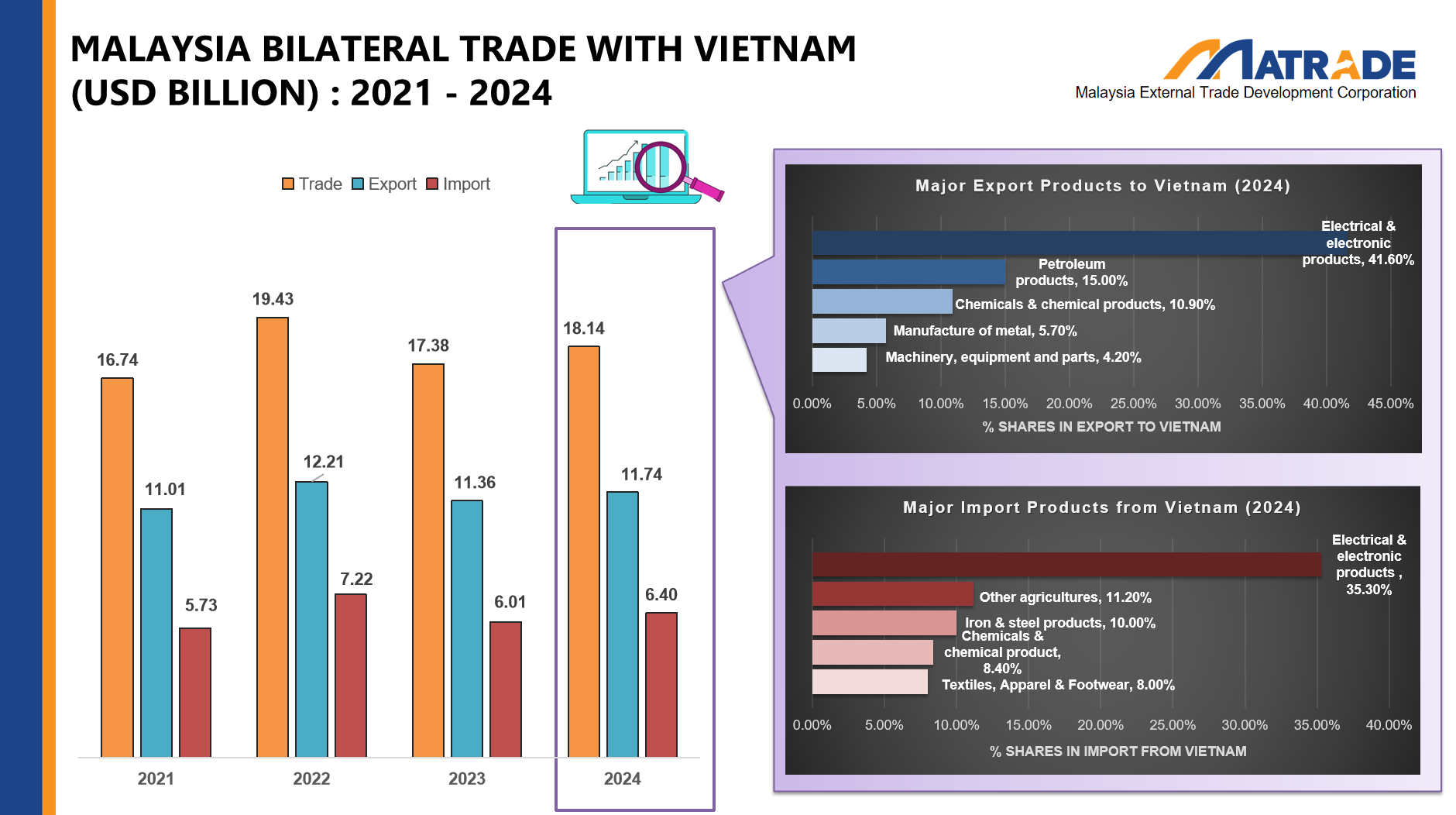
Malaysia is actively supporting Vietnamese enterprises in exploring halal opportunities through strategic partnerships. Zaimah Osman, Malaysian trade commissioner in Ho Chi Minh City, highlighted Malaysia’s role as Vietnam’s key trade partner, offering support through MATRADE’s global network and business-matching initiatives.
A significant milestone was achieved when Malaysia became the first country to officially recognize the Vietnam Halal Certification Agency, enabling easier approval and distribution of Vietnamese products through Malaysian retail systems.
Government Commitment and Trade Agreements
The Vietnamese government has demonstrated strong commitment through its master plan “Strengthening International Cooperation for Halal Industry Development to 2030,” signaling serious intent for global integration with the Muslim world.
Vietnam has signed over 15 free trade agreements with Muslim-majority countries including Malaysia, Indonesia, the UAE, and Turkey, providing preferential tariffs and gateways for export expansion. Ho Thi Quyen, deputy director of the Investment and Trade Promotion Centre of Ho Chi Minh City, emphasized this as a prime moment for Vietnamese businesses, particularly in poultry, agriculture, seafood, and food processing sectors.
Challenges and Solutions for Market Entry
Current Obstacles
- Fragmented certification system: Vietnam’s domestic halal certification lacks widespread recognition from leading international bodies such as JAKIM (Malaysia), MUI (Indonesia), and MUIS (Singapore)
- SME compliance difficulties: Small and medium enterprises struggle to meet halal production requirements, including having Muslim supervisors and investing in certified processing lines
- Knowledge gaps: Limited information, shortage of trained personnel, and market hesitation discourage business participation
Strategic Development Recommendations
Dr. Phu Van Han, vice president of the Ho Chi Minh City Association of Ethnology and Anthropology, outlined essential steps for building a sustainable halal industry, including:
Infrastructure Development
- Establish dedicated industrial parks and logistics hubs tailored to halal production, processing, and distribution
- Create specialized halal training centers in major cities including Hanoi, Ho Chi Minh City, and Can Tho
Human Resource Development
- Implement interdisciplinary training programs combining Islamic law, food technology, hygiene standards, and supply chain management
- Develop a skilled workforce capable of meeting rigorous halal standards
Digital Transformation
- Digitize certification processes and integrate blockchain for traceability
- Enhance transparency while lowering costs, particularly benefiting SMEs entering the global halal market
National Branding Strategy
A proposed “Vietnam Halal Certified” national brand would signal adherence to global standards, elevating the image of Vietnamese products and positioning Vietnam as a trusted supplier to Muslim consumers worldwide.
Market Access Tools and Partnerships
- Salaam Market: An e-commerce platform specifically designed for halal trade
- MATRADE initiatives: Business matchmaking and trade events like MIHAS
- Trade finance instruments: Letters of credit to reduce risk when entering unfamiliar markets
Learning from Global Leaders
- Malaysia: Comprehensive halal ecosystem covering regulation, certification, education, media, and enterprise support
- Indonesia: Mandatory halal certification implementation under its Halal Product Law
- Thailand: Despite not being Muslim-majority, significant investment in halal research and verification
Future Market Potential
With the global halal market expected to reach $5 trillion by 2030, serving more than 2.2 billion Muslim consumers, Vietnam faces a critical window of opportunity to establish itself as a major player in this high-growth export sector.
Original Article:
Vietnam Investment Review. (2025, August 14). Unlocking halal markets for Vietnamese exports. https://vir.com.vn/unlocking-halal-markets-for-vietnamese-exports-134153.html