Indonesia’s Dependency on China: Threatening Economic Diversification and the Halal Industry?
JAKARTA – In the ever-changing landscape of global geopolitics and economics, bilateral relations between nations have become key to national economic development. Indonesia, as a developing country preparing to embrace its demographic dividend in 2030, is not immune to the complex dynamics of international cooperation. However, the deepening dependency on a single major trading partner – China – is beginning to raise concerns about economic diversification and its impact on strategic industries, including the promising halal sector.
History and Evolution of Indonesia-China Relations
The diplomatic relationship between Indonesia and China is not a new phenomenon. Cooperation between the two countries has been established for 75 years, beginning with the signing of diplomatic agreements between President Soekarno and Mao Zedong in 1950. However, significant economic cooperation momentum only occurred during the era of President Susilo Bambang Yudhoyono in 2004.
The era of President Joko Widodo marked an acceleration in economic relations between the two countries through the Belt and Road Initiative (BRI) and the modern silk road. Chinese investment flowed heavily into Indonesia’s mining sector, accompanied by massive exports that made China the second-largest investor after Indonesia itself in 2023.
The continuation of this momentum is clearly visible in the era of President Prabowo Subianto. On May 25, 2025, Prabowo signed strategic Memorandums of Understanding (MoU) with Chinese Prime Minister Li Qiang, covering various crucial sectors:
Strategic Bilateral MoUs:
- Monetary cooperation: Establishment of bilateral transaction framework in local currencies between Bank Indonesia and People’s Bank of China
- Economic development policy: Collaboration between Indonesia’s National Economic Council and China’s National Development and Reform Commission
- Industry and supply chain strengthening: Cooperation between Indonesia’s Coordinating Ministry for Economic Affairs and China’s Ministry of Commerce
- Two Countries Twin Park: Cooperation initiative with Fujian Province
Eight Additional Areas of Cooperation:
- Tourism
- Agricultural exports and quarantine
- Traditional medicine
- Tuberculosis prevention
- Strategic investment (Danantara-China Investment Corporation)
- Business cooperation (Indonesian Chamber of Commerce-China Chamber of Commerce)
- Media collaboration
- News agency cooperation
Reality of Economic Dependency
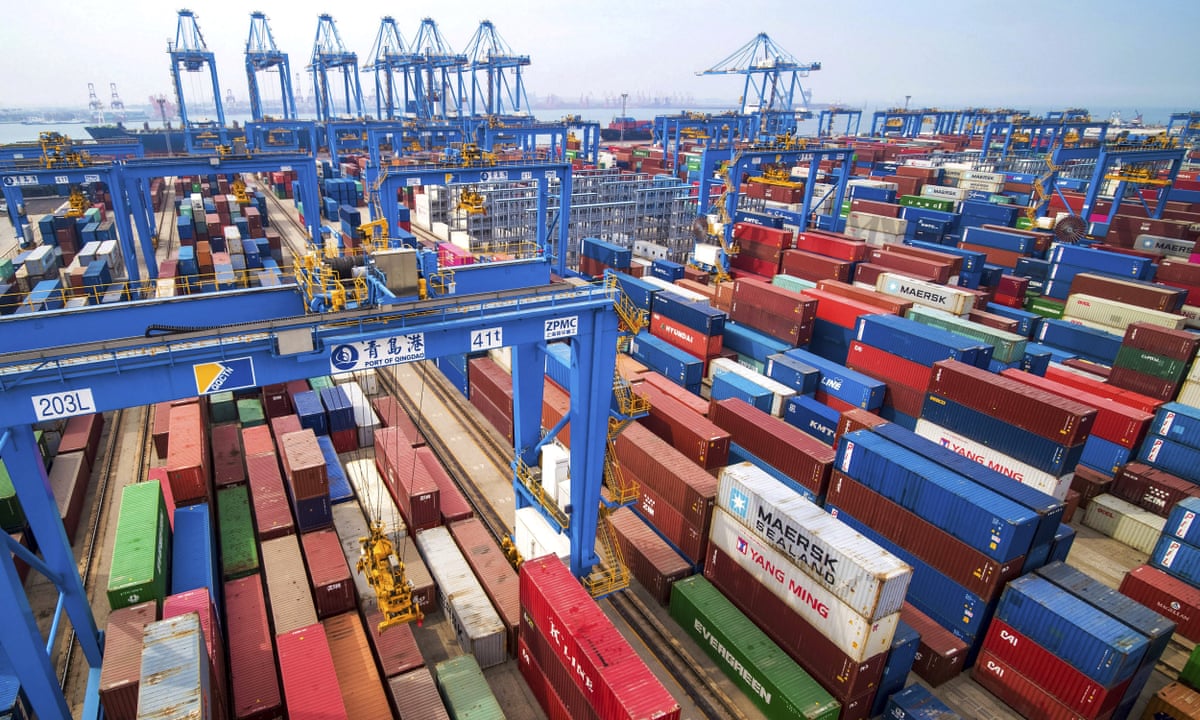
Recent data reveals a staggering intensity of economic relations. Indonesia-China trade value reached $70.8 billion in the first half of this year, increasing 15.5% annually. This figure confirms China’s position as Indonesia’s largest trading partner for both exports and imports.
However, behind these encouraging numbers lies a concerning reality of dependency. Indonesia currently has foreign debt to China amounting to $21.12 billion as of July 2021, consisting of:
- Government debt: $1.66 billion
- State-owned enterprises and private debt: $19.46 billion
This debt structure creates a form of indirect dependency, where every aid or development loan from China is always accompanied by expectations of reciprocal benefits favoring Chinese interests.
Impact on Economic Diversification
Excessive dependency on a single trading partner has begun to show negative impacts on Indonesia’s economic relations with other countries. Several concerning indicators:
Declining Cooperation with Middle Eastern Countries:
- Saudi Arabia: Indonesia’s imports decreased by 14.77%
- Egypt: Reduced cooperation in commodity imports such as dates
Although the government argues that import reduction aims to advance Indonesian MSMEs, reality shows that products circulating in the Indonesian market are predominantly dominated by Chinese products.
Threats to Indonesia’s Halal Industry
Excessive economic dependency on China poses potential threats to the development of Indonesia’s halal industry in the global market. Several major concerns:
- Loss of Cooperation Momentum with Muslim Countries: Declining intensity of relations with Saudi Arabia and Egypt could reduce Indonesia’s opportunities to develop internationally recognized halal standards.
- Limited Market Access: Excessive focus on the Chinese market could limit Indonesia’s halal industry expansion to countries with large Muslim populations.
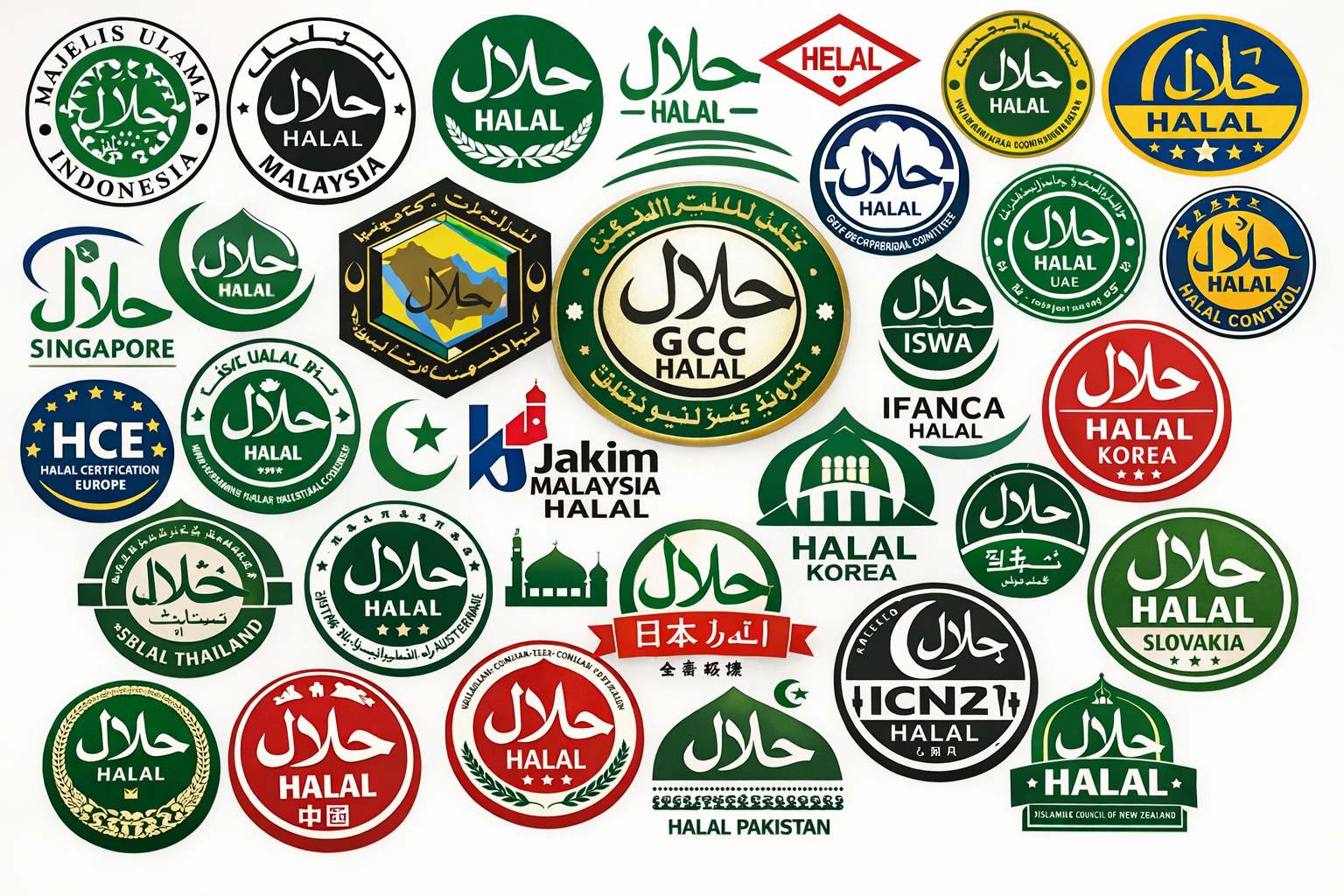
- Different Halal Standards: Differences in understanding and halal standards between Indonesia and China could create complexities in developing halal products for export.
Challenges and Strategic Recommendations
Main Challenges:
- Structural dependency on China’s economy
- Declining diversification of trading partners
- Potential loss of economic sovereignty
- Threats to national strategic industries
Strategic Recommendations:
- Trading Partner Diversification: Indonesia needs to actively strengthen economic relations with other countries, especially in the context of the global halal industry.
- Strengthening Domestic Industry: Focus on developing MSMEs and national industries that can compete with imported products.
- Balanced Economic Diplomacy: Building balanced economic relations without creating excessive dependency on one country.
- Global Halal Standards Development: Leveraging Indonesia’s position as the world’s largest Muslim country to lead international halal standards development.
Conclusion
The intensive Indonesia-China economic relationship brings short-term benefits in the form of profitable investment and trade. However, excessive dependency can threaten Indonesia’s economic sovereignty and hinder healthy diversification in international relations.
Particularly for the halal industry, Indonesia has great potential to become a global leader, but this requires a balanced strategy in building international economic relations. Indonesia’s sustainable economic future lies in its ability to maintain economic independence while optimally utilizing global cooperation opportunities.
It is time for Indonesia to evaluate its international economic strategy to ensure that economic cooperation brings long-term benefits for people’s welfare and national sovereignty, without sacrificing the potential development of strategic sectors such as the halal industry that has bright prospects in the global market.
References:
Karim, M. F., Rahman, A. M., & Suwarno. (2025). Assessing the China threat: Perspectives of university students in Jakarta on the South China Sea dispute and the Belt and Road Initiative. Chinese Political Science Review, 10(1), 123-147.
Mahendra, Y. I., & Setiawati, S. M. A. (2025). Navigating the Continuity of Indonesia-China Relations in the Mining and Energy Sectors After the 2024 Election. Intermestic: Journal of International Studies, 9(1), 19-45.
antaranews.com. (n.d.). Nilai Perdagangan Indonesia-China Naik 15 Persen pada H1 2025. Retrieved August 14, 2025, from https://m.antaranews.com/berita/5025053/nilai-perdagangan-indonesia-china-naik-15-persen-pada-h1-2025
detik.com. (n.d.). Indonesia-China Sepakati 12 Kerja Sama, Ini Daftarnya. Retrieved August 14, 2025, from https://news.detik.com/berita/d-7931697/indonesia-china-sepakati-12-kerja-sama-ini-daftarnya
hmip.fisip.ui.ac.id. (n.d.). Ketergantungan dalam Kemesraan Indonesia-Tiongkok: Refleksi Lima Tahun Terakhir. Retrieved August 15, 2025, from https://hmip.fisip.ui.ac.id/ketergantungan-dalam-kemesraan-indonesia-tiongkok-refleksi-lima-tahun-terakhir/