Malaysia Strikes Back: How a 25% US Tariff Led to Unexpected Trade Wins
Malaysia just pulled off something most developing countries only dream about. They forced the United States into a compromise that protects local interests while opening new market opportunities. What started as a punitive 25% tariff war ended with Malaysia keeping most of what matters while gaining access to American markets.
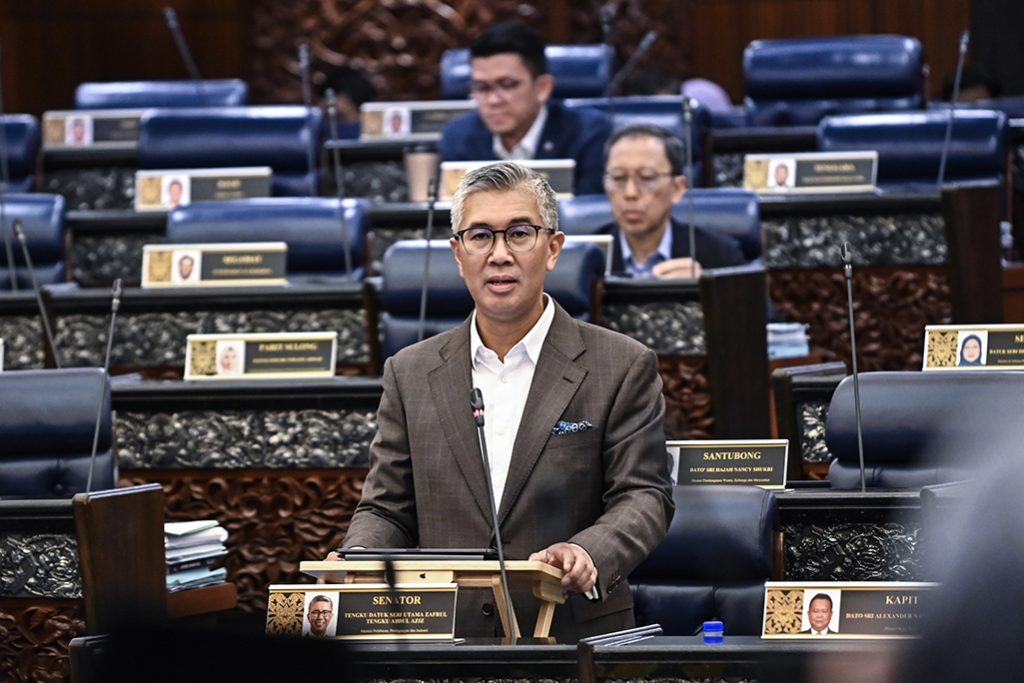
Trade Minister Tengku Datuk Seri Zafrul Tengku Abdul Aziz announced the breakthrough to Parliament, emphasizing that Malaysia negotiated from strength rather than desperation. The Agreement on Reciprocal Trade (ART) reduces US tariffs from 25% to 19%, matching rates imposed on regional neighbors Indonesia and Thailand.
Halal Certification Gets American Recognition
The biggest win might be halal certification. Malaysia will now accept halal certificates from US-based organizations recognized by the Department of Islamic Development Malaysia (Jakim). However, Tengku Zafrul quickly shot down misconceptions about automatic recognition.
“The allegation that Malaysia will automatically recognize US halal certificates is baseless and malicious. That doesn’t reflect what we agreed upon,” he told Parliament.
Instead, American meat and dairy exporters must work with Jakim-approved certification bodies, ensuring Malaysian halal standards remain intact while streamlining import processes. The arrangement facilitates trade without compromising religious compliance – a delicate balance many countries struggle to achieve.
The US agreed to maintain Malaysia’s existing palm oil export tariffs, a significant victory for the country’s largest agricultural export industry. Palm oil represents billions in annual revenue, and protecting those tariff rates shields Malaysian producers from additional competitive pressure.
Malaysia also secured expedited certification procedures for importing US dairy, meat, and poultry products. The agreement includes adopting regional approaches to animal disease management, aligning Malaysian protocols with international food safety standards without sacrificing sovereignty.
Tech Companies Got Mixed Results
Digital services companies received partial relief from Malaysian regulations. The government agreed to temporarily suspend several policies affecting US tech firms, including the 6% contribution requirement to the Universal Service Provision Fund, Domain Name System redirection mandates, and traffic data regulation requirements.
The key word: temporarily. Malaysia retained the right to enforce these policies in the future and only suspended them as long as other countries’ digital companies face similar exemptions. Smart negotiating that maintains policy flexibility while providing immediate trade benefits. However, Malaysia held firm on source code access, particularly in critical sectors. The government refused to offer any concessions that might compromise national security or technological sovereignty.
What Malaysia Kept?
Despite trade pressure, Malaysia protected core interests that define its economic strategy. The government maintained empowerment programs for local vendors, preserved conditions for halal imports, and rejected full liberalization of the automotive market.
These protections matter because they maintain Malaysia’s ability to develop domestic industries while participating in global trade. Rather than accepting absolute liberalization, Malaysia demonstrated that developing countries can negotiate favorable terms without surrendering economic sovereignty.
Industrial Standards Get Streamlined
Malaysia agreed to simplify recognition of US technical standards in automotive, medical devices, and pharmaceuticals. However, American standards must still comply with existing Malaysian regulations – a compromise that facilitates trade while maintaining regulatory authority. The arrangement potentially reduces compliance costs for companies operating in both markets while ensuring Malaysian safety and quality standards remain enforced.
Regional Comparison Shows Smart Strategy
Malaysia’s 19% final tariff rate matches Indonesia and Thailand, while Brunei faces 21% and Myanmar 24%. The regional alignment demonstrates that Malaysia achieved competitive parity with similar economies rather than accepting punitive rates that could have damaged export competitiveness.
“Developing countries like Malaysia can negotiate international market access without submitting to absolute liberalization,” Tengku Zafrul emphasized, highlighting the strategic achievement.
The Numbers That Matter
The stakes were enormous: the US represents Malaysia’s largest export market with RM198.65 billion in annual shipments. Total American investment in Malaysia reaches RM32.82 billion, making trade relationships critical for economic growth.
Protecting market access while maintaining policy sovereignty represents a significant diplomatic and economic victory, especially considering the initial 25% tariff threat that could have devastated Malaysian exporters.
Looking Forward
The government plans continued engagement with industry players to ease the transition and will soon issue a joint statement with the US finalizing agreement details. The successful negotiation demonstrates Malaysia’s growing confidence in international trade discussions.
Rather than accepting demands for wholesale liberalization, Malaysia proved that strategic compromise can protect national interests while securing market access. The agreement preserves sovereignty over critical policies while opening doors that benefit Malaysian exporters. For a developing country facing pressure from the world’s largest economy, Malaysia’s negotiation represents a masterclass in protective trade diplomacy.
Original Article:
Zalani, A. (2025, September 8). ‘No compromise’: Only JAKIM-recognised US halal certifiers allowed for meat, poultry imports, says Tengku Zafrul. The Malaysian Reserve. Retrieved from https://themalaysianreserve.com/2025/08/04/malaysia-will-accept-us-halal-certificates-under-jakim-oversight/


