Indonesian Halal Authority Lifts Suspension, Reopening U.S. Beef Trade
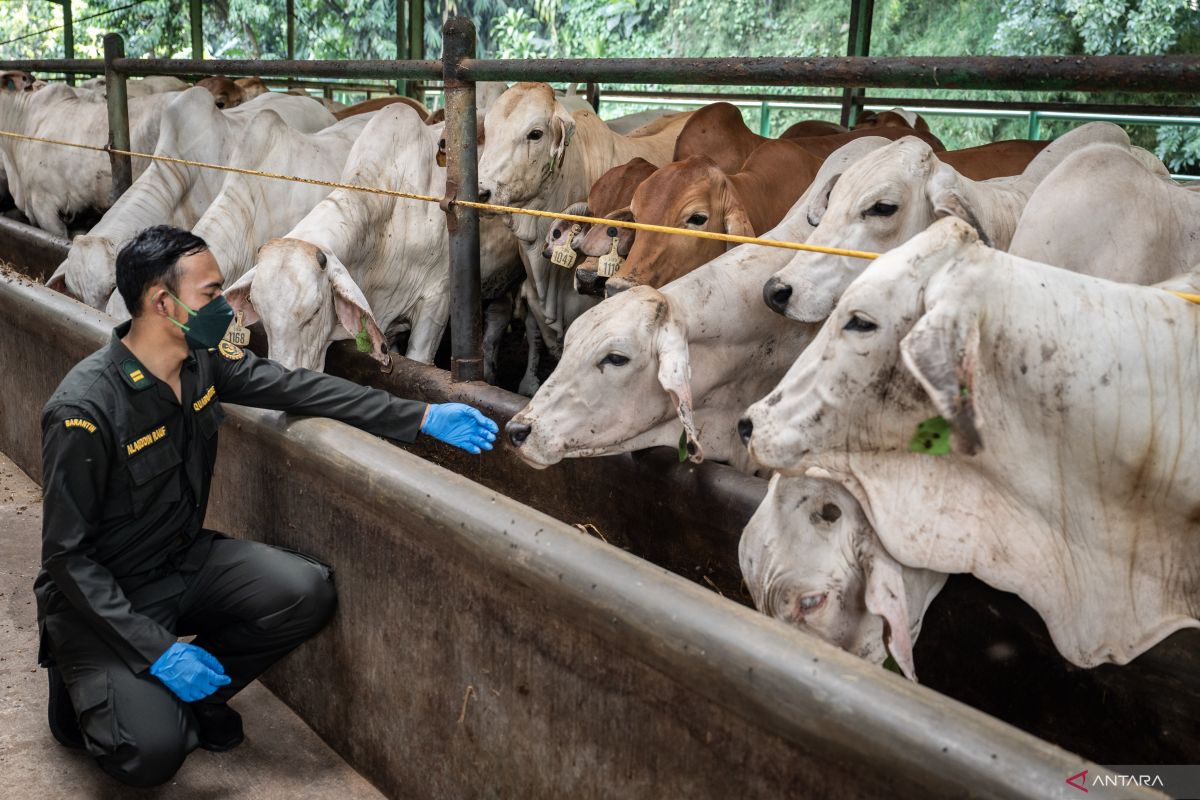
(Source: ANTARA News)
Certification Challenges Resolved After March Export Halt
Certification Reaccreditation Success
The Indonesian Halal Authority (BPJPH) has moved to reaccredit the sole U.S. halal certifying organization approved for Indonesian exports, effectively ending a suspension that began in March 2025. This administrative action removes the primary obstacle that had completely halted American beef exports to the Indonesian market.
U.S. Meat Export Federation (USMEF) Vice President for Asia Pacific Jihae Yang confirmed that BPJPH had initially questioned whether American slaughter practices aligned with Indonesia’s halal certification standards. These regulatory concerns have now been successfully addressed through collaborative efforts between certification bodies.
Market Potential Recognition
With beef trade pathways reopening, Cattlemen’s Beef Board CEO Greg Hanes recognizes significant growth opportunities within the Indonesian market, which imported $93 million worth of U.S. beef products in 2024. This substantial import volume demonstrates existing demand plus potential for expanded commercial relationships between American producers plus Indonesian consumers.
The reaccreditation represents more than administrative compliance—it signals restored confidence in U.S. production methods while validating American adherence to Islamic dietary requirements essential for accessing Muslim-majority markets.
Ongoing Trade Barrier Negotiations
While halal certification reaccreditation eliminated a crucial obstacle for American beef in Indonesia, efforts continue addressing other non-tariff barriers affecting bilateral trade relationships. In late July 2025, the Trump administration released a joint statement plus detailed fact sheet outlining the framework for negotiating comprehensive agreements with Indonesian government officials.
The joint statement employs promising language addressing persistent obstacles that have historically frustrated U.S. exporters while preventing Indonesian markets from approaching their full commercial potential. These high-level discussions target systemic trade challenges beyond individual product certification issues.
Strategic Trade Framework Development
The negotiation framework represents broader efforts to establish sustainable trade relationships that benefit both American agricultural producers plus Indonesian consumers. By addressing regulatory harmonization plus certification standardization, both nations can develop more efficient trade processes while maintaining religious compliance requirements.
This collaborative approach demonstrates how technical certification challenges can be resolved through diplomatic engagement plus mutual understanding of regulatory requirements, creating pathways for expanded agricultural trade relationships in Southeast Asian markets.
Original Article:
Heemstra, J. (2025, September 23). Halal import hurdle cleared for U.S. beef to Indonesia. DRGNews. Retrieved from https://drgnews.com/2025/09/23/halal-import-hurdle-cleared-for-u-s-beef-to-indonesia/