Halal Char Siu: When Cantonese Tradition Meets Muslim Inclusivity
Bridging Culinary Divides in Hong Kong
For years, Hong Kong’s iconic char siu — the glistening, barbecued pork hanging in shop windows — symbolized the essence of Cantonese cuisine. Yet for Muslims, such culinary treasures were off-limits. That is now beginning to change.
Zahoor, a Pakistani resident of Hong Kong, recently experienced something once thought impossible: tasting char siu without breaking halal dietary laws. The dish, made entirely from halal-certified beef, mirrors the appearance and flavor of its pork-based counterpart. “If it’s advertised as beef char siu, we would definitely try it,” Zahoor said. “Having halal options means we can finally enjoy local dishes too.”
A Culinary Innovation: Halal Cantonese Cuisine
At the forefront of this cultural shift is Chinesology, an upscale restaurant in Central, Hong Kong, that developed a halal version of char siu using beef. The innovation required more than HK$100,000 in investment and six months of adjustments — including sourcing halal ingredients, separating utensils, and redesigning kitchen zones to comply with Islamic dietary laws.
“It wasn’t easy,” said Don, the restaurant’s general manager. “We failed many times before we got it right. But the goal was not just business — it was about sharing a part of Cantonese culture with our Muslim guests.”
Understanding Halal and Its Standards
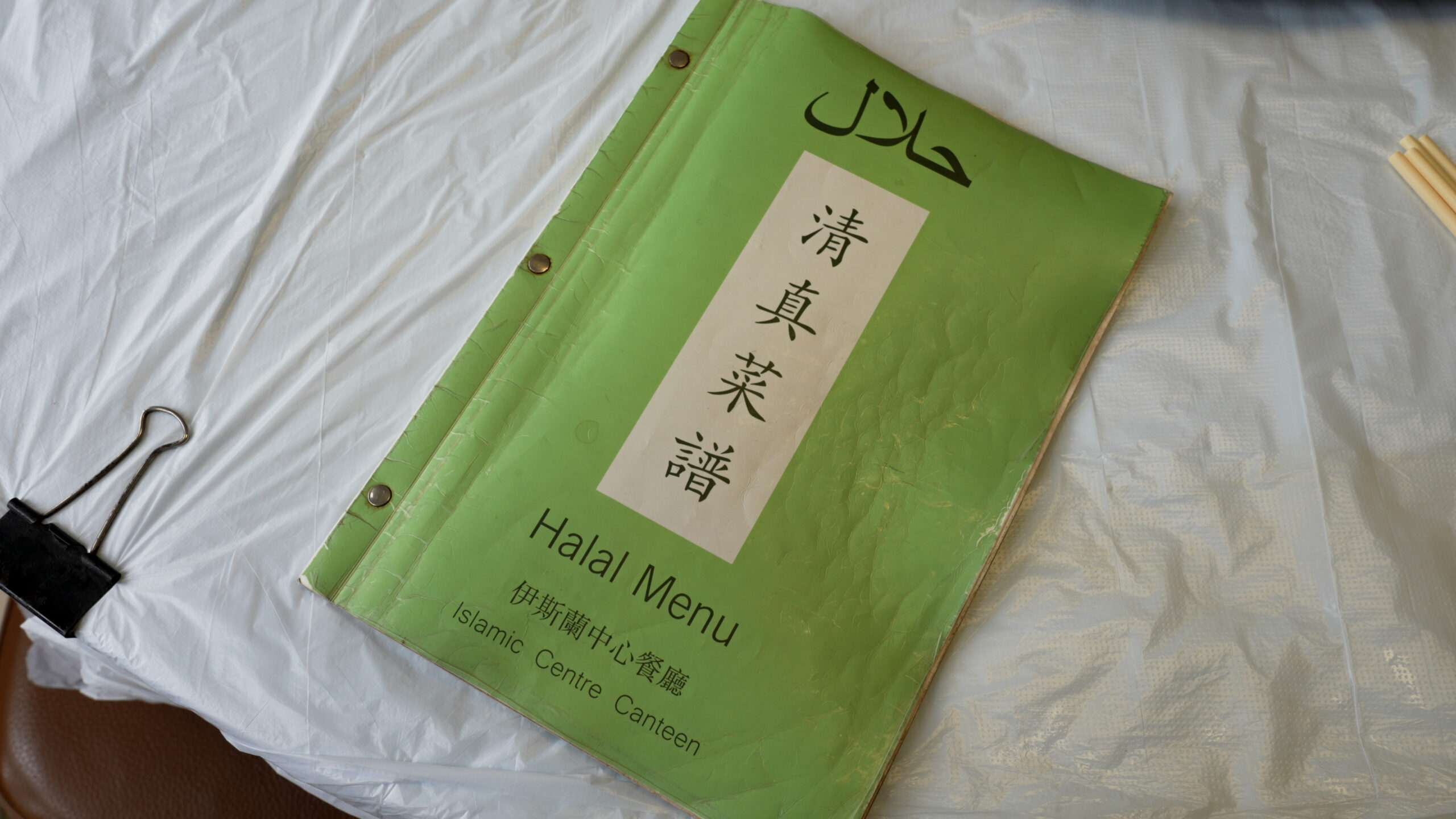
The term “halal” (حلال) in Arabic means “permissible.” In culinary practice, it extends beyond avoiding pork or alcohol — requiring ethical animal slaughter, halal certification of all ingredients, and strict segregation between halal and non-halal utensils.
In Hong Kong, these standards are managed by the Incorporated Trustees of the Islamic Community Fund, which operates a three-tier certification system:
- Full halal, where all food, ingredients, and preparation are strictly halal.
- Partial halal, allowing alcohol in the dining area but not in the kitchen.
- Mixed establishments, serving both halal and non-halal food with clear separation and hygiene controls.
A Growing Movement Toward Halal Diversity
Although Hong Kong boasts a vibrant food scene, halal-certified options have historically been limited. Until 2024, there were barely 100 halal restaurants — mostly hotel buffets or South Asian eateries. That number has now tripled to around 300, with a government target of 500 halal-certified outlets by the end of 2025.
This expansion aligns with Hong Kong’s tourism agenda. Chief Executive John Lee has emphasized Muslim-friendly infrastructure in his policy address, aiming to attract visitors from Southeast Asia and the Middle East.
Preserving Authentic Flavors the Halal Way
Long before fine-dining establishments took interest, smaller venues were already serving halal versions of Cantonese staples. At the Wan Chai Islamic Centre Canteen, halal dim sum has been served for over two decades.
Chef Yeung Cheuk-hung explained, “When pork wasn’t an option, we had to adapt. For example, our halal siu mai uses chicken and fish instead. It’s softer, but still authentic.”
For many Muslim tourists, such as visitors from Singapore and Malaysia, this halal dim sum is a must-try experience. One Malaysian diner noted, “Having halal-certified local dishes makes us feel included. I hope to see halal roast duck next.”
Halal Tourism: A Market of Untapped Potential
Globally, the halal tourism and food sector is expanding rapidly. Sharifa Leung, a halal industry consultant in Hong Kong, helps restaurants and hotels adopt halal practices. She describes halal food as “one of the world’s biggest untapped markets.”
According to the Global Muslim Travel Index, Muslim travelers are projected to reach 245 million by 2030, spending over USD 230 billion annually. Yet, in Hong Kong, they currently account for less than 3% of total visitors. Despite this, the city now ranks third most Muslim-friendly among non-Muslim-majority economies.
“Halal certification can raise costs by 10–20%,” Leung explained. “But the return is real — one restaurant saw sales rise soon after certification.” She advises establishments to start small by offering a few halal-friendly options first, emphasizing that “halal is about safety, wholesomeness, and trust.”
A Taste of Inclusion
From the innovative halal beef char siu of Chinesology to the humble halal dim sum of Wan Chai, Hong Kong’s culinary scene is embracing a quiet transformation. Beyond expanding menus, this evolution represents a deeper shift — one of cultural inclusivity and respect.
For the city’s growing Muslim community and its visitors, it’s more than just food. It’s a symbol that they, too, are finally welcome at the table.
Original Article:
Radio Television Hong Kong (RTHK). (2025, October 22). Halal certification boosts confidence in Hong Kong food sector. Retrieved from https://news.rthk.hk/rthk/en/component/k2/1821961-20250915.htm