Colombia Secures Halal Certification to Boost Coffee and Cocoa Exports to the Middle East
By Colombia One
Colombia’s New Market Breakthrough
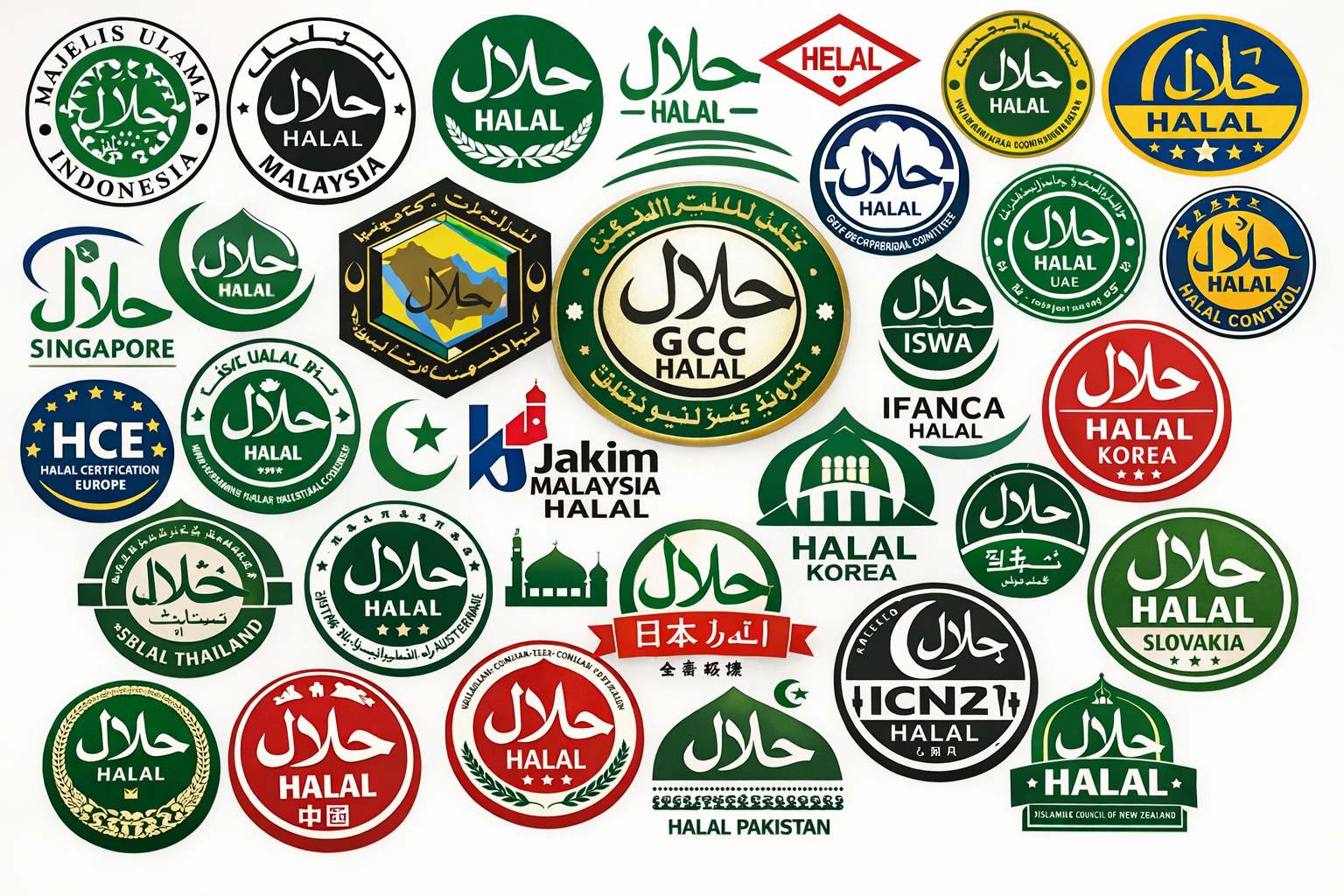
Colombia has officially obtained Halal certification for its coffee and cocoa exports, marking an important milestone for the country’s agro-industry. President Gustavo Petro announced the achievement from Riyadh, Saudi Arabia, during the Future Investment Initiative (FII) forum — the first destination in his Middle East tour, which also includes Egypt and Qatar.
The certification holds both symbolic and commercial weight, signaling Colombia’s determination to access one of the world’s most regulated food markets. By meeting Islamic dietary standards, Colombian coffee and cocoa are now positioned to enter Muslim-majority markets more directly and competitively.
A Step Toward Export Diversification
Historically, Colombia has relied heavily on the United States as its main export partner for more than a century. The move to secure Halal certification aligns with the government’s broader strategy to diversify export destinations and reduce dependency on traditional markets.
Still, Colombia’s National Federation of Coffee Growers (FNC) noted that Colombian coffee has long been sold in Muslim markets. Thus, while the certification strengthens institutional credibility, its immediate commercial impact may vary depending on the product category and degree of processing.
What Halal Certification Means for Colombia
The term “Halal” refers to what is permissible under Islamic law. In the food sector, this includes both standard food safety requirements and specific religious criteria. For Colombia, receiving Halal certification means its coffee and cocoa products now meet the requirements needed to enter markets where Islamic compliance is mandatory.
President Petro emphasized that the certification supports rural communities by enabling farmers and cooperatives to trade their products more directly with Middle Eastern buyers. He highlighted that the initiative aligns with the government’s plan to substitute illicit coca cultivation with legal, value-generating crops such as coffee and cocoa.
Opportunities for Producers and Cooperatives
According to the official communication, Halal certification is expected to simplify trade channels for small-scale producers, reducing the reliance on intermediaries that previously limited direct export participation. This development may create opportunities for cooperatives and rural enterprises to engage more competitively in Middle Eastern markets.
Colombia’s Strategic Position in Global Coffee and Cocoa Markets
Colombia remains the world’s third-largest coffee producer, behind Brazil and Vietnam. Meanwhile, cocoa is gaining strategic importance as producers seek to diversify export destinations and develop higher-value products.
The newly certified trade route may increase demand for processed or semi-processed goods that comply with international and religious standards. This shift could allow Colombian exporters to secure better margins by moving up the value chain.
Industry Response to the Certification
Reactions within the industry are mixed. FNC pointed out that Colombia’s coffee already reaches Middle Eastern markets, noting that 56,234 bags were exported to Saudi Arabia in 2023 and 118,992 bags in 2024. From this perspective, Halal certification represents an institutional improvement rather than a transformative change for all segments of the industry.
The variance in viewpoints stems from the fact that green coffee beans often do not require Halal certification, while processed and packaged products generally do. Therefore, the certification offers new strategic advantages primarily for producers targeting retail markets and consumer-ready goods.
Adapting to Halal Supply Chain Standards
While obtaining Halal certification is a major step, effective compliance requires full alignment across the supply chain — including production, processing, packaging, logistics, and documentation. Producers must ensure robust traceability systems, adopt high agricultural standards, and develop a solid understanding of market expectations.
For businesses unfamiliar with exporting to the Middle East, building this operational capacity may require additional training and partnerships.
Broader Trade Implications
The push to expand into Middle Eastern markets coincides with ongoing trade tensions affecting Latin American exports to the United States. By strengthening ties with the Arab world, Colombia is seeking to stabilize its export base and reduce vulnerability to market fluctuations.
Establishing stronger and more structured trade relationships with Muslim-majority countries may ultimately offer greater long-term security for Colombia’s agricultural sector.
Original Article:
ColombiaOne. (2025). Colombia halal certification coffee cocoa. ColombiaOne. https://colombiaone.com/2025/10/30/colombia-halal-certification-coffee-cocoa/