Halal Packaging Market Expected to Hit USD 516.16 Billion by 2032 with 7% CAGR
The global halal packaging market is projected to experience robust growth over the coming decade, driven by the expansion of halal consumption worldwide. Valued at USD 300.41 billion in 2024, the market is forecast to reach USD 516.16 billion by 2032, registering a compound annual growth rate (CAGR) of 7% during the 2025–2032 period.
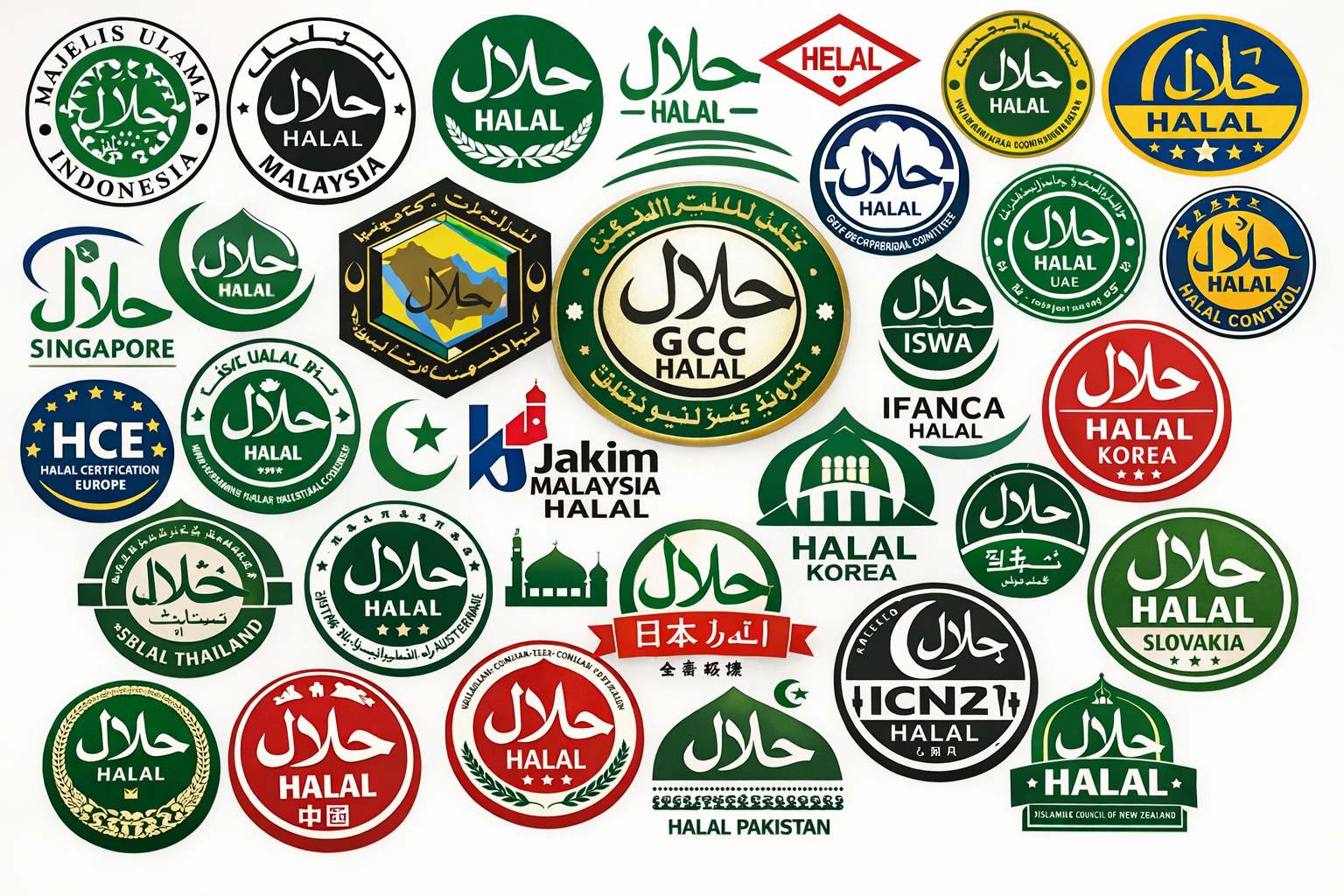
Halal packaging has become a fundamental component of the global halal ecosystem. It refers to packaging materials, handling methods, and processes that comply with Islamic principles, ensuring products remain uncontaminated by non-halal substances throughout production, storage, and distribution. This form of packaging is essential for preserving the halal integrity of food and beverages, pharmaceuticals, cosmetics, and personal care products.
The steady rise in the global Muslim population, coupled with growing awareness of halal standards, is significantly increasing demand for halal-compliant packaging solutions. Manufacturers and brand owners are increasingly integrating halal packaging into their operations to fulfill certification requirements, strengthen consumer confidence, and gain access to high-growth halal markets.
From a global perspective, market leadership is concentrated in countries with strong halal certification systems, large Muslim consumer bases, and developed food and pharmaceutical industries. Malaysia leads the global halal packaging landscape due to its well-established halal certification infrastructure. Indonesia follows closely, supported by large domestic demand and strong regulatory backing. Saudi Arabia dominates the Middle East market through rising food and pharmaceutical consumption, while the United Arab Emirates plays a strategic role as a halal trade and logistics hub. Turkey maintains a strong position by serving as a bridge between European and Middle Eastern halal markets.
Market Dynamics
The growth of the halal packaging market is influenced by demographic shifts, regulatory enforcement, and changing consumer preferences. One of the main drivers is the expanding Muslim population worldwide, which continues to fuel demand for halal-certified products across food, cosmetics, and healthcare sectors. This trend directly increases the need for packaging solutions that preserve halal compliance throughout the supply chain.
In addition, halal products are gaining wider acceptance among non-Muslim consumers, who increasingly associate halal standards with higher levels of safety, cleanliness, and ethical production. Government-led initiatives in Muslim-majority countries, including mandatory halal labeling and certification requirements, are further accelerating market adoption.
Despite its strong growth outlook, the market faces several challenges. Halal packaging requires strict segregation of materials, production equipment, and logistics systems, resulting in higher operational costs. Limited awareness among small and medium-sized enterprises, along with the absence of universally harmonized global halal packaging standards, also constrains wider adoption.
Nevertheless, long-term market prospects remain positive, supported by sustained growth in halal consumption worldwide.
Key Growth Drivers
The rapid expansion of the global halal food industry remains the primary driver of halal packaging demand, as producers seek to maintain halal integrity from production to distribution. Growing consumer interest in halal pharmaceuticals and cosmetics is also contributing to market expansion, increasing demand for packaging that meets halal compliance standards.
Stronger enforcement of halal certification frameworks by governments and certification bodies is encouraging manufacturers to adopt halal-compliant packaging practices. Meanwhile, the growth of cross-border halal trade is creating demand for packaging solutions that align with international halal certification requirements. Halal packaging also enhances brand credibility and consumer trust, allowing companies to differentiate themselves in increasingly competitive markets.
Market Segmentation
By product type, the market includes Halal MPS, Halal BPS, Halal FVN, Halal beverages, and other related packaging solutions. In terms of end users, key segments include food and beverages, modest fashion, pharmaceuticals, and cosmetics.
Regional Outlook
Asia Pacific dominates the global halal packaging market, led by Malaysia and Indonesia, supported by large Muslim populations, strong regulatory frameworks, and expanding food processing industries. Thailand and India also play a growing role through halal-oriented exports.
The Middle East ranks second, driven by Saudi Arabia and the United Arab Emirates, where strong demand for halal food, pharmaceuticals, and cosmetics is supported by advanced logistics and import infrastructure.
Europe represents an emerging market, led by the United Kingdom, France, and Germany, where rising Muslim populations and the expansion of halal retail chains are boosting demand. North America shows steady growth, supported by increasing halal awareness and diverse multicultural demographics in the United States and Canada.
Africa offers long-term growth potential, particularly in Nigeria, Egypt, and Morocco, as food processing capabilities expand and halal exports gradually increase.
Market Opportunities
Key opportunities in the halal packaging market include the development of standardized global halal packaging guidelines, expansion into high-value halal pharmaceutical and cosmetic segments, and the integration of sustainable and biodegradable packaging materials. Investment in halal-certified logistics and supply chain infrastructure can further enhance competitiveness, while digital tracking and traceability technologies offer new ways to strengthen halal integrity and build consumer trust.
Source:
OpenPR. (2026). Halal packaging market projected to reach USD 516.16 billion by 2032. OpenPR.
https://www.openpr.com/news/4353641/halal-packaging-market-projected-to-reach-usd-516-16-billion