Bangladesh Launches Advanced Testing Facilities to Boost Industrial Growth and Export Potential
Source: Somoy News
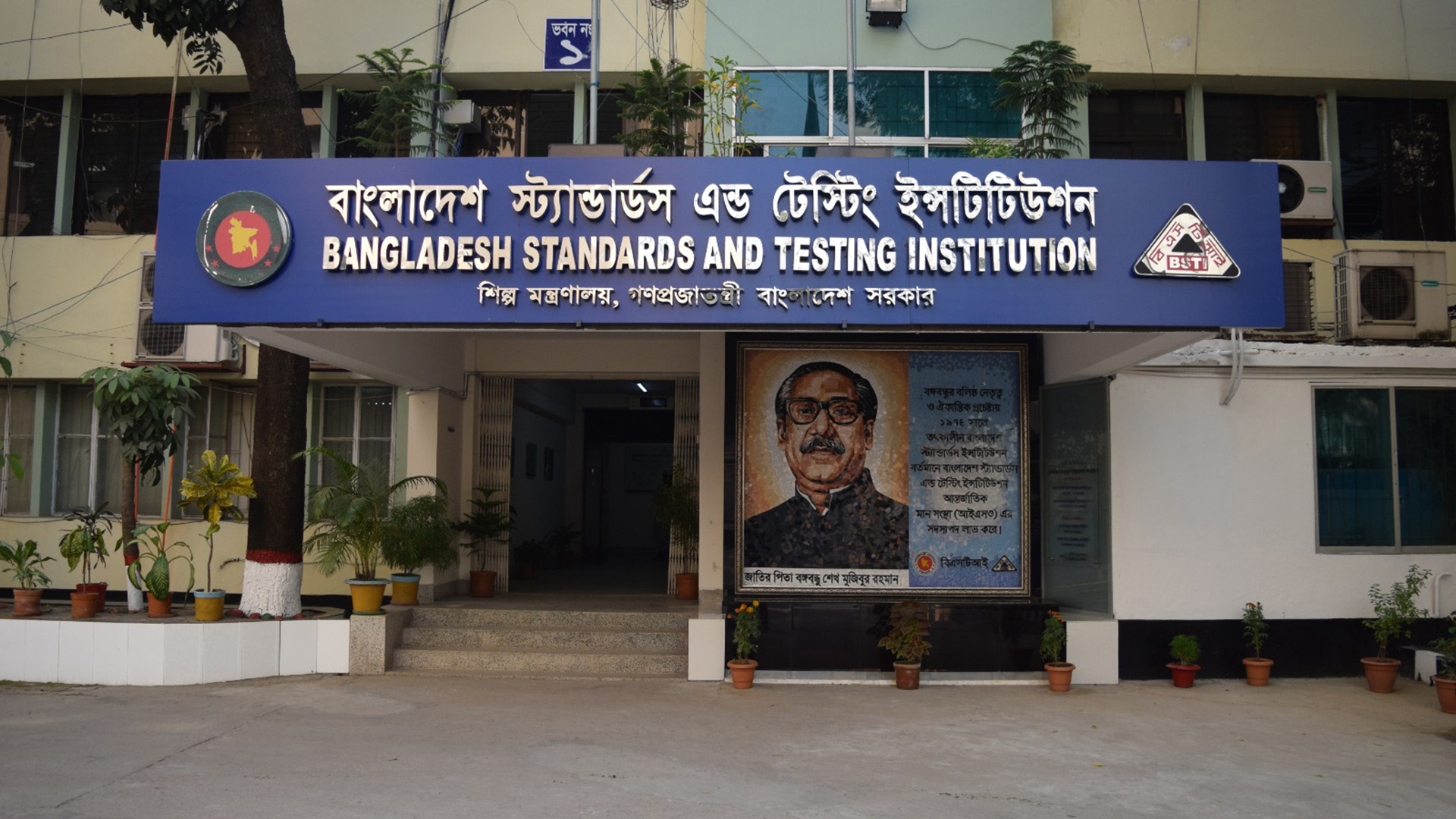
JAKARTA – Bangladesh has unveiled two cutting-edge testing facilities that mark a significant milestone in the country’s industrial development strategy, with the Bangladesh Standards and Testing Institution (BSTI) inaugurating both a National Halal Laboratory and the nation’s first advanced Helmet Testing Laboratory.
State-of-the-Art Facilities for Quality Assurance
The newly established laboratories represent a substantial investment in Bangladesh’s testing infrastructure, featuring world-class equipment designed to ensure high-quality testing and certification for domestic industries. Both facilities were officially opened by Industries Adviser Adilur Rahman Khan at the BSTI headquarters in Dhaka, signaling the government’s commitment to enhancing industrial standards and competitiveness.
Tapping into the Global Halal Market
During the inauguration ceremony, Adviser Khan emphasized the tremendous opportunity that lies ahead for Bangladesh in the global halal market. As a Muslim-majority nation, Bangladesh is uniquely positioned to capitalize on this expanding sector, with the potential to significantly increase its export capabilities in halal-certified products.
The Industries Adviser expressed confidence that the new halal testing facility would serve as a catalyst for local production growth while simultaneously strengthening Bangladesh’s competitive position in international markets. The laboratory’s advanced capabilities are expected to streamline the certification process for local manufacturers seeking to enter global halal supply chains.
Addressing Helmet Manufacturing Gap
The helmet testing laboratory addresses a critical gap in Bangladesh’s industrial infrastructure. Despite substantial domestic demand for protective helmets across transportation, construction, and industrial sectors, the country continues to rely heavily on imported products. Khan urged local entrepreneurs to recognize this opportunity and invest in domestic helmet manufacturing capabilities.
The new testing facility is designed to encourage the production of high-quality helmets that meet international safety standards, potentially reducing import dependency while creating employment opportunities in the manufacturing sector. This initiative aligns with broader government efforts to promote import substitution and industrial diversification.
Industry Showcase and Collaboration
To commemorate the launch, BSTI organized an exhibition featuring halal products from ten prominent local and international companies, including industry leaders such as Nestlé, Akij, and Coca-Cola Food. The exhibition served as a platform for demonstrating the potential scope and quality of halal products that could benefit from the new testing capabilities.
The event facilitated valuable interactions between government officials, industry representatives, and international companies. Khan, accompanied by ministry officials and FBCCI Administrator Hafizur Rahman, toured the exhibition stalls and engaged with exhibitors to better understand industry needs and opportunities.
Strategic Policy Discussions
The inauguration program concluded with a comprehensive discussion session led by Industries Secretary Md Obaidur Rahman. These deliberations focused on maximizing the potential of the new facilities while addressing industry concerns and identifying areas for further development.
The session provided a forum for stakeholders to discuss implementation strategies, regulatory frameworks, and support mechanisms needed to ensure the laboratories’ success in driving industrial growth and export expansion.
Economic Implications and Future Outlook
The establishment of these specialized testing facilities represents more than just infrastructure development; it signals Bangladesh’s strategic approach to industrial modernization and export diversification. The halal laboratory, in particular, positions the country to compete more effectively in the rapidly growing global halal market, which spans food, pharmaceuticals, cosmetics, and other consumer products.
For the helmet testing facility, the focus on domestic production capabilities could lead to significant import savings while creating a new manufacturing sector. The availability of local testing and certification services removes a major barrier for entrepreneurs considering entry into helmet manufacturing.
Building Industrial Competitiveness
These initiatives reflect Bangladesh’s broader strategy to build industrial competitiveness through improved quality assurance and certification capabilities. By providing local manufacturers with access to world-class testing facilities, the government aims to reduce reliance on overseas certification while ensuring products meet international standards.
The timing of these launches is particularly significant as Bangladesh seeks to diversify its export base beyond traditional sectors. The halal laboratory opens new avenues for food processors, pharmaceutical companies, and other manufacturers to access lucrative international markets where halal certification is increasingly important.
As both facilities begin operations, their success will likely be measured not only by the number of products tested and certified but also by their contribution to export growth, import substitution, and the overall modernization of Bangladesh’s industrial sector. The government’s investment in these advanced testing capabilities demonstrates its commitment to supporting private sector growth while positioning the country as a reliable supplier of quality products in regional and global markets.
Original article:
today.thefinancialexpress.com. (n.d.). Halal laboratory, helmet testing lab inaugurated. Retrieved July 16, 2025, from https://today.thefinancialexpress.com.bd/stock-corporate/halal-laboratory-helmet-testing-lab-inaugurated-1752514845