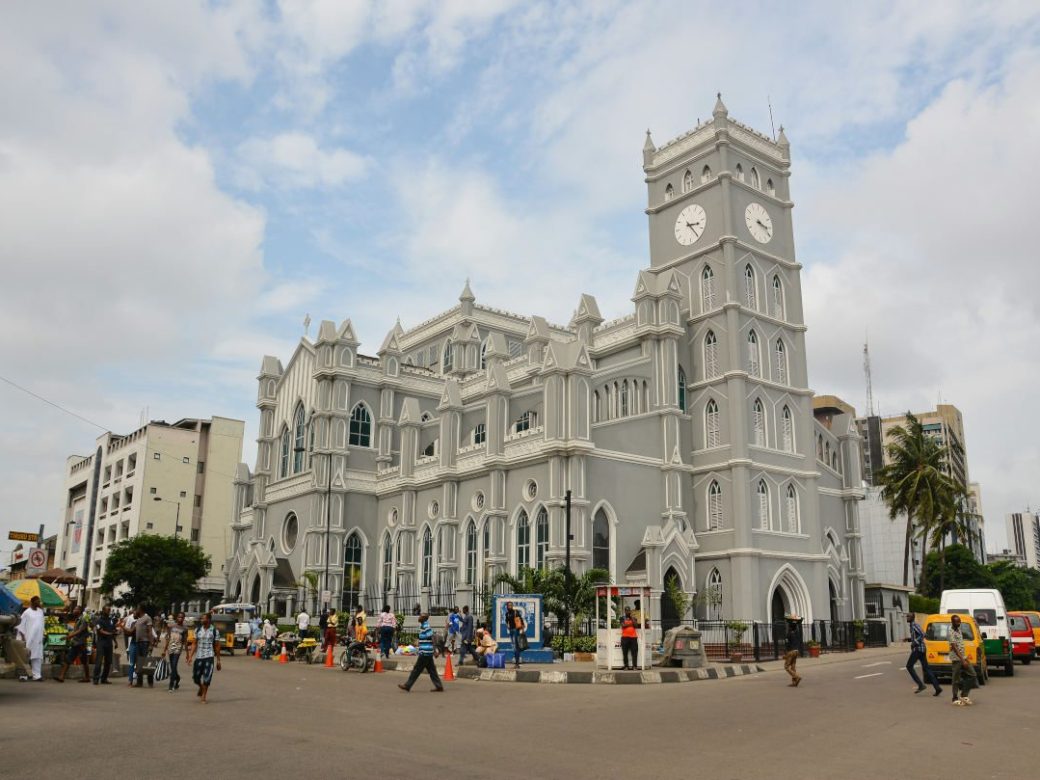
Nigeria’s Path to Becoming West Africa’s Premier Halal Tourism Hub
JAKARTA — Imagine Nigeria transformed into a thriving destination for Muslim travelers worldwide, where historic Islamic metropolises welcome international visitors, family-oriented halal resorts line pristine coastlines, and vibrant cultural festivals showcase the fusion of African rhythms and contemporary fashion. This vision is within reach as the global Muslim travel market experiences remarkable expansion, reaching approximately $230 billion in mid-2025, up from $216.9 billion in 2023, with projections indicating growth to $410.9 billion by 2032.
Nigeria, home to approximately 80 million Muslims representing nearly half its population, possesses the fundamental assets to emerge as West Africa’s leading halal tourism destination. The country’s northern Islamic heritage sites, including Kano’s legendary city walls, and natural treasures like Yankari National Park’s thermal springs, hold comparable appeal to Morocco’s historic medinas or Malaysia’s renowned halal hospitality offerings. However, infrastructural deficiencies, security challenges, and the absence of standardized halal certification systems currently prevent Nigeria from realizing this potential.
The Global Halal Tourism Phenomenon
Muslim-friendly travel, commonly termed halal tourism, serves travelers seeking experiences consistent with Islamic principles. This includes pork-free and alcohol-free dining options, accessible prayer facilities, family-centered accommodations, and frequently, gender-separated amenities. Beyond religious observance, the sector embodies an ethical framework emphasizing sustainability and inclusiveness.
The halal tourism segment represents the fastest-expanding component of the $7.7 trillion global halal economy anticipated for 2025. Even traditionally secular destinations such as Japan and Singapore have adapted their offerings, incorporating prayer rooms and halal-certified kitchen facilities to attract this economically significant demographic. Within Africa, South Africa has established itself as a leader through customized safari experiences and urban tourism packages, while Zanzibar’s certified beachfront properties consistently attract visitors seeking compliant vacation options.
Nigeria’s Compelling Natural and Cultural Assets
Nigeria’s potential attractions present extraordinary opportunities. The northern regions, rich with Islamic historical significance from the Sokoto Caliphate era through Kano’s architectural heritage, could host immersive cultural and religious tourism experiences. Yankari’s geothermal springs and wildlife viewing opportunities offer ethically-focused adventure tourism, while Lagos’s Atlantic coastline presents ideal locations for alcohol-free resort development.
The nation’s cultural strengths further amplify its appeal. Nollywood’s cinematic productions, Afrobeats’ global musical influence, and emerging halal fashion events create a distinctive combination unmatched by regional competitors in Senegal or Ghana. Nigerian tourism innovator Elizabeth Agboola identifies these elements as “faith, food, fashion, festivals, and stories”—a unique synthesis that could simultaneously elevate cultural expression and economic development.
As Africa’s most populous nation with its largest economy, Nigeria is strategically positioned as a regional gateway, particularly as intra-continental air connections expand. Recent developments such as the Halal Expo Nigeria 2025 held in August demonstrate growing momentum, highlighting the country’s expanding role within the global halal marketplace.
Confronting Current Obstacles
Despite its potential, Nigeria ranks 112th in global tourism competitiveness assessments, hampered by deteriorating road infrastructure, unreliable electrical systems, and limited halal-certified accommodation options. Security concerns remain significant, particularly in northeastern regions affected by Boko Haram activities, prompting travel advisories from governments including Canada and Australia. Tourism revenue declined to $1.5 billion in 2017, dramatically underperforming relative to the country’s capabilities.
The absence of unified halal certification standards, unlike Malaysia’s internationally recognized system, creates hesitancy among prospective visitors. Additionally, Nigeria’s destination marketing efforts remain minimal on the international stage. Agboola observes that while Dubai executes sophisticated promotional campaigns, Nigeria struggles due to insufficient policy frameworks and inadequate funding. A July 2025 research study on Nigeria’s halal industry underscores these challenges while identifying substantial growth opportunities through improved standardization and strategic investment.
Strategic Blueprint for Transformation
Addressing these challenges requires comprehensive, committed action. The foundation should be a national halal tourism strategy establishing northern heritage circuits featuring historic mosques, Qibla-oriented hotel rooms, and certified halal dining establishments. The Standards Organisation of Nigeria must develop rigorous accreditation protocols ensuring international credibility.
Substantial infrastructure investment is essential, including highway improvements, airport modernization, and development of eco-friendly resorts without alcohol service. Public-private partnership models similar to those employed successfully in South Africa can mobilize necessary financing. Marketing initiatives such as a “Nigeria Halal Culture Week” showcasing culinary experiences, fashion presentations, and musical performances could attract stakeholders from Organisation of Islamic Cooperation member states.
Digital marketing strategies should include partnerships with platforms like HalalBooking to deliver targeted promotional content highlighting historical tours and coastal getaways. Staff training programs must emphasize cultural sensitivity, appropriate greetings, and sustainable operational practices. Security enhancements, including protected tourism zones similar to Jordan’s approach, are crucial for overcoming negative perceptions.
Nigeria’s participation in the September 2025 Malaysia International Halal Showcase (MIHAS), where a 21-member delegation led West African representation and generated millions in potential cross-sector transactions including tourism, signals emerging momentum. Adopting successful elements from Malaysia’s certification systems and promotional strategies, or Zanzibar’s beachfront sanctuary model, could yield substantial returns. The forthcoming International Conference on Halal Tourism and Islamic Tourism scheduled for October 25, 2025, in Abuja provides an important platform for advancing these objectives.
Integrating Sustainability and Innovation
Environmental sustainability must be integrated throughout all development initiatives, reflecting halal principles of responsible stewardship. This includes solar-powered lodging facilities and community-managed safari operations. Agboola advocates for Nigeria to transition “from the sidelines to centerstage” through strategic partnerships with OIC member nations, deployment of mobile applications providing real-time halal service directories, and cultivation of domestic tourism to build foundational demand.
The potential benefits are substantial: significant GDP contributions from increased visitor arrivals, strengthened cultural connections, and a transformed international narrative from perceived risk to recognized opportunity. Vice President Kashim Shettima envisions Nigeria capturing significant market share within the $7.7 trillion global halal economy by year’s end, with tourism serving as a primary driver.
Current 2025 trends emphasize wellness retreats and cultural immersion experiences within halal travel—areas where Nigeria’s northern spa facilities and festival calendar could excel. For travelers, this translates to expanded options including guided Islamic heritage tours with wellness components, or family-oriented beach packages combining relaxation with ethical tourism principles. Policymakers can prioritize incentive structures for halal-certified developments, while investors recognize substantial untapped market potential.
Realizing the Vision
Nigeria represents not merely West Africa’s dormant giant in halal tourism but rather an awakening force poised for significant impact. Through deliberate policy development, strategic investment, and creative implementation—strengthened by recent advances including MIHAS participation and the upcoming Abuja conference—the nation can attract Muslim travelers globally, integrating its rich tapestry of faith and cultural vibrancy into the international tourism landscape.
The global travel market continuously seeks authentic, meaningful experiences. For Nigeria, the question is not whether this opportunity exists, but how rapidly the nation will mobilize to capitalize on this transformative moment and reshape its position on the world stage. With its unparalleled combination of Islamic heritage, natural beauty, and cultural dynamism, Nigeria possesses every necessary element to become the definitive halal tourism destination in West Africa and a significant competitor in the global market.
The pathway forward requires coordinated effort from government agencies, private sector partners, and local communities. Success depends on maintaining commitment to quality standards, authentic hospitality, and the ethical principles that define halal tourism. As Nigeria takes these decisive steps, it invites the world to discover a destination where tradition meets innovation, where natural wonders complement urban sophistication, and where Muslim travelers find not just accommodation, but genuine welcome and understanding.
Original Article:
Halal Times. (2025, October 6). How Can Nigeria Become a Top Muslim-Travel Destination? Retrieved from https://www.halaltimes.com/how-can-nigeria-become-a-top-muslim-travel-destination/