Malaysia’s Islamic Soft Power: Strengthening Its Global Standing in Halal Branding & Governance
| By Fulcrum
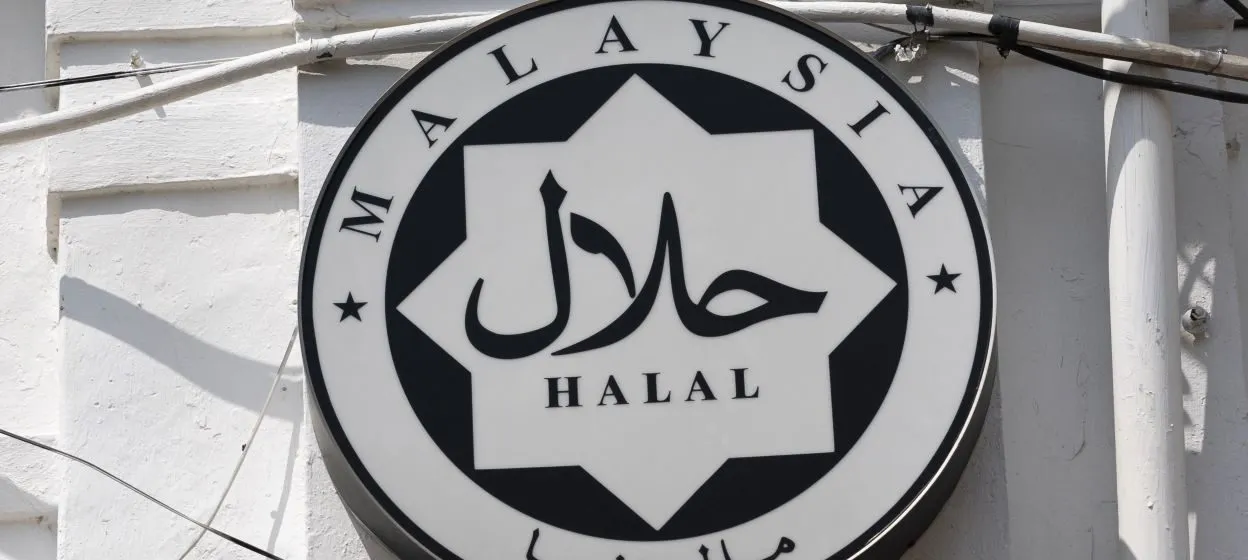
Malaysia is emerging as a global frontrunner in halal governance, successfully transforming halal from a religious framework into a strategic soft power tool. Supported by influential institutions such as JAKIM and the Halal Industry Development Corporation (HDC), halal certification has evolved into a symbol of trust, identity, and economic capability—spanning food, pharmaceuticals, logistics, finance, tourism, and cosmetics.
Halal as a Strategic Economic & Cultural Asset
Halal has shifted from a dietary requirement into a powerful bridge between cultural identity and economic development. The global halal food market worth US$1,978 billion in 2021 and projected to double by 2027, illustrates how deeply halal is tied to global trade and Muslim consumer behaviour.
Malaysia’s halal policy remains firm even under international pressure, underscoring how essential halal is to national identity and economic planning. Research further highlights rapid growth across non-food halal sectors, including health, beauty, and Muslim-friendly tourism.
Through its halal diplomacy approach, Malaysia uses certification credibility to build international alliances, opening access to foreign markets while reinforcing Islamic shared identity.
Halal as Malaysia’s Soft Power Engine
Malaysia’s halal governance reflects the idea of Islam as statecraft using religion as a diplomatic resource. Through certification leadership, Malaysia positions itself as an authority in defining what constitutes reliable halal standards.
Mutual Recognition Agreements (MRAs) further extend this influence, turning certification into a trade instrument and a diplomatic tool that elevates Malaysia’s international presence.
Mahathir Mohamad: Laying the Foundation for Halal Influence
Under Mahathir Mohamad, halal governance moved beyond religious compliance into state-led development. His Vision 2020 embedded Islam into national identity and economic modernisation, expanding halal into a structured certification system supported by JAKIM in 1997.
JAKIM’s authority solidified Malaysia’s leadership, making halal certification an international benchmark and elevating Malaysian identity abroad.
Abdullah Ahmad Badawi: Strengthening Halal Institutional Power
Abdullah Badawi advanced Mahathir’s foundations by connecting halal to global market expansion. His government launched HDC in 2006 to professionalise halal industry development, boosting exports and investment.
The Halal Industry Master Plan (HIMP) cemented halal as part of Malaysia’s long-term industrial agenda. International forums, trade missions, and global outreach positioned Malaysia as a halal hub with global influence.
Malaysia Today: Halal Success, Global Recognition, Public Scrutiny
Malaysia currently operates one of the world’s most advanced halal ecosystems. JAKIM’s certification is recognised in 47 countries, and Malaysia has held first place in the Global Islamic Economic Index for 11 consecutive years.
Yet challenges exist. Domestic controversies, such as the “ham sandwich” halal labelling, dispute highlight tension over transparency, public trust, and bureaucratic complexity.
Rising Competition from Indonesia & Global Halal Players
Malaysia’s leading position is now challenged by rapidly advancing halal systems in Indonesia, Thailand, the Middle East, Japan, and non-Muslim-majority Western exporters.
Indonesia’s reforms and demographic scale give it strong potential to reshape halal leadership. Meanwhile, Saudi Arabia, UAE, Qatar, and Thailand are developing their own certification ecosystems, leading to fragmentation in global halal standards and increasing competition.
Western nations, especially Brazil and Australia, dominate halal meat exports, proving halal production is no longer limited to Muslim-majority countries.
Technology, Governance, & Regional Integration: Malaysia’s Next Advantage
Malaysia’s future halal leadership will depend on innovation in traceability and regulation. Blockchain-based halal verification offers one solution to combat certification fraud and expand consumer confidence.
Greater ASEAN cooperation could also harmonise regional halal standards, strengthening Malaysia’s role as standard-setter.
Future Outlook: Sustainability, Ethics & Halal Diplomacy
Malaysia’s next stage of halal diplomacy is expected to integrate ethical production, environmental stewardship, labour rights, and animal welfare, expanding halal beyond religious compliance into global value-based leadership.
Malaysia’s partnerships with Japan, Senegal, and other regions exemplify how halal deepens diplomatic ties while driving trade and investment.
With plans for a Malaysian Halal Commission and new industrial parks, halal exports are projected to reach RM80 billion, reinforcing halal as a powerful tool of cultural confidence, diplomacy, and economic strategy.
Prime Minister Anwar Ibrahim summed up Malaysia’s global role:
“Halal is more than a logo—it is a global symbol of trust.”
Original Article:
Shukri, S. (2025). Islamic soft power: Malaysia well-positioned to consolidate its global leadership on halal branding and governance. Fulcrum.sg. https://fulcrum.sg/islamic-soft-power-malaysia-well-positioned-to-consolidate-its-global-leadership-on-halal-branding-and-governance/