The Responsibility of Faith in Islam
In Islam, a person is considered a Muslim when they consciously declare the shahada, the testimony of faith stating that there is no god but Allah and that Prophet Muhammad is His messenger. The shahada serves as the entry point into Islam and forms the foundation of a Muslim’s religious identity. In contemporary society, it is not uncommon for someone to embrace Islam because they wish to marry a Muslim partner. In many Muslim communities, this has indeed become one of the pathways through which individuals begin learning about and eventually accepting Islam.
However, a common question arises: what if someone pronounces the shahada for the purpose of marriage but afterward does not perform acts of worship such as daily prayers or other religious obligations? According to the majority of Islamic scholars, a person who has declared the shahada is still considered a Muslim in a legal and outward sense as long as they do not openly deny the fundamental teachings of Islam. If they neglect prayer or other obligations due to negligence, lack of understanding, or personal weakness, this is regarded as a sin or a shortcoming in religious practice. Nevertheless, it does not automatically remove them from Islam as long as they still acknowledge that these obligations are part of the faith. Classical Islamic jurisprudence explains that the declaration of faith establishes one’s formal membership in the Muslim community, while the fulfillment of religious duties represents the practical manifestation of that faith.
Within Islamic tradition there is also the concept of munafiq (hypocrite), which refers to someone who outwardly claims to believe but inwardly rejects faith. However, this concept concerns the condition of a person’s heart, something that cannot be known with certainty by other human beings. For this reason, Islamic teachings advise believers not to hastily judge the faith of others, because only God truly knows what is in people’s hearts. The Qur’an reminds believers not to ridicule or hold negative suspicions toward one another:
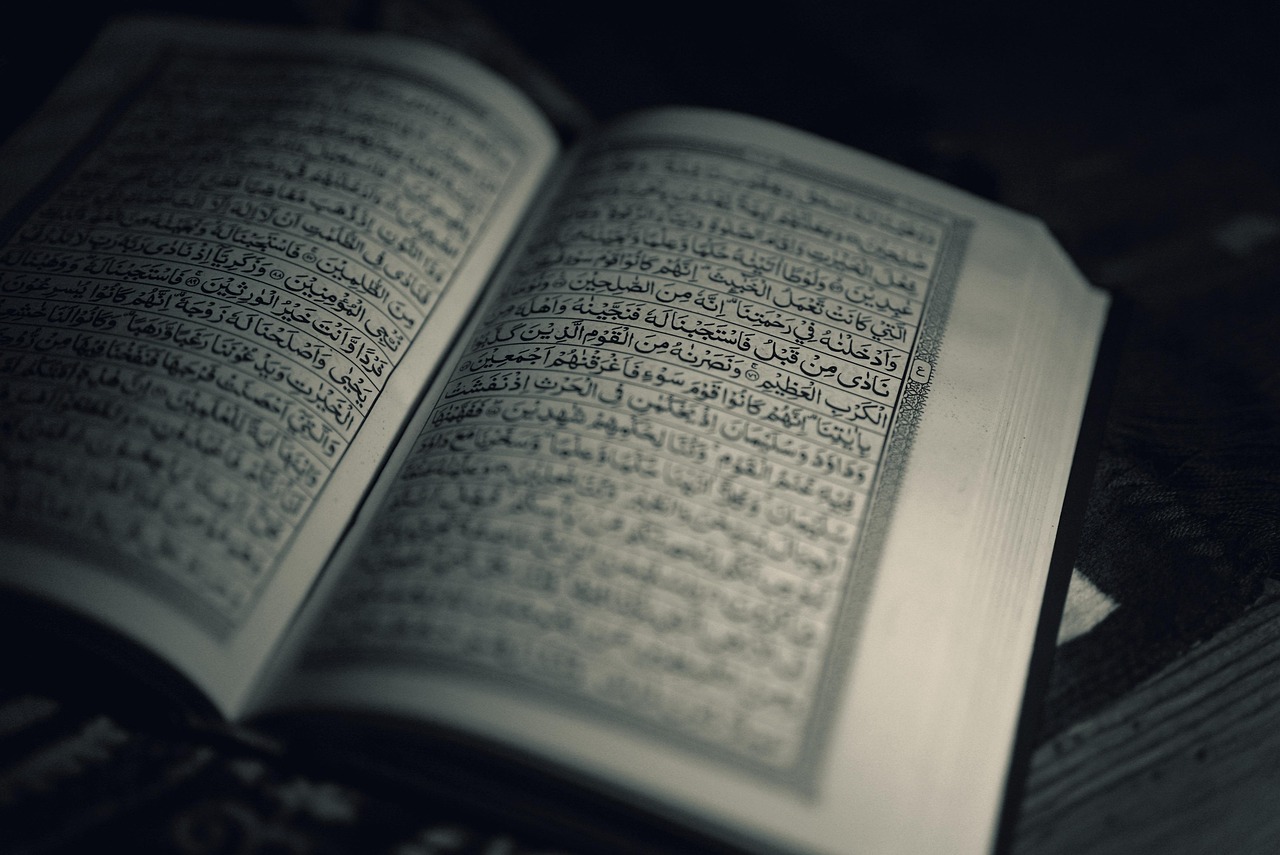
“O you who believe, let not one group ridicule another group; perhaps they may be better than them… and do not spy or backbite each other.” (Qur’an 49:11–12)
Modern studies on Muslim religious practice also show that a person’s level of commitment to religious duties can be influenced by many factors, including religious knowledge, social environment, family background, and personal spiritual development. Because of these influences, individuals who identify as Muslim may demonstrate different levels of religious observance, and such differences do not necessarily mean that they reject the religion itself.
In Islamic outreach and teaching (da‘wah), the recommended approach is not to judge or compel others, but to provide explanation, education, and support so that individuals can understand the teachings of Islam more deeply. The Qur’an itself states that “there is no compulsion in religion” (Qur’an 2:256), emphasizing that faith should arise from awareness and understanding rather than pressure or coercion.
Therefore, when someone embraces Islam, including in the context of marriage, the process of understanding and practicing the religion often develops gradually. From the Islamic perspective, what matters most is sincerity of intention, the willingness to learn, and the effort to draw closer to God. Mutual respect and a wise, compassionate approach are essential in addressing situations like this.
| Written by Naflah Azizah Wibowo
References
Esposito, J. L. (2011). What everyone needs to know about Islam (2nd ed.). Oxford University Press.
Hamid, S. (2014). Temptations of power: Islamists and illiberal democracy in a new Middle East. Oxford University Press.
Pew Research Center. (2017). The changing global religious landscape. Pew Research Center.