Southeast Asia’s Muslim Market
Economic Growth and Young Demographics
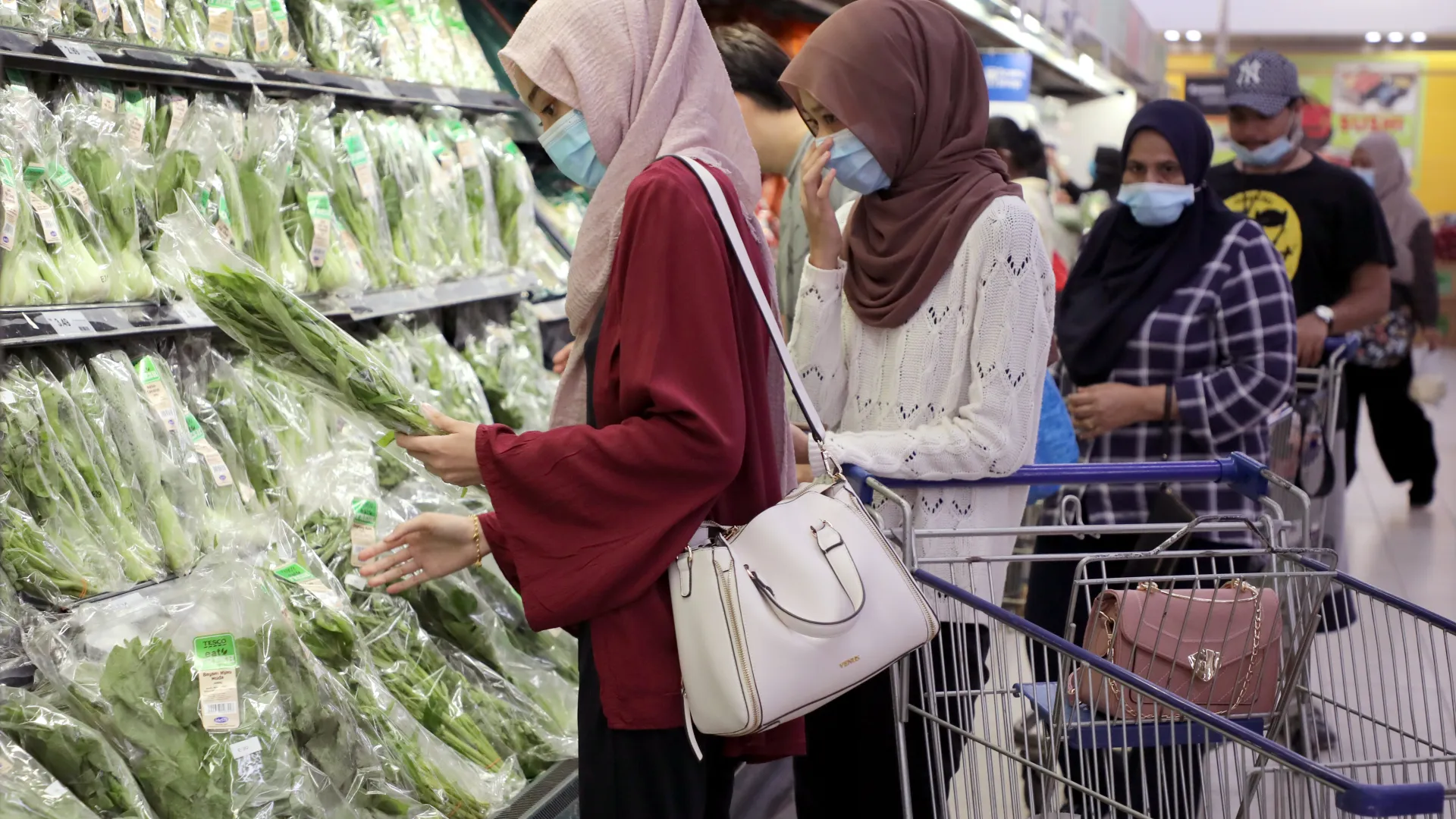
Southeast Asia is on the brink of a consumer boom, driven by rising incomes and increased foreign investment. The region’s median age is around 30.4 years, making it younger than the U.S., Europe, or China. This youthful population is becoming increasingly affluent, with about 40%—approximately 281 million people—identifying as Muslim.
The Rise of the Muslim Consumer
The Muslim population in Southeast Asia is significant, especially in Malaysia (64% Muslim) and Indonesia (the world’s largest Muslim population at 242 million). As the middle class expands, there’s a growing demand for an “Islamic” lifestyle, leading to increased interest in halal products—those permissible under Islamic law.
Halal Market Boom
The global Muslim consumer market spent $2.29 trillion on halal products in 2022, a 41% increase from 2012. This figure is expected to reach $3.1 trillion by 2027, making it a crucial market for businesses worldwide. The demand for halal cosmetics, modest fashion, and tourism packages is on the rise, with brands like Wardah leading the way in halal beauty products.
Success Stories: Wardah and Buttonscarves
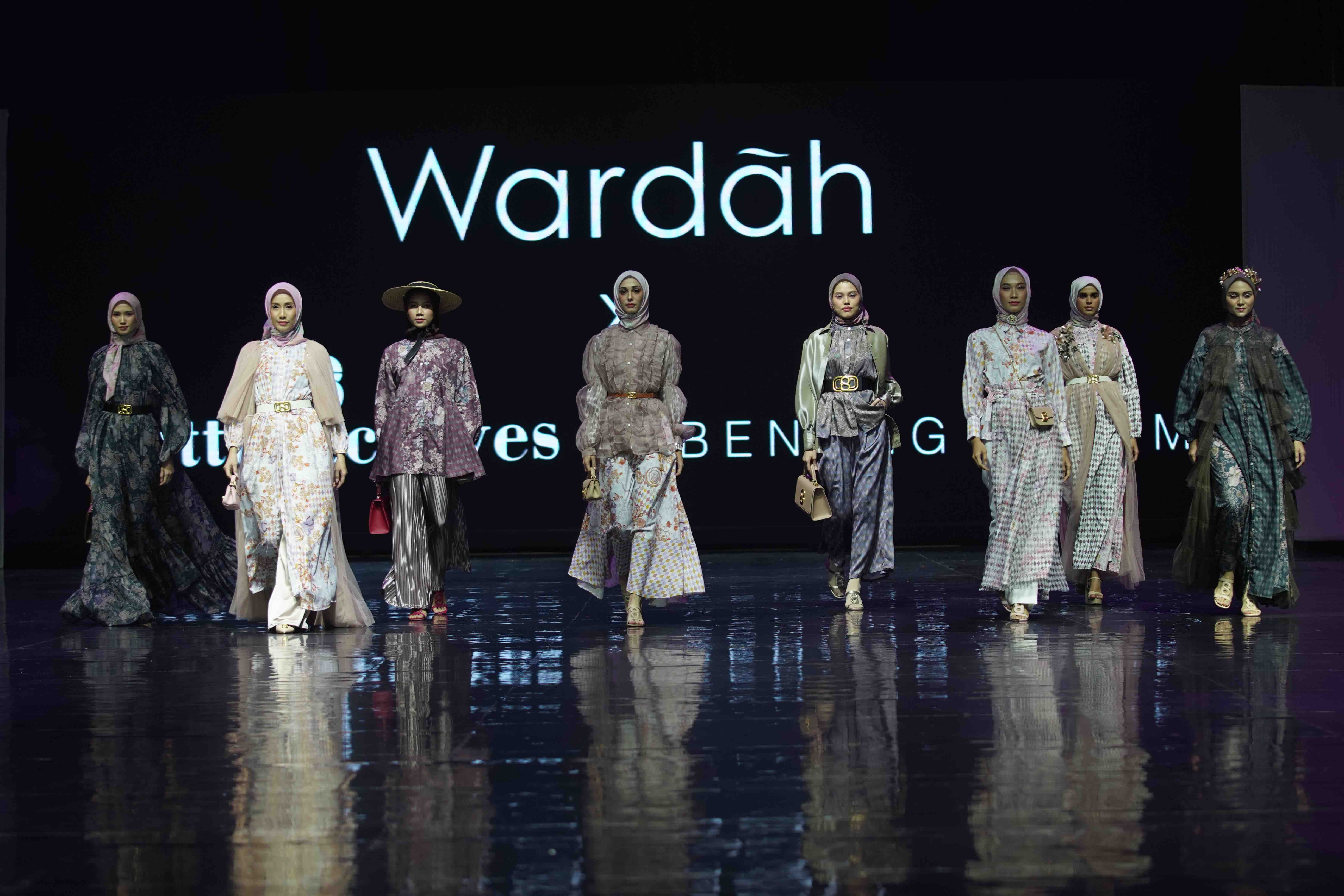 (Photo: Parapuan)
Wardah, an Indonesian cosmetics brand, has thrived by offering halal-certified products. Founded in 1995, it gained traction around 2005, now holding about 30% of Indonesia’s beauty market. Similarly, Buttonscarves, a modest fashion brand, has expanded rapidly since its 2016 launch, catering to contemporary Muslim women with stylish and high-quality products.
Technology and Government Support
Technological advancements and government initiatives are also fueling the growth of the Muslim consumer market. Smartphones and social media have made it easier for Muslim entrepreneurs to promote halal products. Additionally, governments in Indonesia and Malaysia are implementing policies to support the halal economy, such as requiring halal certification for cosmetics.
Islamic Finance Growth
Islamic finance is booming in Southeast Asia, particularly in Malaysia, where it has been promoted as an alternative to conventional banking. Islamic banks avoid interest and invest only in sharia-compliant businesses. Maybank, Malaysia’s largest bank, is expanding its Islamic finance operations, reflecting the growing wealth of the Muslim population.
Multinational Engagement
Many global brands are recognizing the importance of the Muslim market. Companies like McDonald’s and KFC offer halal options, while beauty brands like L’Oréal are introducing halal cosmetics. The recent geopolitical climate has also shown that Muslim consumers can influence market dynamics through boycotts, highlighting the importance of authenticity in catering to this demographic.
A Lifestyle Shift
As Muslim consumers become more affluent, they seek quality and style in their purchases. Brands like Buttonscarves aim to provide fashionable options that resonate with both Muslim and non-Muslim consumers. The concept of halal is evolving, with increasing recognition of its association with sustainability and responsible production.
Future of Halal
Experts believe that halal products will gain mainstream acceptance beyond Islamic communities. As awareness grows, halal could become a global lifestyle choice, similar to the Japanese concept of ikigai, appealing to a broader audience while maintaining its cultural significance.
Original Article:
Fortune. (2025, April 19). Muslim consumers in Malaysia and Indonesia are reshaping halal shopping. Fortune. https://fortune.com/asia/2025/04/19/muslim-consumers-malaysia-indonesia-halal-shopping/