Global Halal Food Market: Unprecedented Growth Ahead
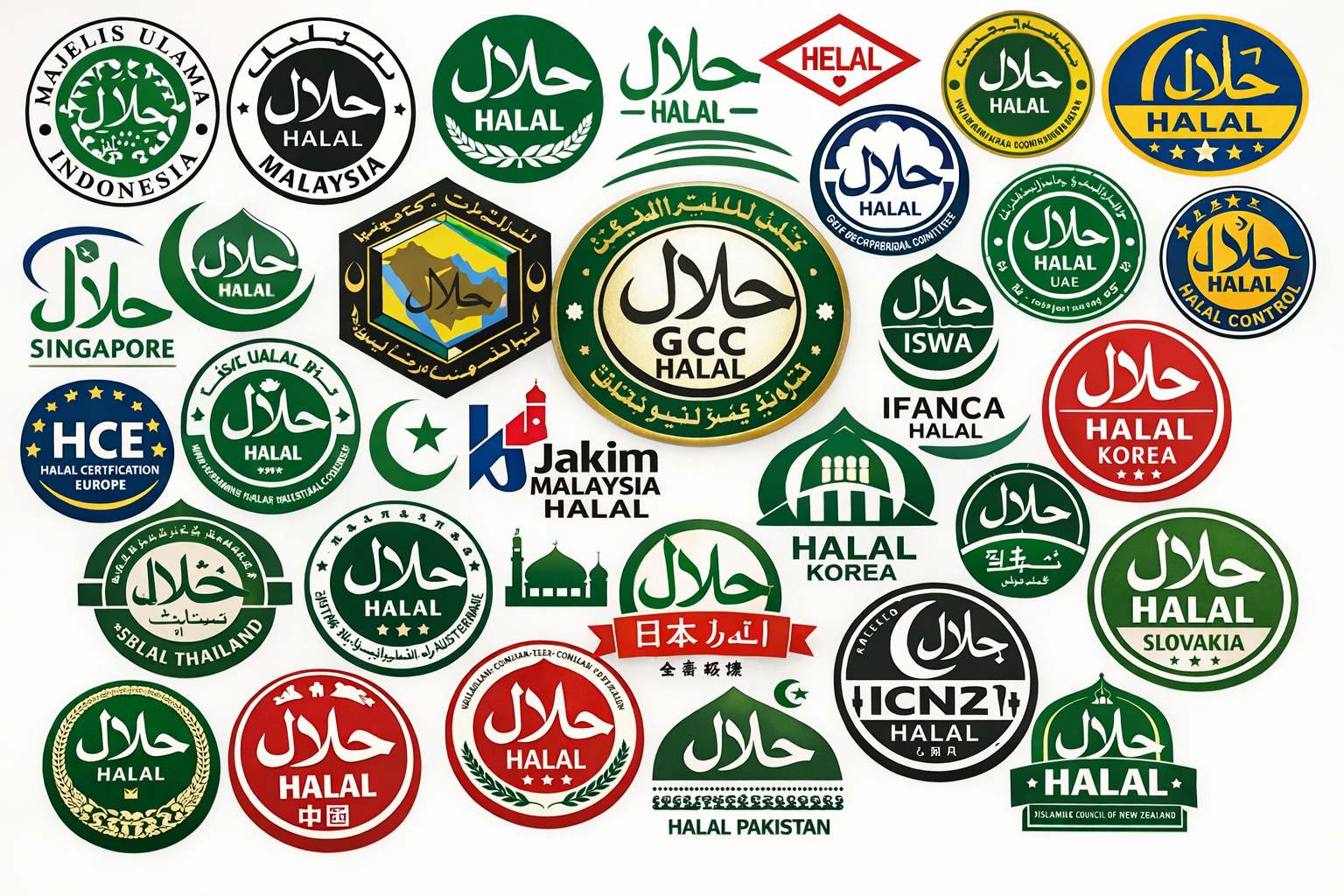
The worldwide halal food industry is experiencing remarkable expansion, with projections showing it will more than double from $1.5 trillion in 2025 to $3.8 trillion by 2035. This represents an impressive annual growth rate of 9.7%, driven not only by the expanding Muslim population but also by increasing global interest in transparent, hygienic, and ethically produced food products.
Halal certification has evolved beyond its traditional religious context to become a widely recognized symbol of quality and safety, attracting health-conscious consumers regardless of their religious background. This shift reflects broader consumer trends toward clean-label products, ethical sourcing, and food transparency.
Key Market Developments
Foodservice Integration
Restaurant chains and quick-service establishments in Western countries including the United States, United Kingdom, and Japan are incorporating halal menu options to cater to diverse urban populations and multicultural demographics.
Product Innovation
Manufacturers are responding to changing dietary preferences by developing halal-certified alternatives including plant-based options, organic products, and allergen-free food lines, expanding the market’s appeal to health-conscious consumers.
Government Support
Countries like South Korea and Japan are actively facilitating halal trade through infrastructure development and alignment with international certification standards, recognizing the economic potential of this growing market.
Market Composition and Drivers
Product Categories
Meat, poultry, and seafood products continue to dominate the market, accounting for 48.6% of total market share in 2025. The food and beverage sector leads application categories with a commanding 71.2% market share.
Growth Factors
The market’s expansion is fueled by several interconnected factors: the growing global Muslim population, increased focus on health and wellness, rising urbanization and disposable income in emerging economies, and broader cultural inclusion efforts that have brought halal products into mainstream retail channels.
Regional Performance Analysis
Asia Pacific Leadership
The Asia Pacific region leads market expansion, with South Korea showing exceptional performance at a 9.7% growth rate, driven by both export opportunities and domestic demand. Japan follows closely, benefiting from increased Muslim tourism and growing exports of halal snacks and condiments.
European Growth
The European Union demonstrates strong market development with a 9.3% growth rate, particularly in France, Germany, and the Netherlands, where demand comes from both Muslim and non-Muslim consumers seeking ethically produced food options.
Western Market Development
The United States and United Kingdom are experiencing robust growth rates of 8.9% and 9.0% respectively, as multicultural populations influence both product availability and foodservice offerings in these markets.
Competitive Landscape
Market Dynamics
The halal food sector is becoming increasingly competitive as both local and international producers pursue halal certification and product innovation. Strategic partnerships with global halal certifying agencies are becoming crucial for ensuring product traceability and building consumer trust.
Industry Players
Major companies operating in this space include established food giants like Tyson Foods (through its Halal Division) and Unilever (with select halal-specific products), alongside specialized companies such as Marhaba Halal Foods, Saffron Road Foods, and Kawan Food Berhad.
Retail Integration
Large retail chains are expanding their halal product offerings, while niche and private-label brands are emerging with value-added propositions including organic and plant-based halal alternatives.
Market Segmentation Overview
Product Categories
The market encompasses diverse product types ranging from traditional meat, poultry, and seafood to dairy products, fruits and vegetables, grains and cereals, beverages, and specialty items like fats, oils, and waxes.
Applications
Beyond traditional food and beverages, the halal market extends into nutraceuticals, dietary supplements, infant formula, and even animal feed industries, demonstrating its broad applicability across various sectors.
Geographic Reach
The market spans all major global regions including North America, Latin America, Europe, East Asia, South Asia, Oceania, and the Middle East & Africa, reflecting its truly international scope and appeal.
Original Article:
OpenPR. (2025, July 21). Global halal food market set to more than double by 2035 reaching. https://www.openpr.com/news/4111279/global-halal-food-market-set-to-more-than-double-by-2035-reaching