The Strategic Alliance: How Malaysia and Turkey Are Reshaping the Global Halal Economy
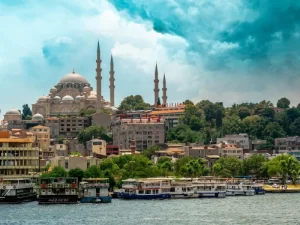
Source: Halal Times
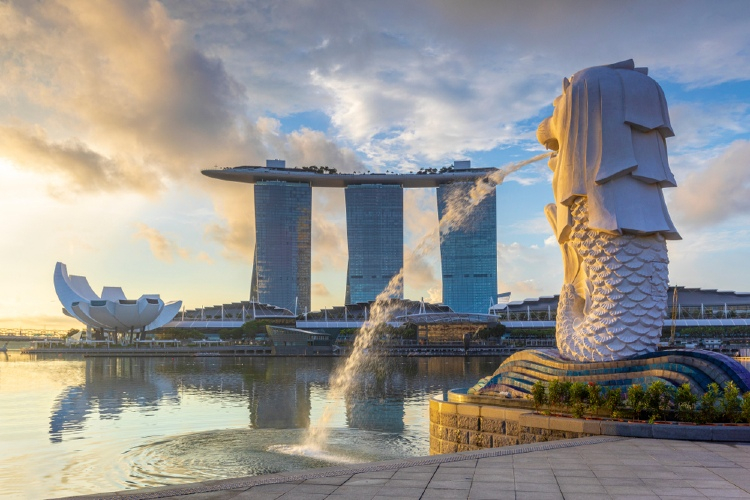
JAKARTA – The global halal industry stands at a pivotal moment, with two nations emerging as the driving forces behind its transformation. Malaysia and Turkey have forged a powerful alliance that promises to revolutionize how halal products are certified, traded, and consumed worldwide. This strategic partnership represents more than just economic cooperation—it embodies a vision for sustainable, ethical commerce that could redefine international trade standards.
The $5 Trillion Opportunity
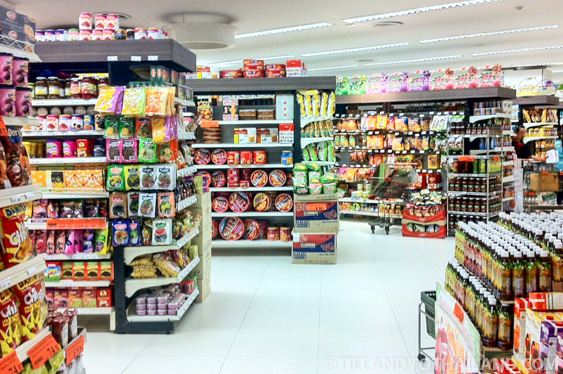
The halal market represents one of the most dynamic sectors in the global economy, spanning food production, cosmetics, pharmaceuticals, financial services, and tourism. With projections indicating the market will reach $5 trillion by 2030, the stakes have never been higher. This growth is fueled by a global Muslim population of 2 billion, with nearly one-third falling within the 15-29 age bracket—a demographic known for its purchasing power and brand consciousness.
Malaysia has established itself as the gold standard in halal certification through the rigorous oversight of JAKIM (Department of Islamic Development Malaysia). The nation’s comprehensive approach covers everything from food safety to pharmaceutical compliance, creating an ecosystem that generated $12.89 billion in halal exports during 2024. The ambitious Halal Industry Master Plan (HIMP) 2030 projects these figures will climb to $15.19 billion, representing nearly 11% of Malaysia’s GDP while creating over 700,000 employment opportunities.
Turkey brings complementary strengths to this partnership, leveraging its $150 billion domestic halal market and strategic geographic position linking Europe, Asia, and the Middle East. The country’s halal food sector alone commands $100 billion annually, supported by expanding cosmetics and pharmaceutical divisions. Through the Malaysia-Turkey Free Trade Agreement established in 2015, bilateral halal trade reached $1.2 billion in 2024—a 15% year-over-year increase that demonstrates the partnership’s momentum.
Standardization as the Foundation
The cornerstone of this collaboration lies in harmonizing certification standards across both nations. Malaysia’s JAKIM has cultivated relationships with over 80 foreign certification bodies spanning 45 countries, making its halal certification a globally trusted benchmark. Turkey’s Halal Accreditation Agency (HAK) is working closely with Malaysian counterparts to align their standards, ensuring products certified in either country gain seamless access to international markets.
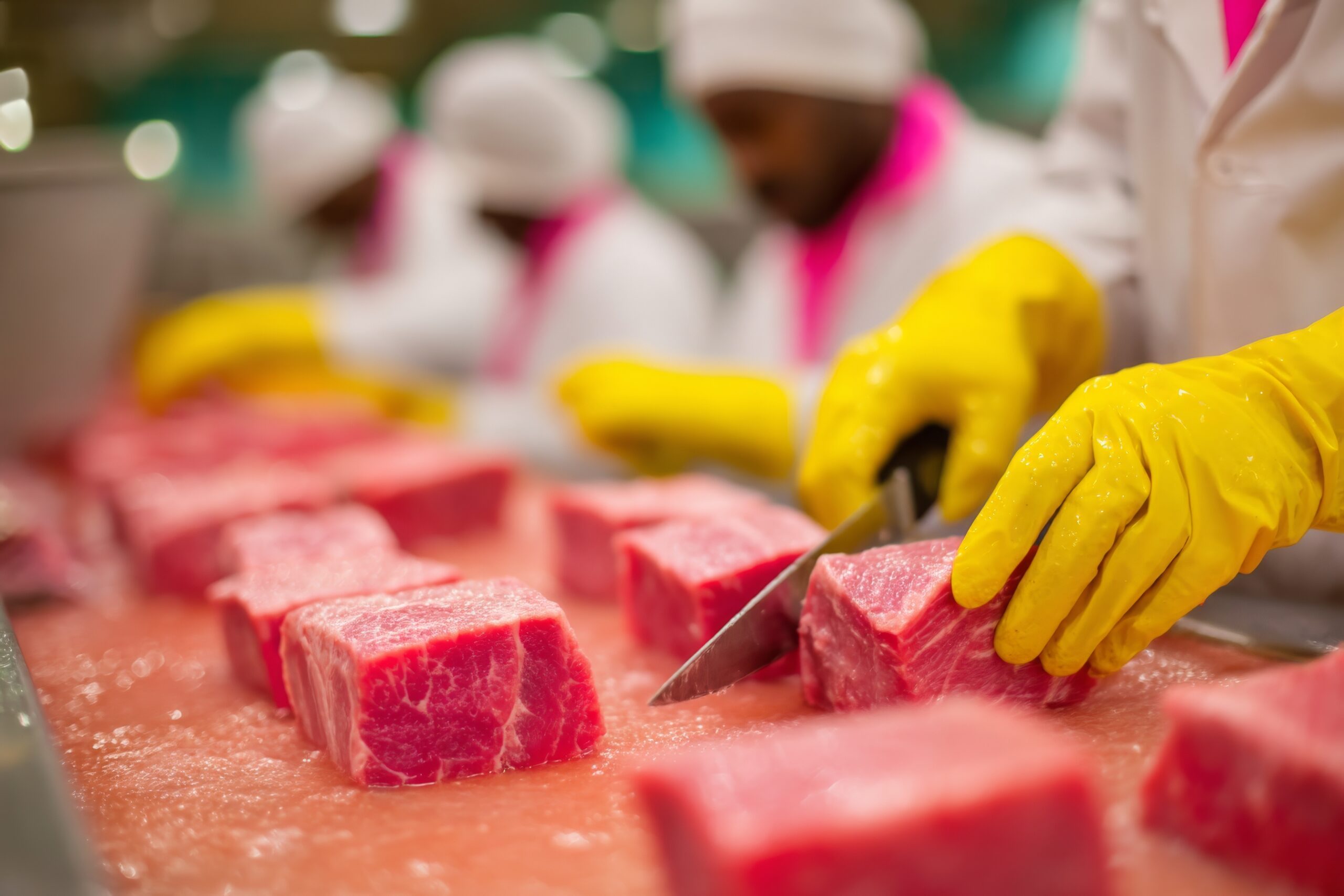
This standardization effort addresses a critical gap in the global halal supply chain, where demand exceeds production capacity by approximately 80%. Malaysia’s technological innovations, including advanced detection systems for non-halal substances and fuzzy logic barcode scanning, complement Turkey’s expertise in food processing and logistics management.
The upcoming Malaysia International Halal Showcase (MIHAS) 2025, scheduled for September 17-20 in Kuala Lumpur, exemplifies this collaborative approach. Turkish buyers participating in the International Sourcing Programme generated $2.52 billion in potential sourcing value in 2024, demonstrating the concrete business opportunities created by this partnership.
Innovation Through Collaboration
Research and development initiatives represent another vital dimension of the Malaysia-Turkey alliance. Malaysian institutions like the International Islamic University Malaysia (IIUM) and Universiti Putra Malaysia have pioneered breakthrough technologies, including plant-based halal gelatin and intelligent packaging systems that detect contamination in real-time.
Turkey’s investment in halal-compliant biotechnology creates opportunities for knowledge exchange and joint innovation projects. Both nations are sharing expertise to develop premium products that meet evolving consumer expectations for quality, sustainability, and ethical production methods.
The Tourism Connection
Halal tourism, valued at $260 billion in 2023 with projected 5% annual growth through 2032, represents another significant collaboration area. Malaysia’s decade-long leadership in the Global Muslim Travel Index (GMTI) stems from its comprehensive infrastructure, including Muslim-friendly accommodations, extensive halal dining options (scoring 95 on the GMTI), and accessible prayer facilities in public spaces.
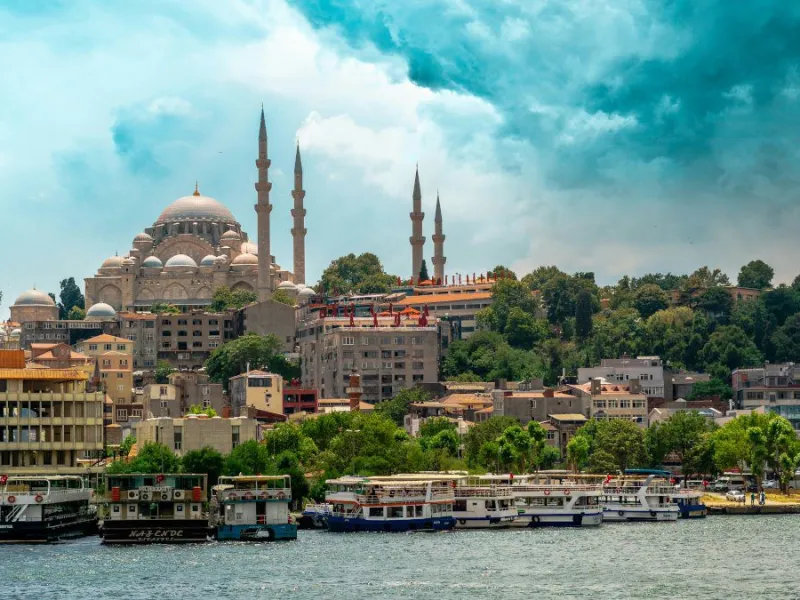
Turkey ranks third among non-Islamic destinations in the 2025 GMTI, with cities like Istanbul and Antalya developing specialized offerings for Muslim travelers. Cross-tourism between the two nations reached over 100,000 visitors in each direction during 2024, supported by joint marketing initiatives and cultural exchange programs.
Both countries are developing unified halal tourism frameworks to ensure consistent service standards across borders. Malaysia’s Islamic Tourism Centre (ITC) collaborates with Turkish organizations to promote architectural tourism, highlighting landmarks such as Istanbul’s Blue Mosque alongside Malaysia’s Putra Mosque in Putrajaya.
Broader Economic and Social Impact
This partnership extends beyond commercial interests to embrace broader principles of ethical consumption and sustainability. Malaysia’s HIMP 2030 incorporates the Malaysia MADANI (SCRIPT) concept, integrating values like compassion and inclusivity throughout the halal ecosystem. This philosophical approach aligns with Turkey’s emphasis on hygienic and sustainable production methods, appealing to both Muslim and non-Muslim consumers seeking ethical alternatives.
Small and medium-sized enterprises (SMEs) represent a crucial beneficiary of this collaboration. In Malaysia, SMEs comprise 40.8% of halal-certified businesses, though they face ongoing challenges related to compliance documentation and hygiene standards. Joint training programs with Turkey aim to address these issues while enhancing SME capacity to meet international requirements.
Turkish SMEs in food and cosmetics sectors are leveraging Malaysian certification expertise to access new markets across Southeast Asia and the Middle East, creating a virtuous cycle of growth and knowledge transfer.
Addressing Current Challenges
Despite significant progress, both nations face ongoing challenges that require continued attention. Malaysia confronts bureaucratic complexities and varying levels of halal awareness among some SMEs, while Turkey navigates the intricacies of aligning its certification processes with global standards.
Both countries are addressing these issues through digitalization initiatives and capacity-building programs. Malaysia’s MYeHALAL platform, launched in 2025, streamlines certification processes through digital solutions. Turkey is simultaneously investing in digital supply chain technologies to ensure halal integrity from production through final delivery.
Regional Leadership and Global Impact
The Malaysia-Turkey partnership serves as a template for broader regional cooperation. Malaysia’s leadership within ASEAN, where it champions halal trade priorities, complements Turkey’s influential role in the Organization of Islamic Cooperation (OIC). Joint initiatives, including the ASEAN Halal Council co-led with Indonesia, draw inspiration from this bilateral success story while working toward a cohesive regional halal marketplace.
Looking Forward
As Malaysia and Turkey continue strengthening their halal industry alliance, their partnership is positioned to establish new global benchmarks for halal trade and tourism. By combining Malaysia’s certification excellence with Turkey’s market access and strategic location, both nations are addressing growing halal product demand while fostering innovation and ethical consumption practices.
Upcoming events like MIHAS 2025 and ongoing government-to-government dialogues will further cement this alliance, establishing Malaysia and Turkey as the twin pillars supporting the global halal economy’s continued expansion.
For Muslim consumers worldwide, this partnership provides enhanced assurance of product quality and integrity. For the broader global marketplace, it signals a new era of international cooperation where traditional values merge with cutting-edge technology to create a more inclusive and sustainable economic future.
The success of this alliance demonstrates that strategic partnerships built on shared values and complementary strengths can drive meaningful change in global markets, setting a precedent for other nations seeking to participate in the rapidly expanding halal economy.
Original article:
halaltimes.com. (n.d.).Malaysia and Türkiye Unite to Lead the Global Halal Revolution. Retrieved July 23, 2025, from https://www.halaltimes.com/malaysia-and-turkiye-unite-to-lead-the-global-halal-revolution/